
Most people are more afraid of detox than they need to be, mostly because they picture it happening alone. Inpatient detox is the opposite of that: a few days in a medical unit where nurses check on you around the clock, a physician adjusts medication to how you actually feel, and the worst of withdrawal is prevented rather than endured. This guide walks through the whole experience, from the phone call to the day you step into treatment, so there are no surprises. If you want to start, verify your insurance or call our admissions team any time.
Why Inpatient Detox?
Withdrawal from alcohol and benzodiazepines can cause seizures and delirium; opioid withdrawal is rarely dangerous but severe enough that few people finish it alone, and overdose risk is highest right after. Inpatient detox exists to make that window safe: medication prevents complications, monitoring catches problems early, and there is no access to the substance during the days when cravings are strongest. It is recommended for anyone dependent on alcohol, benzodiazepines or opioids, anyone using more than one substance, anyone with serious medical or psychiatric conditions, and anyone whose home is not a safe place to withdraw. See medical detox for who needs it.
Inpatient vs. Outpatient Detox
Outpatient detox means living at home with prescribed medication and daily check-ins; it works for low-risk withdrawal with a sober, supportive home. Inpatient detox means 24-hour care, and it is the safer choice for moderate or high withdrawal risk. A clinician decides which fits during the assessment call. Compare inpatient vs. outpatient alcohol detox.
How Long Does Inpatient Detox Take?
Three to ten days for most people: alcohol about a week, opioids five to ten days, benzodiazepines one to two weeks of acute care with a longer taper afterward, methadone one to three weeks, stimulants a few days. The length is set by your symptoms, not a schedule, and detox is usually not counted toward the rehab stay that follows.
What Happens During Inpatient Detox, Step by Step
Before you arrive
A phone assessment covers what you have been using, how much, when you last used, medical and mental health history and what you are looking for. Insurance is verified and pre-authorization obtained, usually the same day. You will be told what to bring (see what to bring to rehab) and, if you are traveling, how transport works. Many people arrive the same or next day.
Arrival and admission (first two to three hours)
Paperwork and consents, a belongings check (medications are logged and secured; items that are not allowed are stored), vital signs, a nursing assessment and a drug screen. A physician or nurse practitioner examines you, orders labs, reviews your medications and conditions, and screens for depression, anxiety and suicide risk. Your withdrawal is scored on a standardized scale (CIWA for alcohol, COWS for opioids), and your first dose of withdrawal medication is usually given within the first hours.
Days one to three
This is the peak of withdrawal and the most closely monitored period. Nurses check vital signs and withdrawal scores every few hours, day and night, and medication is adjusted to what you are experiencing. You will be encouraged to drink fluids and eat small, frequent meals; sleep is protected; and you will meet a counselor to begin planning what comes after detox. Days are quiet by design: rest, meals, medication, short check-ins, light group education if you feel up to it.
Days three to seven
Physical symptoms ease. Cravings, sleep problems and low mood may persist and are treated. A psychiatric evaluation addresses any co-occurring condition. If you have opioid use disorder, the physician discusses continuing medication such as buprenorphine or starting naltrexone after detox. You begin joining more of the program: groups, meals with peers, orientation to the next level of care.
Transition into treatment
Detox ends when you are medically stable, not when the calendar says so. Most people move directly into residential treatment on the same campus, or into partial hospitalization or intensive outpatient care, with no gap between detox and treatment. Your treatment plan, medications and clinical team carry over.
Who Takes Care of You
- Physicians and nurse practitioners who manage withdrawal medication and medical conditions
- Nurses on the unit 24 hours a day
- Psychiatric providers for co-occurring conditions
- Counselors and case managers who plan the next step and handle insurance reviews
- Support staff for meals, comfort and daily needs
Medications You May Be Given
- Alcohol: benzodiazepines to prevent seizures and DTs; thiamine, folate and multivitamins; fluids; medications for nausea, blood pressure and sleep
- Opioids: buprenorphine (once withdrawal has begun) or methadone; clonidine or lofexidine; anti-nausea, anti-diarrheal and sleep medications; naloxone at discharge
- Benzodiazepines: a long-acting benzodiazepine taper, sometimes with anticonvulsants
- Stimulants: symptomatic treatment for agitation, insomnia and depression
What You Can and Cannot Bring
Comfortable clothes, toiletries without alcohol, prescribed medications in original bottles, a list of your doctors and medications, your insurance card and ID, and a few personal comforts such as a book or photos. Alcohol, drugs, weapons, and usually vapes and outside food are not allowed, and phone access is typically limited during detox. Every center has a list; ask before you pack. See what not to bring.
Common Worries, Answered
- “Will it hurt?” Some discomfort is normal, especially days two and three, but medication and monitoring make it far more tolerable than withdrawing alone.
- “Can I leave?” Adults in voluntary treatment can leave, though leaving mid-detox is medically risky. Talk to the team first.
- “Can I use my phone?” Usually limited during detox and expanded in treatment; family can reach you through staff.
- “Will people know?” Your records are protected by HIPAA and federal confidentiality rules that are stricter than for general medical care.
- “What about my job?” FMLA and short-term disability often apply; see how rehab affects your job.
Cost and Insurance
Inpatient detox is a covered benefit under most commercial plans, Medicaid and Medicare when it is medically necessary. Your cost depends on your deductible, copays and network. Our admissions team will verify your benefits free of charge and explain private-pay options.
Inpatient Detox at The Recovery Village and Promises
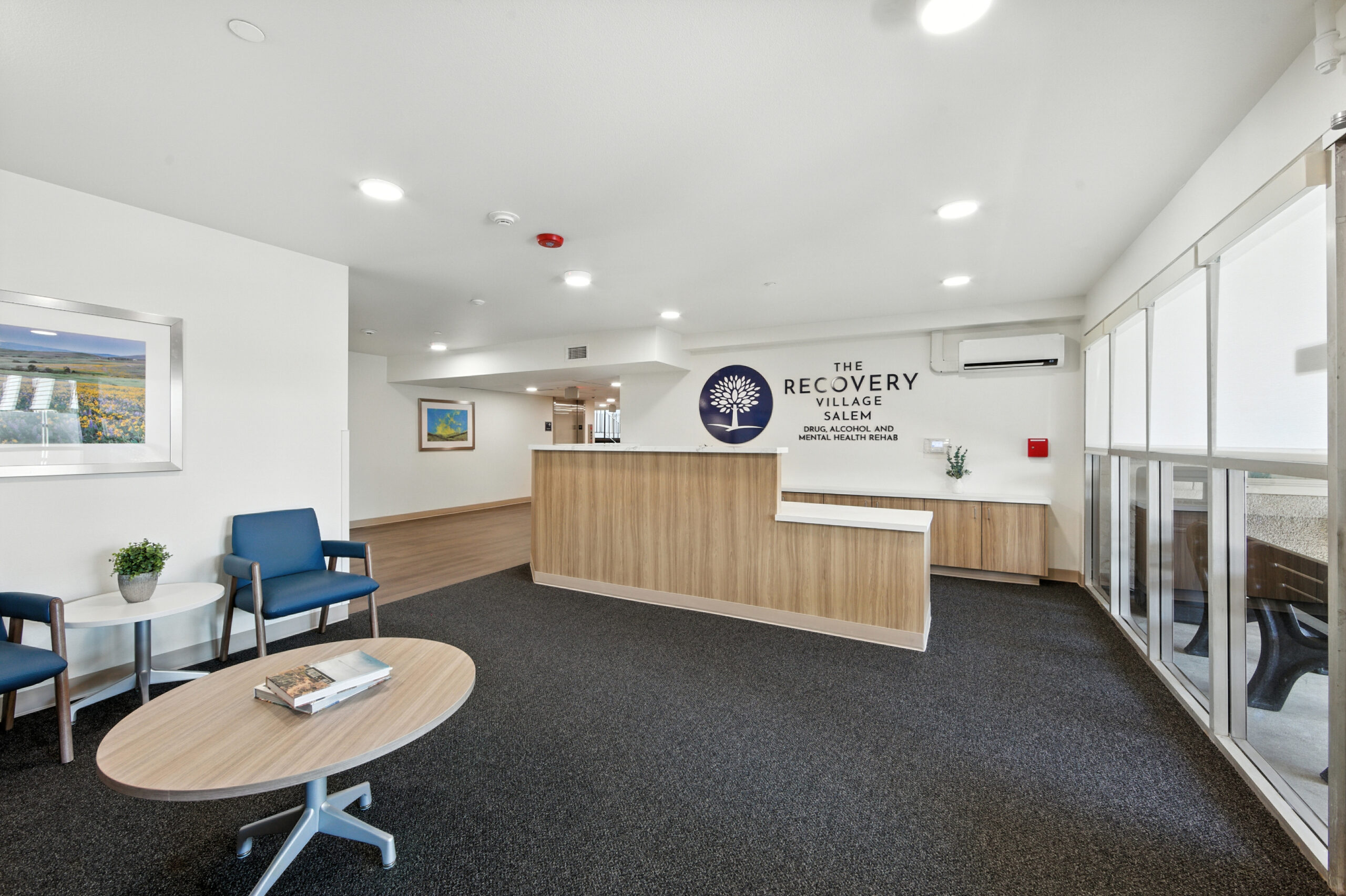
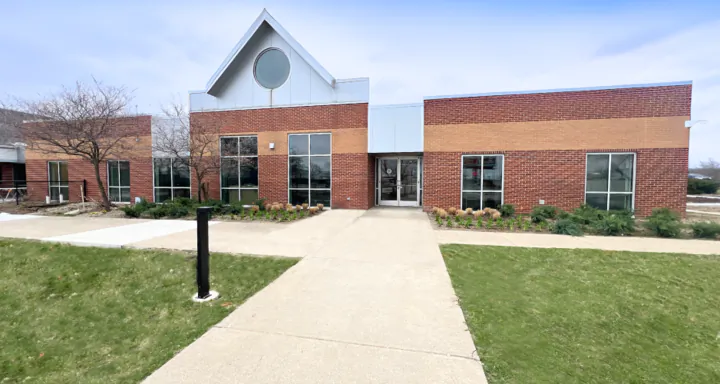
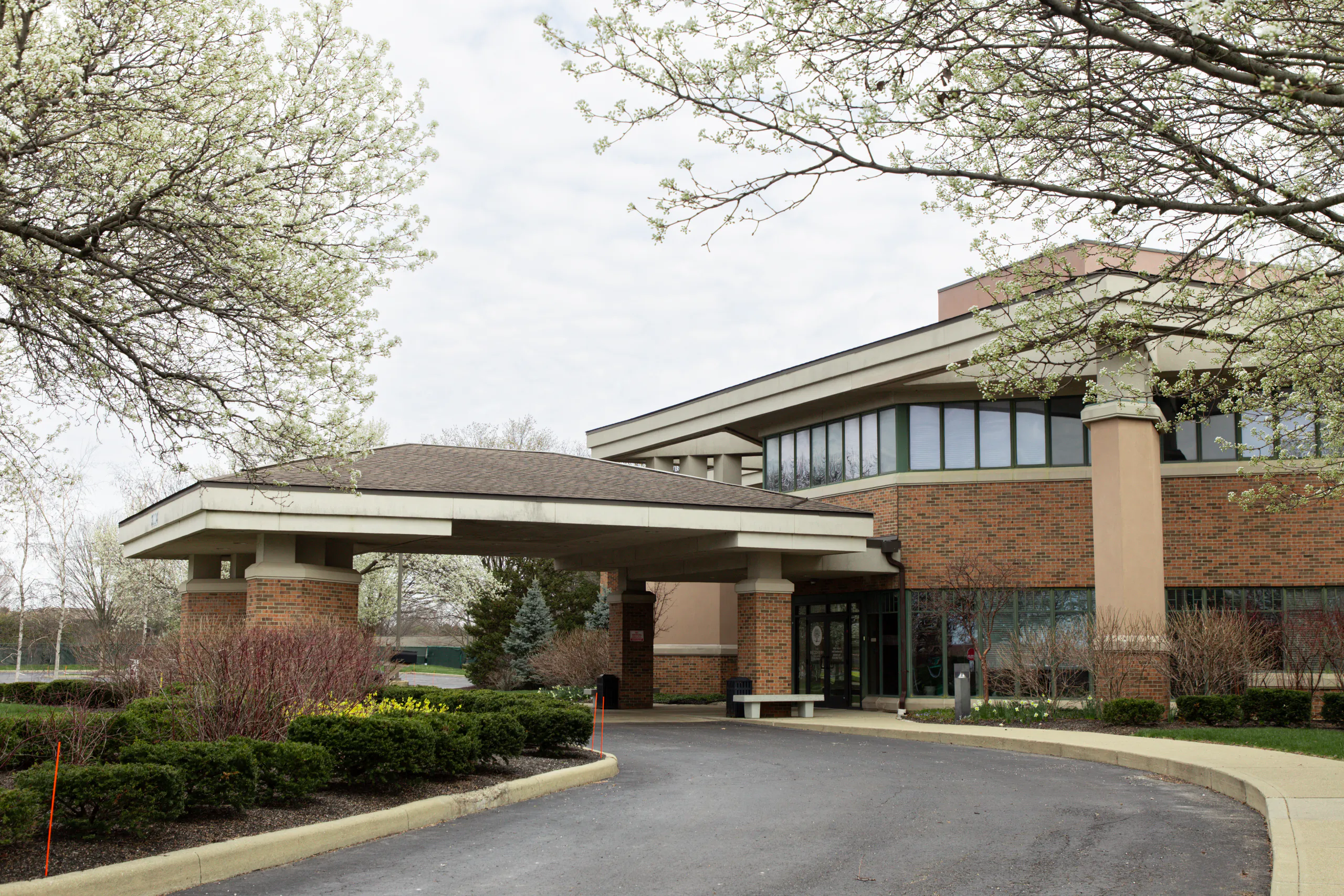
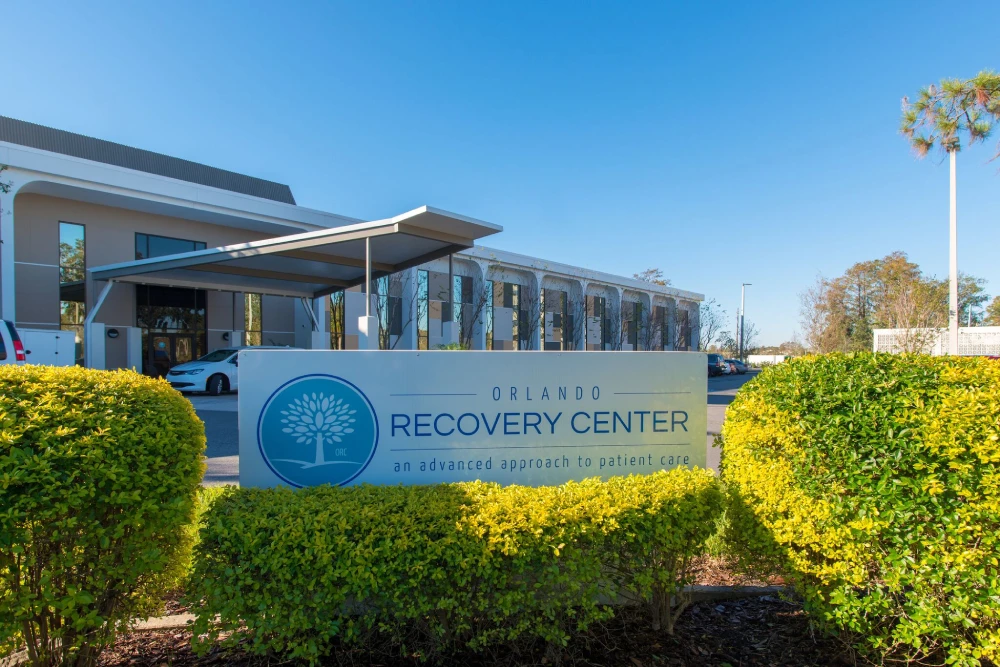
Our centers provide inpatient medical detox with 24-hour nursing and physician oversight, followed by residential, partial hospitalization, intensive outpatient and aftercare programs on the same campus. Find a center in Florida, Georgia, Texas, Pennsylvania, Tennessee, Colorado, Washington, Oregon, Missouri, Indiana, Ohio, New Jersey, Maryland or Massachusetts, or see all locations.