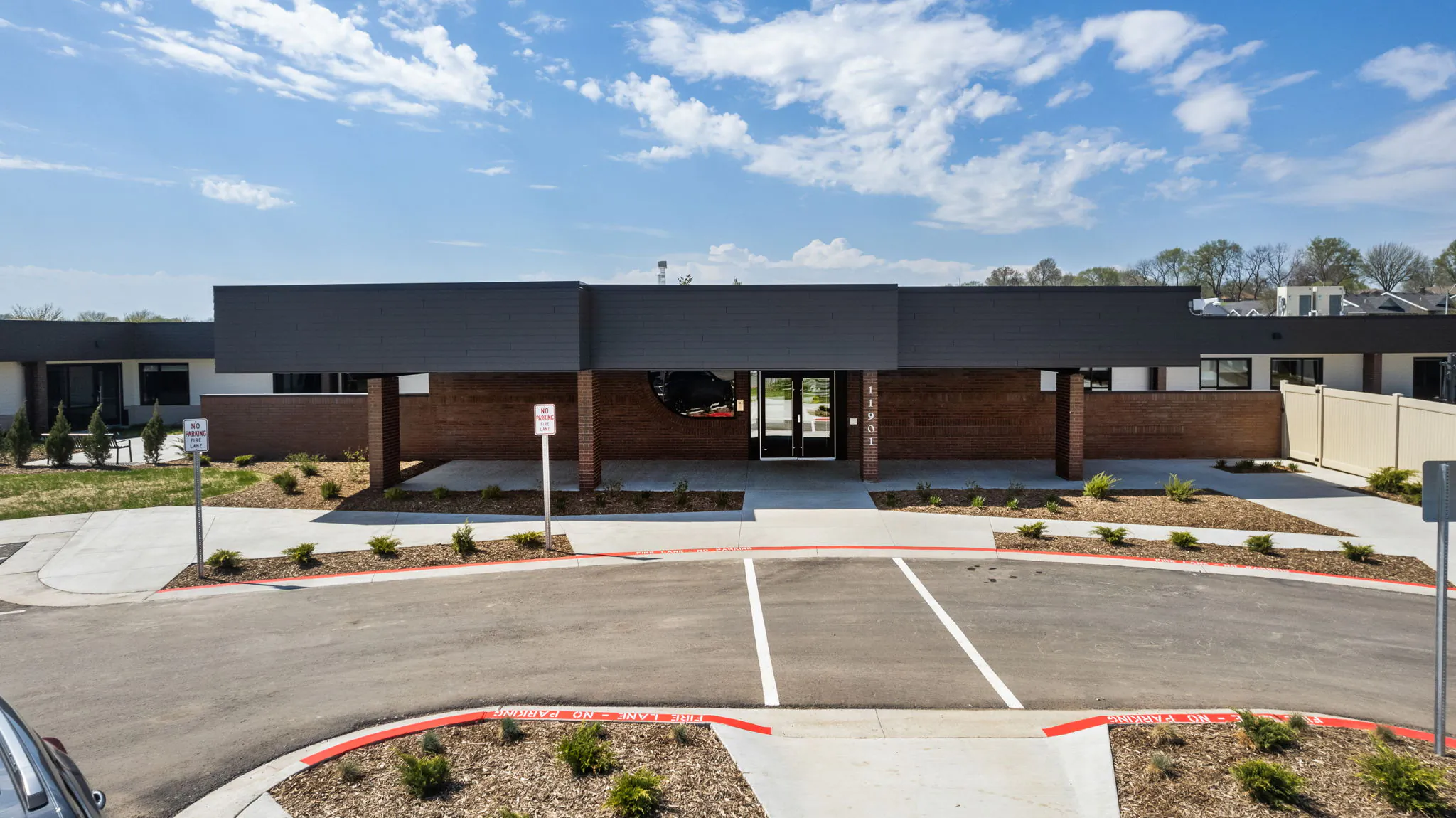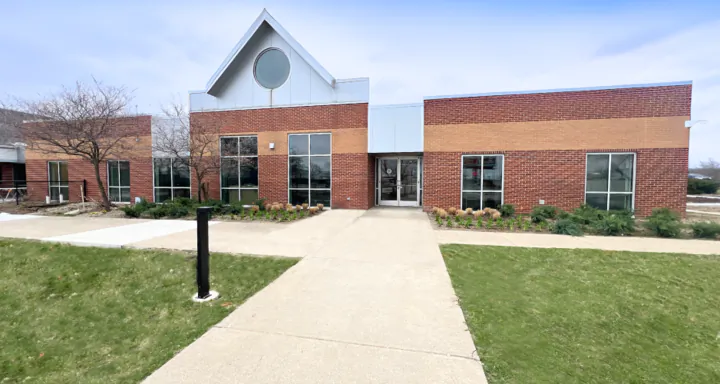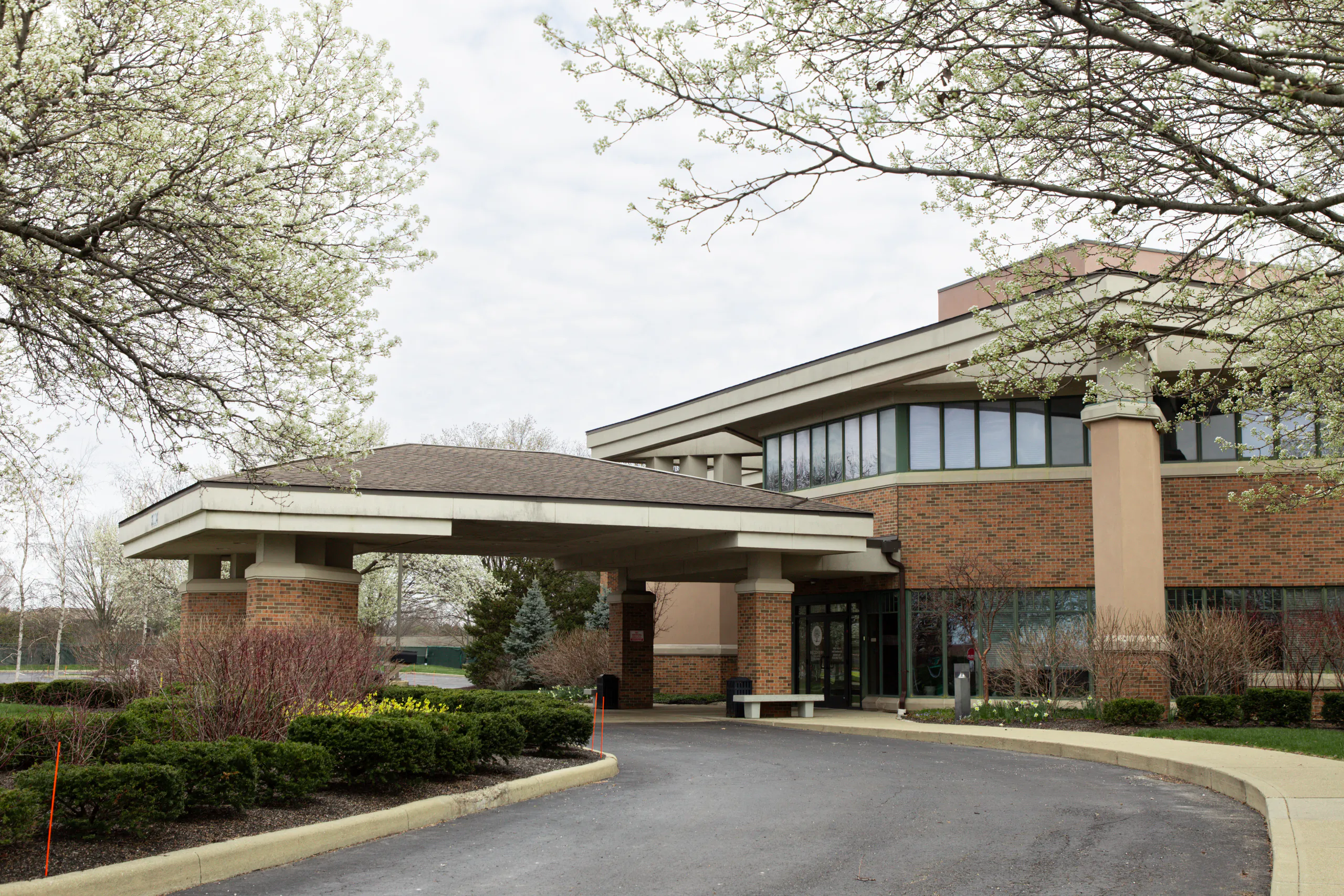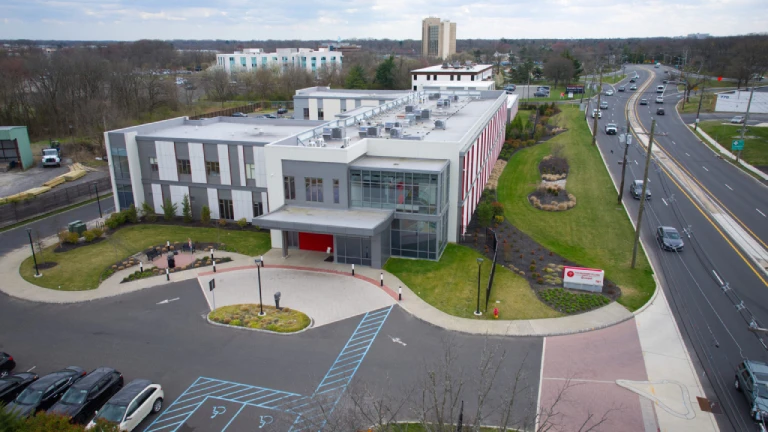

There are a variety of substance abuse treatment options available. Discover the different levels of treatment offered by The Recovery Village.
Substance abuse treatment programs vary based on an individual’s needs and the severity of their addiction. Some people may complete treatment on an outpatient basis, while others may need more intensive care, such as residential treatment. A team of addiction professionals can work with an individual to determine which substance abuse treatment program is best for them.
Types of Addiction Treatment Programs
There are multiple types of addiction treatment programs. Some people may pass through various phases of treatment, whereas others may only require one or twolevels of care.
Medical Detox
Amedical detox programis the first step for someone who is beginning treatment for a severe addiction to substances like heroin, alcohol or benzodiazepines. In drug or alcohol detox, patients are supervised by trained health professionals who can monitor symptoms and ensure that patients remain safe while withdrawing from drugs or alcohol.
In a medicaldetox treatmentprogram, staff canprovide medicationsto ease the discomfort of withdrawal as drugs and alcohol are leaving the body. For example,expertsreport that people who are withdrawing from heroin may take lofexidine to alleviate withdrawal symptoms. People may also takebuprenorphineormethadoneduring medical detox. It’s important to keep in mind that medication is only used during withdrawal when clinically cleared by a medical professional.
Medication-Assisted Treatment
Medications can be used during the withdrawal process in medical detox, and they can also be a part of an ongoingmedication-assisted treatmentprogram. Medication-assisted treatment involves using medications in tandem with counseling during the recovery process.
Medication-assisted treatment is typically used to treat addictions to illicit opioids, prescription opioids and alcohol. Medications can help control cravings and stabilize both brain chemistry and bodily functioning. According toresearch, medication-assisted treatment can help people stay in treatment, reduce opiate abuse, increase survival rates and decrease criminal activity. Much like with medical detox,methadone treatmentand buprenorphine are commonly prescribed in medication-assisted treatments for opioid addiction.Disulfiramandacamprosatemay be used for the treatment of alcohol abuse.
Inpatient Treatment
Inpatient rehabis typically provided in ahospital or a clinicthat specializes in inpatient treatment. In this type of treatment setting, medical professionals supervise patients and have 24-hour access to nurses. People participating in inpatient treatment often receive medications and counseling services and participate ingroup therapy.
Inpatient treatment typically involves ongoing assessment of the addiction and monitoring of goals. Once a patient has completed inpatient treatment, staff create a discharge plan and the patient is moved to another treatment setting, such as ongoing outpatient therapy.
Residential Rehab
Residential rehab issimilar to inpatient treatmentbut is typically longer-lasting. According to theNational Institute on Drug Abuse (NIDA),residential services usually occur outside of a hospital setting, meaning residential facilities provide more of a home-like environment. People receiving residential care reside at the treatment facility on a full-time basis.
Stays in residential rehab can last for a few weeks or several months, with the goal of helping people develop healthy social skills and change ineffectual behaviors. However, the length of treatment is comprehensive and can vary widely depending on both the program and the individual’s needs.
Partial Hospitalization Program
A partial hospitalization program offersan alternative to inpatient or residentialtreatment. According toThe Association for Ambulatory Behavioral Healthcare, these programs are offered either in hospitals or freestanding clinics and provide intensive services. People who participate in a partial hospitalization program may receive treatment during days, evenings, or weekends, and they return home at night. If a supportive home environment isn’t available, clients may live in a sober living facility.
Partial hospitalization is suitable for patients who are not a danger to themselves but still requireintensive treatment. In these programs, people spend more time in treatment than those in traditional outpatient programs, but they may be able to live at home and get treatment through theNobu teletherapy app.
Intensive Outpatient Treatment
Intensive outpatient treatment involvesgroup treatment sessions as well as individual counseling. People who are engaged in intensive outpatient treatment may also take medications and receive medication management services. Depending on the program, clients may live off-site at home or insober living housing.Online counselingis also common for this level of care.
Intensive outpatient programs are an alternative to hospitalization or inpatient programs. In some cases, people will begin an intensive outpatient program after transitioning out of an inpatient setting. According toresearch, intensive outpatient programs provide at least nine hours of service per week, but some programs may be more intensive.
Outpatient Treatment
Outpatient rehabis a step down from intensive outpatient treatment. Per theAmerican Society of Addiction Medicine, someone in outpatient treatment receives less than nine hours of services each week.
Similar to intensive outpatient programs, outpatient rehab typically involves individual and group counseling as well as access to medication and medical services. In outpatient programs, people schedule appointments at times that fit their schedules, and they can continue to work in the community and live at home throughout treatment. Outpatient programs offer flexibility, which is a benefit of this type of treatment.
Dual Diagnosis
Dual diagnosis treatmentis provided to individuals who have both an addiction and a mental health condition. For example, a person who lives with opioid addiction and bipolar disorder would be a candidate for dual diagnosis treatment.
With this form of treatment, people receive integrated services that address both addiction and mental health conditions. People in dual diagnosis services receive counseling, supportive services and medications. Treatment plans must consider both themental health condition and the addictionto be effective. For instance, if a person receives treatment for addiction, but underlying depression is not treated, the person may relapse to drug use as a form of self-medication.
Court-Ordered Treatment
Court-ordered treatment is given as a legal consequence for drug-related offenses, and comes with consequences for noncompliance.Studies showthat court-ordered treatment is just as effective, if not more so than voluntary addiction treatment. may take many forms and often is conducted in the same setting as voluntary treatment. The specific requirements of treatment vary with each unique court sentence. In some cases, treatment may be given as an alternative to incarceration or as a way to reduce the length of incarceration or probation.
Depending on the level of offense, types of court-ordered treatment include educations programs, group counseling, outpatient programs, community-based programs and residential programs.
Related Topic:Court ordered mental health treatment
Faith-Based Rehab
Some treatment facilities approach addiction recovery through the lens of spirituality. The most well-known community support group,Alcoholics Anonymous(AA), was founded on strong religious principles and continues to promote faith-based healing to its 2 million members around the world.
If you believe that spiritual principles could benefit your recovery, you can easily find treatment programs that implement these principles alongside traditional medicine.Researchshows that recovering patients with higher levels of spirituality exhibit positive qualities such as increased optimism, lower anxiety and higher resilience to stress. By helping a person in recovery find inner strength, faith-based rehab facilities hope to fortify their path to sobriety.
Related Topic:Faith-Based Treatment Programs
Aftercare
Aftercareincludes services that people participate in to maintain lasting sobriety after completing a treatment program. Aftercare services may involve ongoing counseling, participation insupport groups, or linkage to case management or peer support services. Aftercare plays an important role in preventing relapse. According toresearch, aftercare is more effective when people participate in it for longer periods of time.
Short-Term vs Long-Term Addiction Treatment
- Short-term treatment typically lasts around 30 days, but treatment of this length may not always be effective.NIDAreports that short-term residential programs are typically intensive, and it is necessary for people to transition into an outpatient program after completing one.
- Long-term treatmenttypically lasts somewhere between three and 12 months.Long-term residential treatment takes place in a home-like setting, and people have access to medical care 24 hours a day. A common model for long-term treatment is the therapeutic community, and people in this type of program typically stay in treatment for six to 12 months. Long-term treatment usually begins withdetoxfrom drugs, and then a person transitions into the program, which is initially strict and follows a structured schedule with rigid rules. As people make progress in treatment, they are awarded more flexibility.
Addiction Treatment Process
Addiction treatment is a process that typically occurs in phases. For example, thetreatment process for addictiontypically begins with an intake appointment and continues from there.
The following are typical steps in an addiction treatment program:
- Intake:The intake processinvolves an addiction professional gathering informationto admit you into a treatment program. For instance, the professional will discuss your health history and likely perform a basic medical examination. Basic information, such as date of birth, income, family background and employment history will also be gathered during the intake process.
- Screening & Assessment:During thescreening and assessmentphase of treatment, a professional will use a tool such as theDrug Abuse Screening Test (DAST)to determine the extent of a person’s problems with drug abuse. These tools involve a brief interview and efficiently provide the treatment team with information about a person’s substance use. Using screening and assessment results, the professional team can determine what further evaluations are necessary.
- Evaluation:After the screening and assessment are completed, a fullsubstance abuse evaluationwill be completed. This evaluation will be more comprehensive. During this evaluation, a clinician will gather information about your history of substance abuse, including when you first began using, what substances you have used and how frequently and in what quantities you have used. The clinician will also discuss symptoms of your substance abuse, such as whether ornot you experience withdrawal, what physical consequences you have experienced as a result of substance abuse and whether you have experienced legal difficulties or troubles at work or home due to drugs. A clinician may utilize an evaluation tool such as theAddiction Severity Index (ASI)to gather comprehensive information about your substance use and its consequences.
- Developing a Treatment Plan:After a full evaluation is completed, a clinician will work with you to develop a treatment plan. Addiction treatment plans address areas of need, such as abstaining from drugs and obtaining employment, as well as what services or resources will be utilized to address these areas. A treatment plan also states long-term goals and shorter-term objectives.Expertsreport that treatment plans should also make use of a client’s strengths.
How to Find a Drug or Alcohol Treatment Center
If you are ready to enter treatment, theSubstance Abuse and Mental Health Services Administrationoffers a substance abuse treatment locator. With this simple tool, you can enter your zip code and find drug and alcohol treatment services located near you. The Recovery Village also offerslocal rehab resourcesand hasfull-service treatment centersin several states, including Florida, Colorado, Ohio and Washington.
Visit the following websites to learn about The Recovery Village’s network of drug and alcohol rehabilitation treatment facilities. Call today for admissions. Each center is ready to help people learn how to cope with their addiction and uncover the root causes for their substance use disorder.
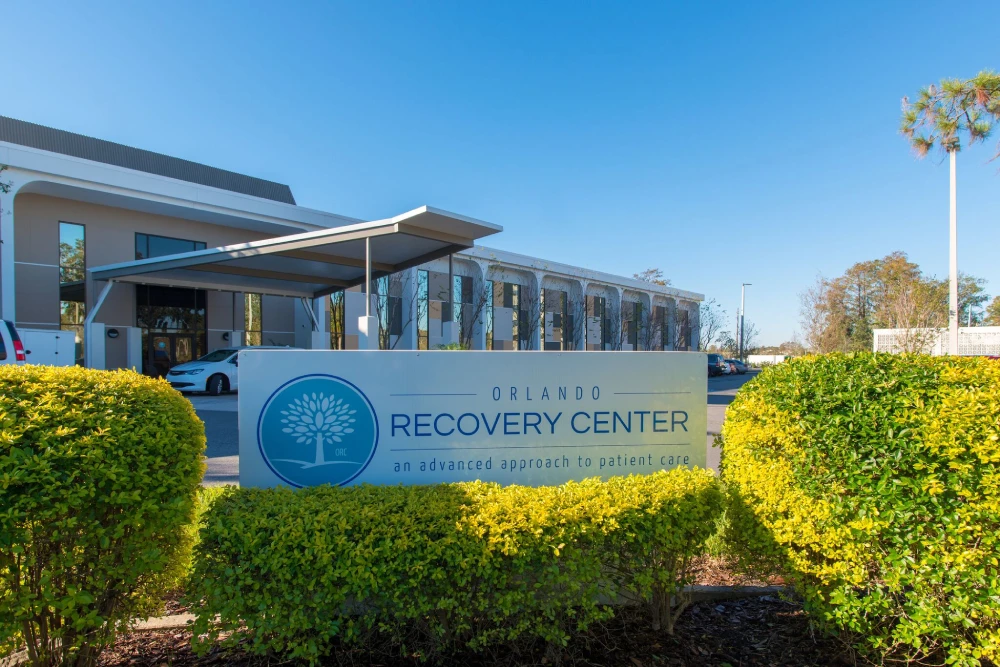
- Orlando Recovery Center: A premier rehabilitation facility in Orlando, Florida that helps individuals recover from addiction and substance use disorders. The center also offers the opportunity to treat co-occurring disorders.
- The Recovery Village Columbus: Located in Ohio,this facility provides inpatient, outpatient and aftercare treatment for people looking to begin detox. The center provides individualized plans to help patients through recovery while addressing their unique co-occurring disorders or any setbacks that may happen during recovery.
- The Recovery Village Palmer Lake:In Colorado, this facility offers inpatient, outpatient and intensive outpatient treatment for individuals looking to kick-start their journey to recovery.
- The Recovery Village Ridgefield: Located right in southern Washington,this facility provides patients with outpatient and aftercare programs. Just 20 minutes outside of Portland, this facility assists individuals who are ready to begin treatment.
- The Recovery Village: In Umatilla, Florida,this is a rehabilitation facility that provides resources for individuals seeking drug and alcohol treatment. There are inpatient, outpatient, intensive outpatient and partial hospitalization treatment programs available for those suffering from Ambien addiction.
- IAFF Center of Excellence:Specializes in assisting firefighters who struggle with behavioral health problems and addiction. Members can enter the recovery process sooner so they can return back to work as quickly as possible. Inpatient, partial hospitalization and intensive outpatient programs are all available at this facility, where patients can address their Ambien addiction in a safe, supportive environment.
- Denver Mental Health & Counseling: Denver Mental Health and Counseling by The Recovery Village is a physician-led outpatient center specializing in evidence-based addiction and mental health treatments, offering services such as TMS, IOP, and personalized care for both ongoing and new patients, dedicated to fostering long-term recovery and overall well-being.
- The Recovery Village Palm Beach at Baptist Health: The Recovery Village Palm Beach at Baptist Health is a premier physician-led treatment center in South Florida, offering a comprehensive spectrum of services from medical detox to outpatient programs for alcohol, drug, and co-occurring mental health conditions, with a commitment to rejuvenating lives, families, and communities, and facilitating same-day admissions.
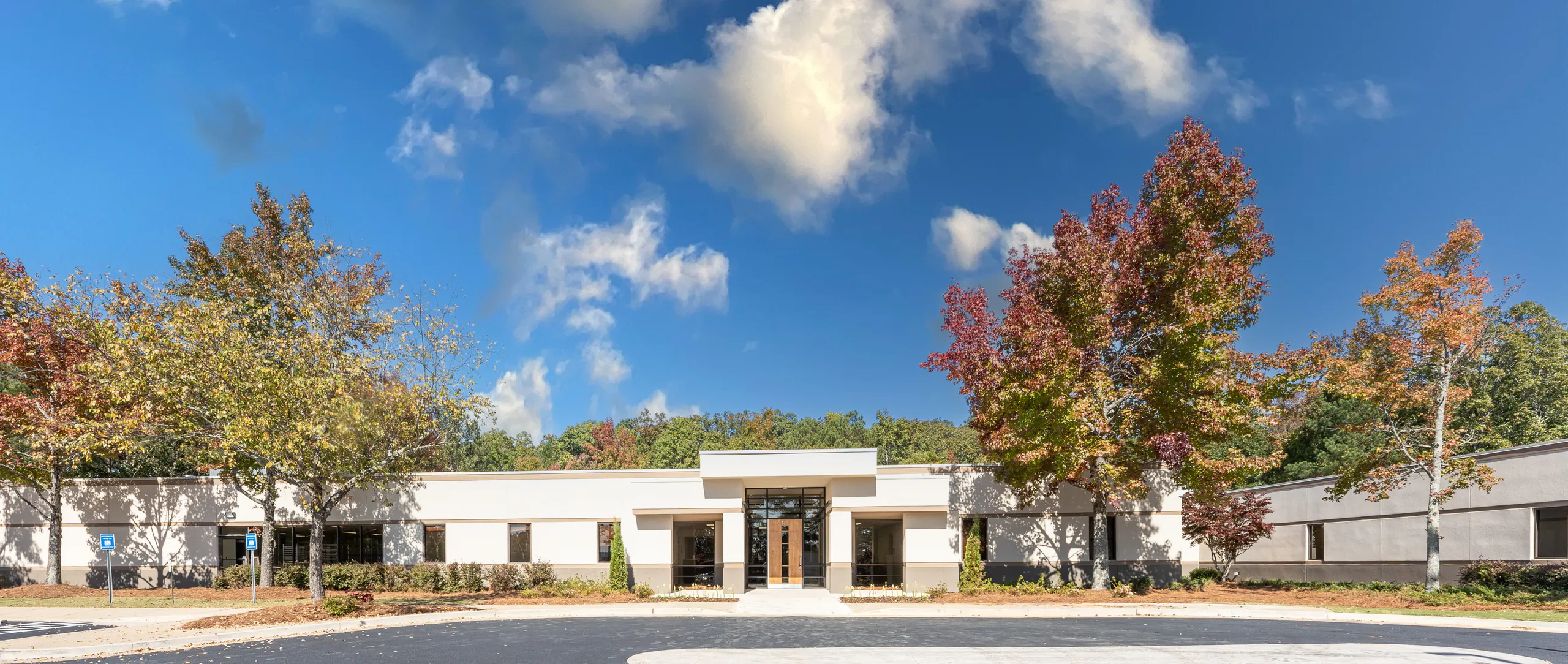
- The Recovery Village Atlanta: Located in Roswell just outside downtown Atlanta, is a 62-bed physician-led treatment facility offering a comprehensive range of services, from medical detox to outpatient care, specializing in alcohol, drug, and co-occurring mental health conditions, dedicated to transforming lives, families, and communities throughout Georgia.
- The Recovery Village South Atlanta: Situated in Stockbridge, just south of downtown Atlanta, The Recovery Village South Atlanta is a physician-led treatment center offering medical detox and inpatient rehab care for substance use disorders. Specializing in treating substance use and co-occurring mental health conditions, the facility is dedicated to helping individuals and families heal and thrive across Georgia and the Southeast.
- The Recovery Village Kansas City: The Recovery Village Kansas City, an 80-bed facility in Raytown just 10 miles from downtown, offers a comprehensive range of evidence-based treatments for addiction and mental health conditions, overseen by physician leaders, and is dedicated to revitalizing lives, families, and communities throughout the Midwest.
- The Recovery Village Indianapolis: Located just minutes from downtown in the heart of Indiana, The Recovery Village Indianapolis is a modern facility offering a full spectrum of evidence-based treatment for substance use and co-occurring mental health disorders. Led by experienced physicians and compassionate clinical staff, the center is committed to restoring health and hope to local individuals, families and communities.
- The Recovery Village Cherry Hill at Cooper Health: The Recovery Village Cherry Hill at Cooper, situated just 20 minutes from Philadelphia, is a leading rehab facility in South Jersey providing comprehensive, evidence-based addiction and mental health treatments, ranging from medical detox to teletherapy, with a dedicated team committed to guiding adults on their path to lifelong recovery.