

Medical detox is the first step of treatment for alcohol, opioid, benzodiazepine and other substance use disorders: a short, medically supervised period in which the body clears the substance while physicians and nurses monitor you around the clock, treat withdrawal symptoms and, when appropriate, use medication to keep withdrawal safe and as comfortable as possible. It typically lasts three to ten days and is followed by inpatient or outpatient rehab.
Choose The Recovery Village for a safe, comfortable detox experience.
Home > Drug & Alcohol Treatment Programs Near Me > Medical Detoxification from Drugs or Alcohol
Detoxification is the process of eliminating a substance from the body. Medical detox adds what makes that process safe: assessment by a physician, 24-hour nursing, monitoring of vital signs and symptoms with standardized scales, medications to prevent complications and relieve symptoms, hydration and nutrition, and treatment of any other medical or psychiatric problems that surface. It is delivered in a hospital unit or a licensed detox facility.
This page explains when medical detox is necessary, what happens day by day, which medications are used, how long it takes, what it costs and how to start today.
Our rehab centers help men and women who are struggling with addictions, substance abuse and mental health disorders. We also provide treatment exclusively to International Association of Fire Fighters (IAFF) members at our Maryland facility, the IAFF Center of Excellence for Behavioral Health Treatment and Recovery.
You may hear the word “detox” used loosely to describe cleanses or diets. In addiction medicine it means something specific: managing withdrawal from a substance the body has become dependent on, under medical care, so that it is safe and tolerable. Medical detox is not treatment for addiction on its own; it is the bridge that makes treatment possible. Once withdrawal is managed, the work of recovery, therapy, medication for opioid or alcohol use disorder, treatment of co-occurring conditions and relapse-prevention planning, begins.
Like diabetes, asthma or rheumatoid arthritis, addiction is a chronic condition that can flare and recede. Detox addresses the acute phase, the days in which stopping a substance is physically or psychiatrically dangerous. What follows detox, and how long a person stays engaged in care, is what determines long-term outcomes. That is why every medical detox at The Recovery Village ends with a plan for the next level of care rather than a discharge home.
Medical supervision is strongly recommended, and in some cases essential, when:
If you are unsure, a free, confidential assessment by phone will tell you whether medical detox is needed or whether a lower level of care is appropriate.
Dependence on any of the substances below calls for evaluation, and in most cases medically supervised withdrawal. The risks, medications and typical length differ by substance. See the full list on our page about drugs requiring medically assisted detox.
Alcohol suppresses the central nervous system. With daily heavy use the brain compensates, and when alcohol is removed the nervous system becomes overactive. Withdrawal typically begins 6 to 24 hours after the last drink and can include:
In its most severe form, alcohol withdrawal is life-threatening: seizures can occur within 24 to 48 hours and delirium tremens (DTs) within 48 to 96 hours. In medical detox, benzodiazepines are used to prevent seizures and DTs, alongside thiamine and other vitamins, fluids and medications for blood pressure, nausea and sleep. Alcohol detox usually takes three to seven days. Learn more about alcohol withdrawal and detox.
Opioids include heroin, fentanyl and prescription pain medications such as oxycodone and hydrocodone. Withdrawal begins 8 to 24 hours after the last dose (later for methadone and sometimes fentanyl), peaks around days two to three and includes:
Opioid withdrawal is rarely fatal by itself, but it is severe enough that most people cannot complete it alone, and tolerance drops quickly, which makes overdose risk highest in the days after stopping. In medical detox, buprenorphine (started once withdrawal has begun) or methadone relieves symptoms, and clonidine or lofexidine, anti-nausea and sleep medications treat the rest. Opioid detox usually takes five to ten days; fentanyl can lengthen it and methadone detox often takes one to three weeks. Continuing medication after detox substantially lowers relapse and overdose risk.
Benzodiazepines (Xanax, Klonopin, Valium, Ativan) and other sedatives such as barbiturates carry a seizure risk similar to alcohol. Detox is a physician-managed taper, often after switching to a long-acting benzodiazepine, with anticonvulsants and beta-blockers as adjuncts; the acute phase takes one to two weeks and the taper may continue for weeks to months. Other prescription medications, including stimulants such as Adderall and sleep medications, require evaluation and a taper plan, and any prescription drug combined with alcohol or opioids raises the risk of complications.
Stimulants include cocaine, methamphetamine, MDMA and misused prescription stimulants. Stimulant withdrawal is not medically dangerous in the way alcohol or benzodiazepine withdrawal is, but the “crash” can bring severe depression, exhaustion, intense cravings and, in some cases, suicidal thoughts or psychosis. Supervised stabilization of three to seven days, with treatment for agitation, insomnia and depression, protects people through that window and screens for other substances.
The most consequential synthetic drug today is fentanyl, which is present in much of the heroin, counterfeit pill and stimulant supply. Because fentanyl stores in body fat, withdrawal can start later, last longer and be harder to manage, and starting buprenorphine requires careful timing. Xylazine, a veterinary sedative increasingly found alongside fentanyl, is not reversed by naloxone and adds sedation and wound risks. Other synthetics such as K2/Spice and bath salts can cause agitation and psychosis that need monitoring. Medical detox screens for these substances at admission and adjusts the plan accordingly.
Cost should not prevent you from getting the help you need. Using insurance for medical detox can significantly reduce your cost for treatment. Our online verification form allows you to instantly check if your benefits will cover treatment at The Recovery Village.
Our online insurance verification tool is HIPAA-compliant, so your information stays completely confidential.
Admission and assessment (first hours). A nurse takes vital signs and a history of what you have used, how much and when. A physician or nurse practitioner examines you, orders labs and a drug screen (including fentanyl and xylazine), reviews medications and medical conditions, and screens for depression, anxiety and suicide risk. A withdrawal scale (CIWA for alcohol, COWS for opioids) sets a baseline.
Stabilization (days 1 to 3). Symptoms are checked every few hours and medications are adjusted to what you actually experience, not a fixed schedule. Fluids, electrolytes, vitamins and regular meals are part of the plan. Sleep is protected. You meet a counselor and begin planning what comes after detox.
Improvement (days 3 to 7 and beyond). Physical symptoms ease; cravings, sleep problems and low mood may persist and are treated. A psychiatric evaluation addresses co-occurring conditions. The team confirms the next level of care and, for opioid use disorder, discusses continuing medication after detox.
Transition. Most people move directly into residential treatment on the same campus, or into partial hospitalization or intensive outpatient care, so there is no gap between detox and treatment.
Medications make withdrawal safer and more tolerable and, for opioid and alcohol use disorder, reduce relapse and overdose risk after detox. Which medications are used depends on the substance: benzodiazepines, thiamine and adjuncts such as gabapentin for alcohol; a long-acting benzodiazepine taper for sedatives; buprenorphine, methadone or, after an opioid-free period, naltrexone for opioids, with clonidine or lofexidine for symptoms; and symptomatic treatment for stimulants. Everyone with opioid exposure leaves with naloxone. The three medications most often continued after detox are described below.
Methadone has been used to prevent opioid withdrawal since the 1950s and has been a mainstay of addiction treatment. It is a fully activated opioid and has all of the risks of an opioid; however, when well monitored, methadone detox is highly effective at preventing opioid withdrawal symptoms. Patients can taper off methadone gradually. Because methadone is an opioid itself, treatment centers must be federally licensed to prescribe it to treat opioid use disorder.
Naltrexone is used for treating opioid and alcohol use disorders. It acts as a long-acting opioid-blocking agent and can precipitate opioid withdrawal in anyone recently using opioids. This potential interaction means that to receive naltrexone during medical detox, a patient must abstain from opioids for 70 days.
An injectable form of naltrexone, Vivitrol is often utilized during opioid treatment and alcohol use disorders. While the oral form of naltrexone must be taken daily, the effects of a single injection of Vivitrol can last for one month. Clients can only receive Vivitrol after abstaining from opioid or alcohol use for a minimum of 7–10 days.
Multiple buprenorphine products are available to help you in rehab. Buprenorphine is a partial activator of the opioid receptor and thus carries less addiction and overdose risk than methadone (though the risk is not zero). Since 2002, Suboxone has been approved for treating opioid use disorder. It is equally effective as methadone in treating withdrawal symptoms.
One of the newest addiction treatment medications available today, Sublocade is a long-acting injectable form of buprenorphine. While oral forms of buprenorphine (Suboxone) can effectively address withdrawal symptoms, they also carry the potential for abuse. Sublocade’s method of administration helps limit the risk of abuse. However, it’s important to remember that Sublocade can only be administered to individuals who have already received a stable dose of a transmucosal form of Suboxone for a minimum of seven days.
Length is set by symptoms and safety, not a calendar. The factors that matter most include:
Three to ten days for most people: alcohol about a week, opioids five to ten days, benzodiazepines one to two weeks of acute care with a longer taper, methadone one to three weeks, stimulants a few days. Detox is usually not counted toward the length of the rehab stay that follows.
Medical detox exists precisely because unsupervised withdrawal is not always safe. In a medical setting, seizures and delirium are prevented or treated immediately, dehydration and heart strain are managed, and psychiatric symptoms are monitored. The remaining risks are the ones detox is designed to reduce: relapse and, for opioids, overdose after tolerance drops. That is why a plan for continued treatment and, where appropriate, medication is part of every discharge.
Detox manages withdrawal; treatment addresses addiction. The National Institute on Drug Abuse notes that treatment participation of less than 90 days is of limited effectiveness for most people. After detox, care continues in residential treatment, partial hospitalization, intensive outpatient and outpatient programs with therapy, medication management, treatment for co-occurring conditions, family involvement and a written relapse prevention plan. Compare levels of care and inpatient vs. outpatient treatment.
When comparing detox programs, look for: physician oversight and 24-hour nursing; Joint Commission or CARF accreditation and a state license; the ability to manage alcohol and benzodiazepine withdrawal on site; buprenorphine available for opioid withdrawal; psychiatric care for co-occurring conditions; residential and outpatient treatment on the same campus or with the same provider; and a benefits check before admission. Our centers provide medical detox in Florida, Georgia, Texas, Pennsylvania, Tennessee, Colorado, Washington, Oregon, Missouri, Indiana, Ohio, New Jersey, Maryland and Massachusetts, and our admissions team will verify your insurance free of charge.
Most clients who come into treatment for drug- and alcohol-related conditions will need supervised medical detoxification. The Recovery Village, a full-service substance use disorder treatment facility, provides medical detoxification services 24 hours daily. The Recovery Village medical detox also offers 24-hour nursing care and is equipped to handle complex detoxification, including clients who use multiple drugs or have co-occurring mental health conditions. Medical detoxification services are individualized to each client’s needs.
Recovery is within your reach. Whether you have struggled with dependence on opioids, alcohol or other drugs, The Recovery Village can help jumpstart your sobriety efforts. With medical detox as the first step in a longer addiction recovery process, The Recovery Village can help you progress toward your sobriety goals. Reach out to a Recovery Advocate today to get started.
Find The Recovery Village Drug, Alcohol and Mental Health Rehab nearest you.
Substance Abuse and Mental Health Services Administration. “TIP 45: Detoxification and Substance Abuse Treatment.” SAMHSA, 2015. Accessed September 24, 2026.
American Society of Addiction Medicine. “The ASAM Clinical Practice Guideline on Alcohol Withdrawal Management.” Journal of Addiction Medicine, 2020. Accessed September 24, 2026.
American Society of Addiction Medicine. “The ASAM National Practice Guideline for the Treatment of Opioid Use Disorder: 2020 Focused Update.” ASAM, 2020. Accessed September 24, 2026.
American Society of Addiction Medicine. “Joint Clinical Practice Guideline on Benzodiazepine Tapering.” ASAM, 2025. Accessed September 24, 2026.
National Institute on Drug Abuse. “Principles of Drug Addiction Treatment: A Research-Based Guide (Third Edition).” NIDA, 2018. Accessed September 24, 2026.
Centers for Disease Control and Prevention. “Fentanyl Facts.” CDC, 2024. Accessed September 24, 2026.
The Recovery Village aims to improve the quality of life for people struggling with substance use or mental health disorder with fact-based content about the nature of behavioral health conditions, treatment options and their related outcomes. We publish material that is researched, cited, edited and reviewed by licensed medical professionals. The information we provide is not intended to be a substitute for professional medical advice, diagnosis or treatment. It should not be used in place of the advice of your physician or other qualified healthcare providers.
Locations within Colorado
Denver Mental Health & Counseling
The Recovery Village Palmer Lake
Locations within Florida
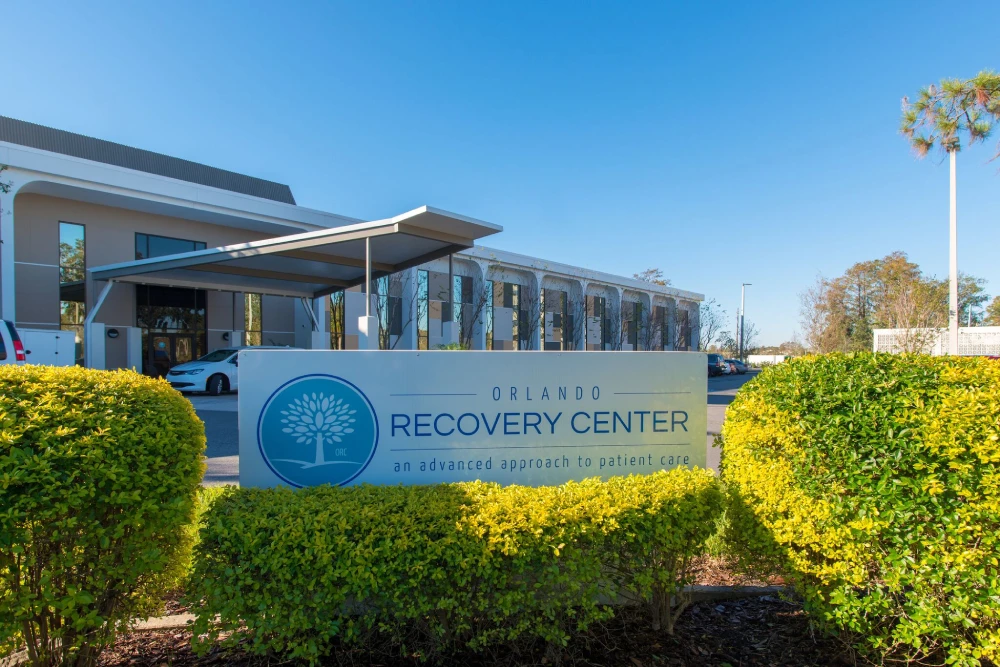
Orlando Recovery Center Drug, Alcohol and Mental Health Rehab
Orlando Outpatient Center
The Recovery Village Palm Beach at Baptist Health Drug, Alcohol and Mental Health Rehab
The Recovery Village Umatilla Drug, Alcohol and Mental Health Rehab
Locations within Georgia
The Recovery Village Atlanta Drug, Alcohol and Mental Health Rehab
The Recovery Village South Atlanta Drug, Alcohol and Mental Health Rehab
Promises Atlanta
Locations within Indiana
The Recovery Village Indianapolis Drug, Alcohol and Mental Health Rehab
Locations within Maryland
IAFF Center of Excellence
Locations within Massachusetts
Washburn House
Locations within Missouri
The Recovery Village Kansas City Outpatient Center
The Recovery Village Kansas City Drug, Alcohol, and Mental Health Rehab
Locations within Ohio
The Recovery Village Columbus Drug, Alcohol and Mental Health Rehab
Locations within Oregon
The Recovery Village Salem Drug, Alcohol and Mental Health Rehab
Locations within New Jersey
The Recovery Village Cherry Hill at Cooper Drug, Alcohol and Mental Health Rehab
Locations within Pennsylvania
The Ranch Pennsylvania
The Ranch Pennsylvania Outpatient Center
Locations within Tennessee
The Ranch Tennessee
Locations within Texas
Promises Brazos Valley
Promises Dallas-Fort Worth
The Right Step Houston
Locations within Washington
The Recovery Village Ridgefield Rehab
The Recovery Village Ridgefield Detox
Denver Mental Health & Counseling
The Recovery Village Palmer Lake
Orlando Recovery Center Drug, Alcohol and Mental Health Rehab
Orlando Outpatient Center
The Recovery Village Palm Beach at Baptist Health Drug, Alcohol and Mental Health Rehab
The Recovery Village Umatilla Drug, Alcohol and Mental Health Rehab
The Recovery Village Atlanta Drug, Alcohol and Mental Health Rehab
The Recovery Village South Atlanta Drug, Alcohol and Mental Health Rehab
Promises Atlanta
The Recovery Village Indianapolis Drug, Alcohol and Mental Health Rehab
IAFF Center of Excellence
Washburn House
The Recovery Village Kansas City Outpatient Center
The Recovery Village Kansas City Drug, Alcohol, and Mental Health Rehab
The Recovery Village Columbus Drug, Alcohol and Mental Health Rehab
The Recovery Village Salem Drug, Alcohol and Mental Health Rehab
The Recovery Village Cherry Hill at Cooper Drug, Alcohol and Mental Health Rehab
The Ranch Pennsylvania
The Ranch Tennessee
Promises Brazos Valley
Promises Dallas-Fort Worth
The Right Step Houston
The Recovery Village Ridgefield Rehab
The Recovery Village Ridgefield Detox

NEW Guide for Loved Ones
Our state-specific resource guides offer a comprehensive overview of drug and alcohol addiction treatment options available in your area.
Only necessary cookies are on. Optional cookies stay off unless you allow them, since that data may relate to your health. See our Cookie Policy. Your choice acknowledges our Terms and Conditions. Privacy Policy Cookie Policy
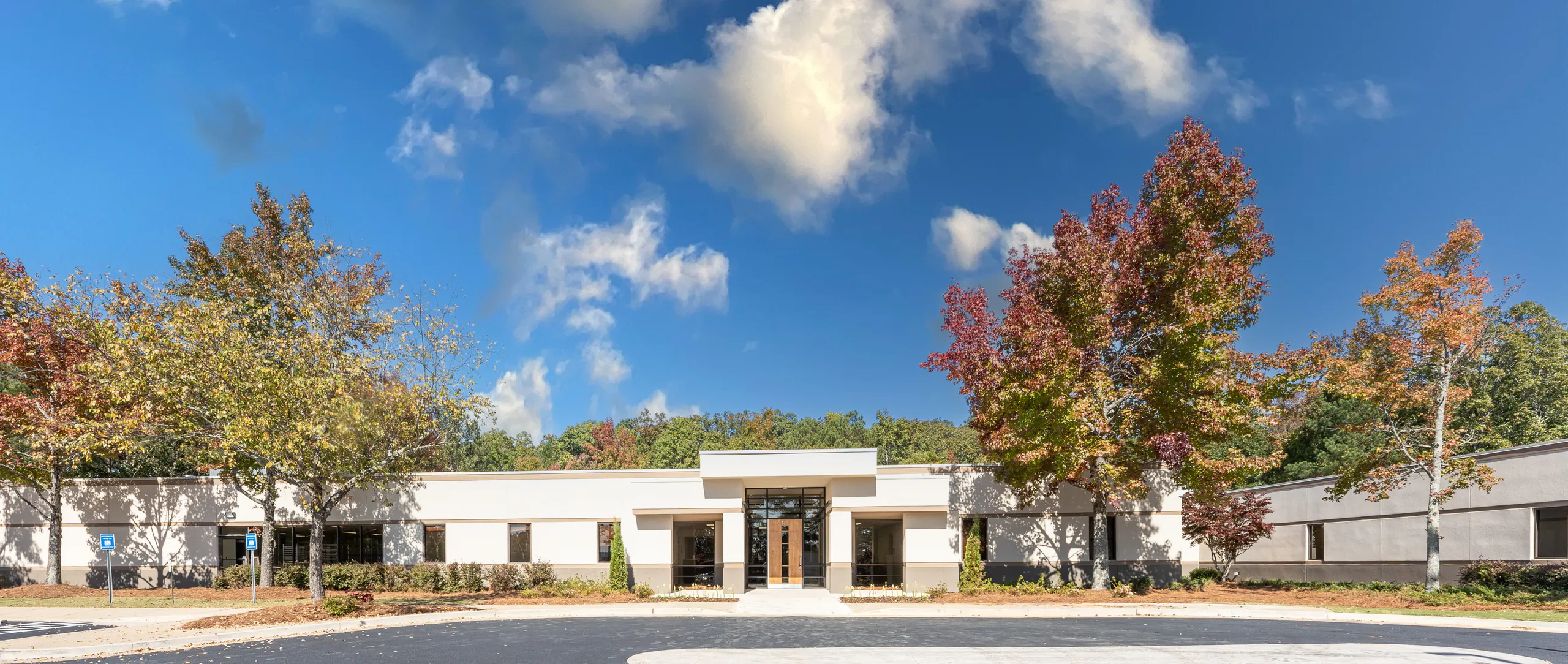
In-Network
Substance Abuse
Medical Detox
Residential
Aftercare
Dual Diagnosis
Not your location?
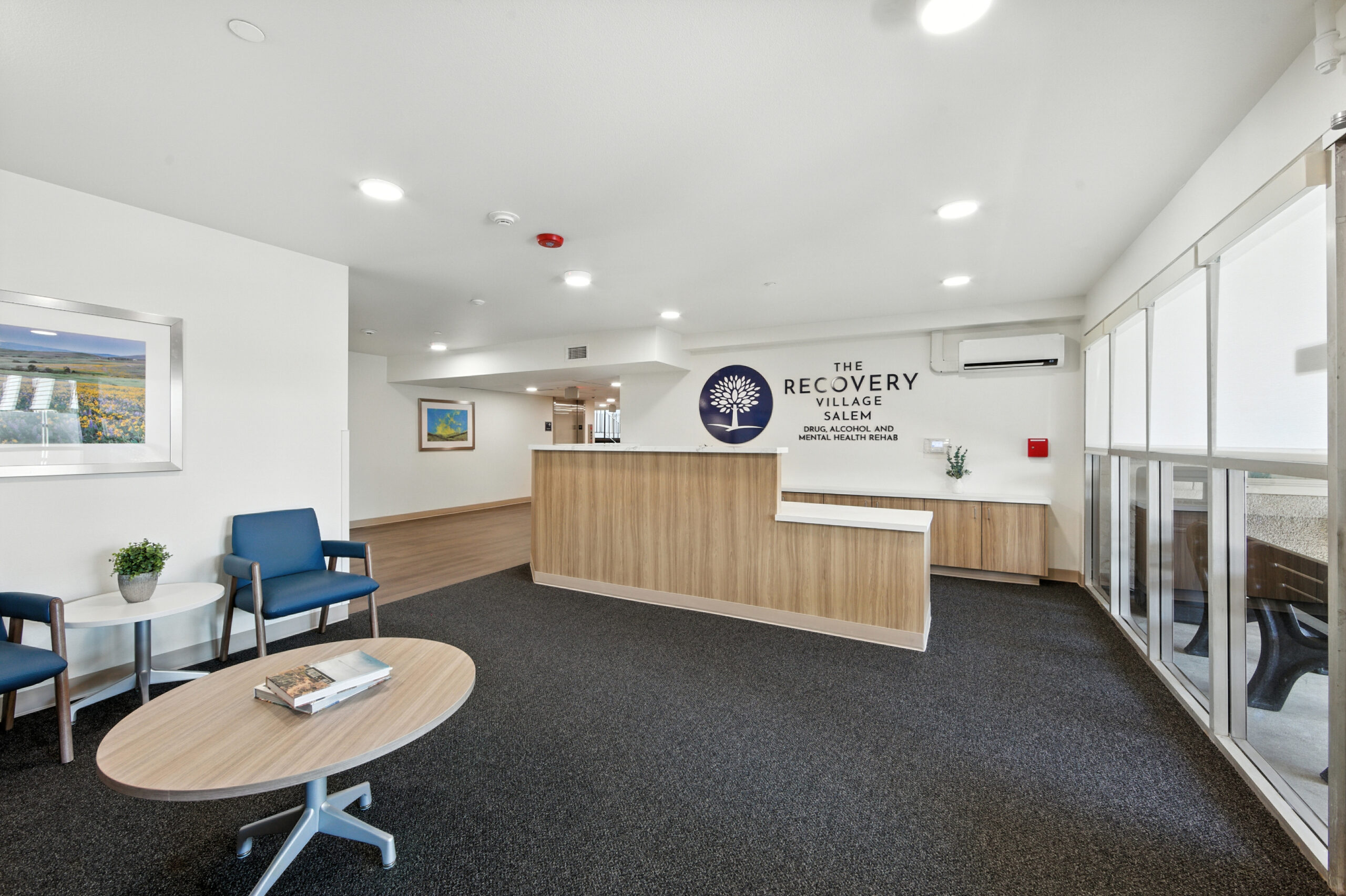
In-Network
Substance Abuse
Mental Health
Medical Detox
Inpatient
Aftercare
Dual Diagnosis
Inpatient Mental Health
Not your location?
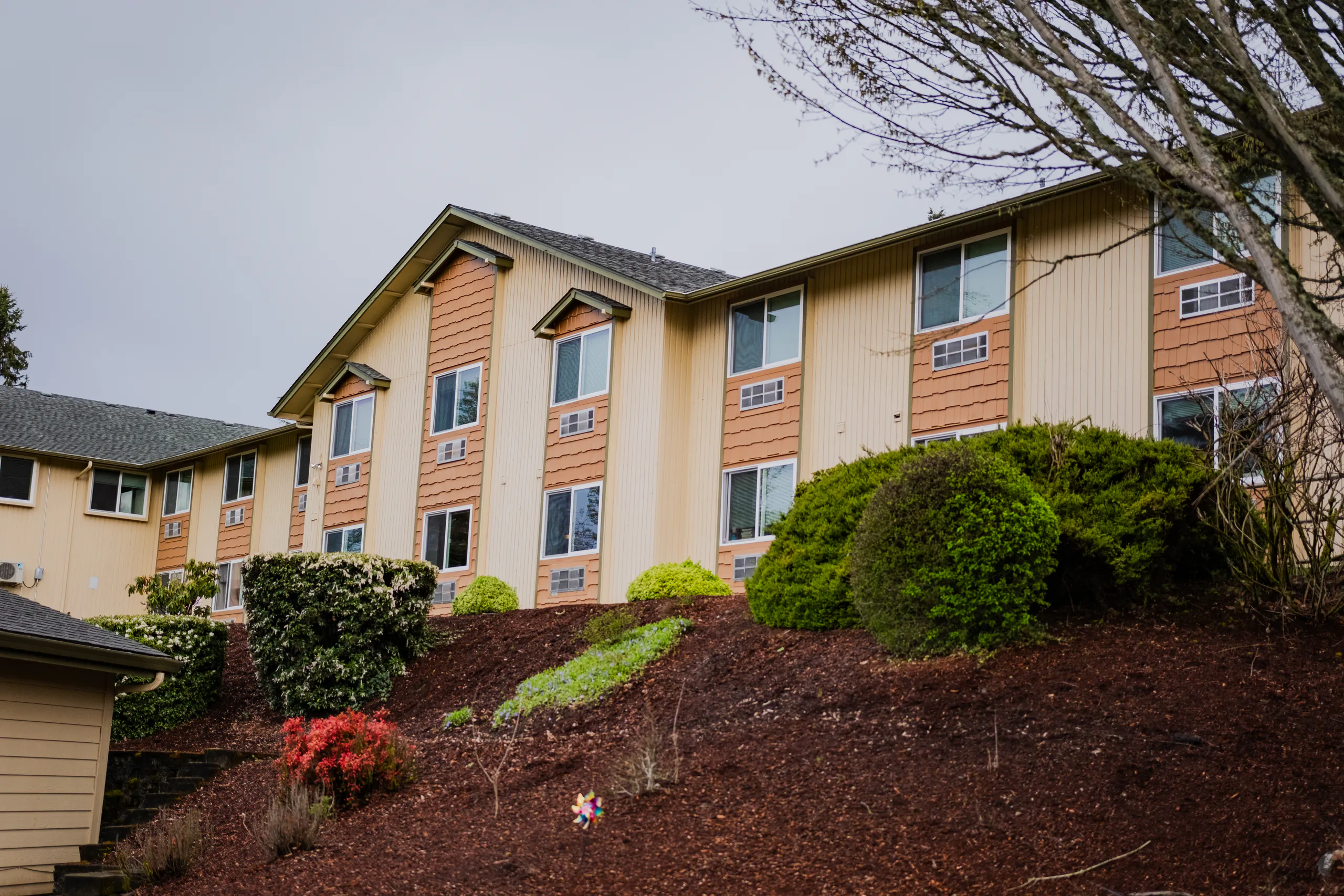
In-Network
Substance Abuse
Medical Detox
Inpatient
Partial Hospitalization
Intensive Outpatient
Dual Diagnosis
Not your location?

In-Network
Medical Detox
Inpatient
Partial Hospitalization
Intensive Outpatient
Outpatient
Dual Diagnosis
Not your location?
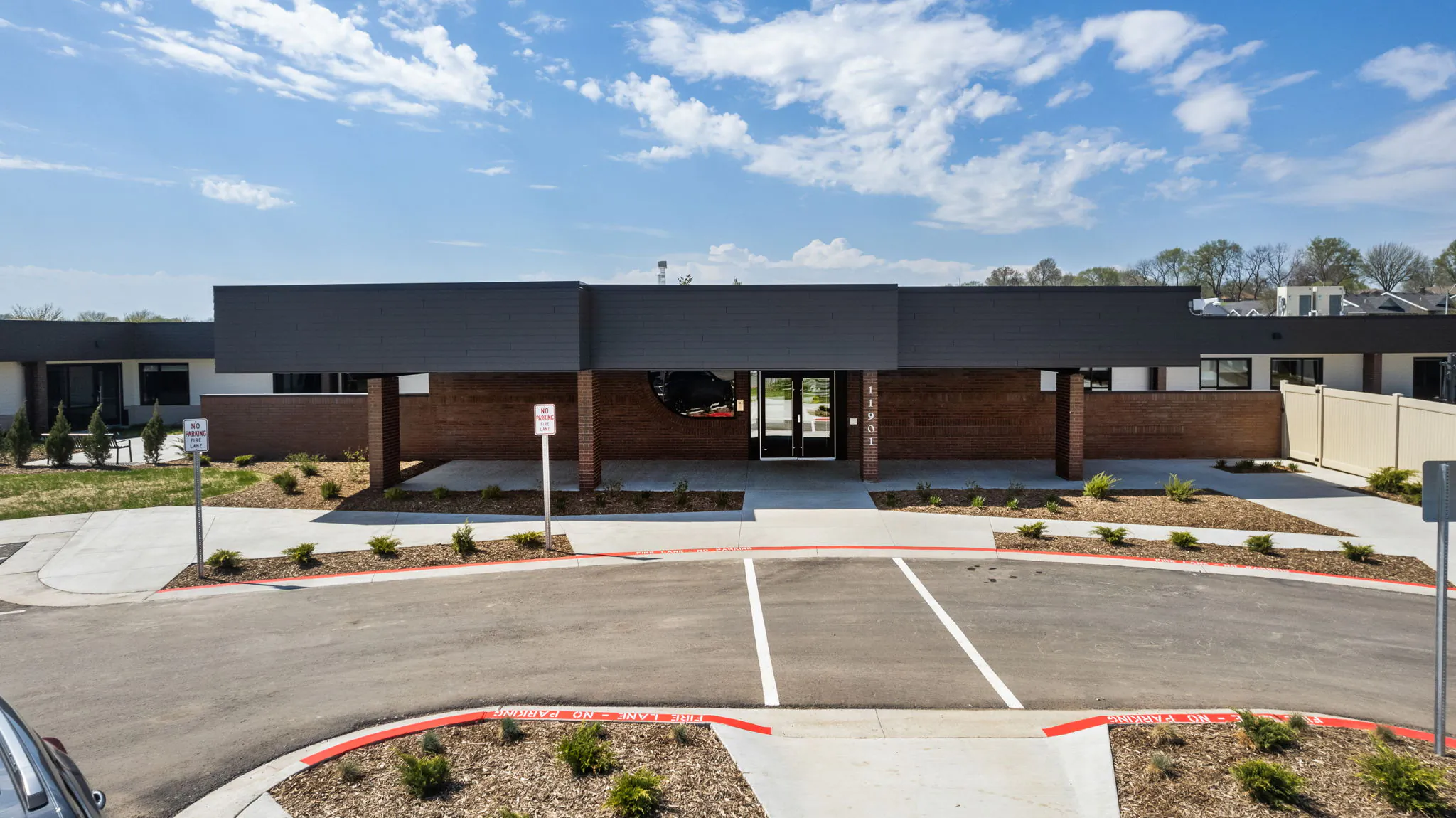
In-Network
Substance Abuse
Mental Health
Medical Detox
Residential
Intensive Outpatient
Aftercare
Dual Diagnosis
Residential Mental Health
Not your location?
In-Network
Substance Abuse
Medical Detox
Inpatient
Aftercare
Dual Diagnosis
Not your location?
In-Network
Substance Abuse
Mental Health
Medical Detox
Inpatient Residential
Partial Hospitalization
Dual Diagnosis
Inpatient Mental Health
Not your location?
In-Network
Substance Abuse
Medical Detox
Partial Hospitalization
Intensive Outpatient
Aftercare
Dual Diagnosis
Not your location?

In-Network
Substance Abuse
Medical Detox
Residential
Partial Hospitalization
Aftercare
Dual Diagnosis
Not your location?
In-Network
Substance Abuse
Mental Health
Medical Detox
Inpatient
Partial Hospitalization
Dual Diagnosis
Inpatient Mental Health
Not your location?
In-Network
Medical Detox
Inpatient
Partial Hospitalization
Intensive Outpatient
Outpatient
Inpatient Mental Health
Outpatient Mental Health
Not your location?

In-Network
Substance Abuse
Mental Health
Medical Detox
Inpatient
Partial Hospitalization
Aftercare
Dual Diagnosis
Inpatient Mental Health
Not your location?