
Alcohol withdrawal is what happens when a body that has adapted to regular heavy drinking suddenly goes without alcohol. For many people it means a few days of anxiety, shakiness and poor sleep. For some it means seizures or delirium tremens, which can be fatal. Alcohol detox is the medically supervised process of getting through withdrawal safely, with monitoring and medication, and it is the first step of alcohol addiction treatment. This guide covers the symptoms, the hour-by-hour timeline, who is at risk for severe withdrawal, whether detoxing at home is safe, how medical detox works, what it costs and what comes next. If you are already withdrawing and have a fever, confusion, hallucinations or a seizure, call 911. To talk to someone about detox now, verify your insurance or call our admissions team any time.
Alcohol Detox at The Recovery Village
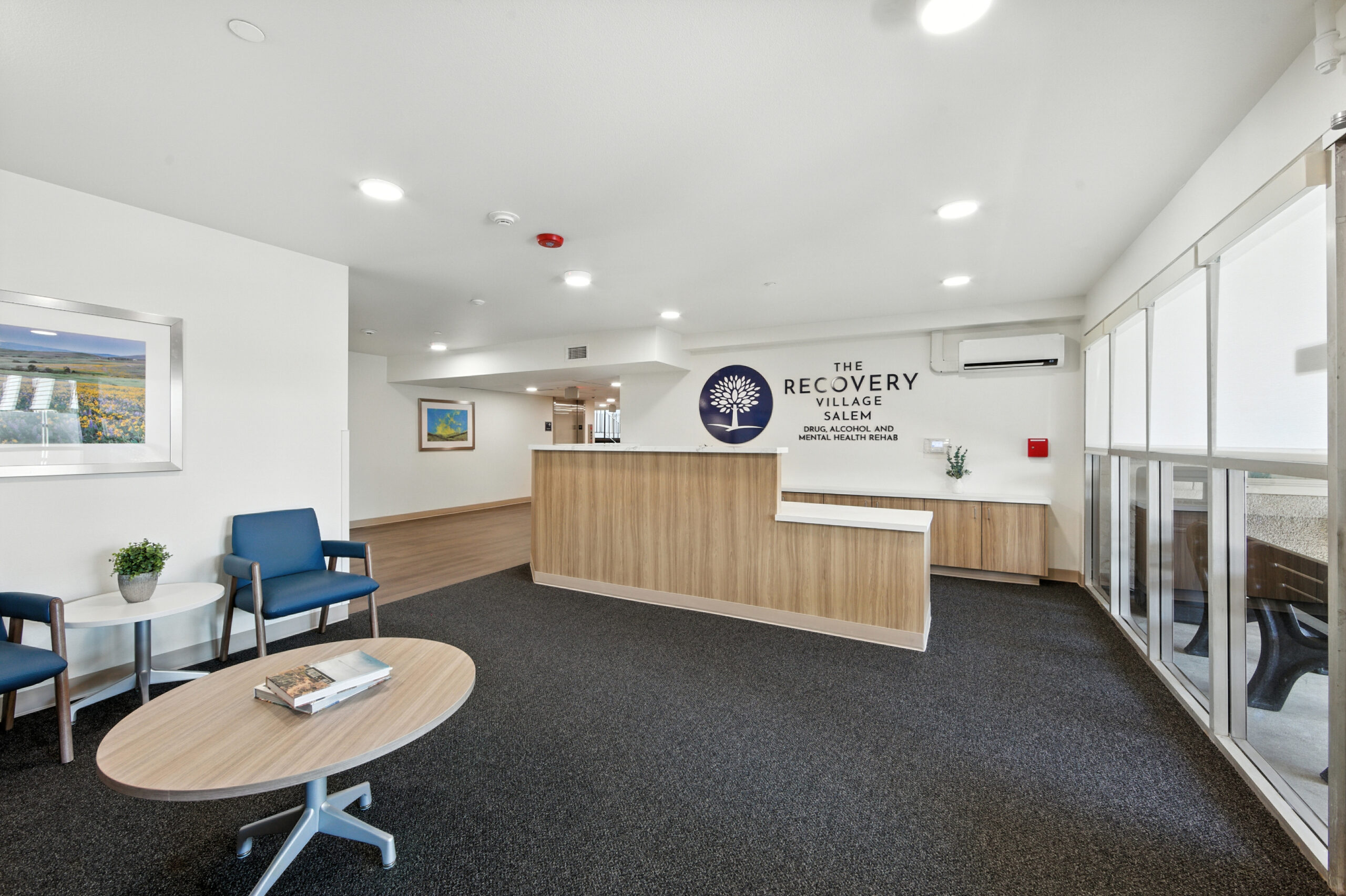
Our centers provide inpatient medical alcohol detox with 24-hour nursing and physician oversight, followed by residential, partial hospitalization, intensive outpatient and aftercare programs on the same campus. Detox typically takes three to seven days, and most patients move directly into treatment without a gap. We are in-network with most major insurance plans and verify benefits free of charge. Find a center in Florida, Georgia, Texas, Pennsylvania, Tennessee, Colorado, Washington, Oregon, Missouri, Indiana, Ohio, New Jersey, Maryland or Massachusetts, or see all locations.
What Is Alcohol Withdrawal Syndrome?
Alcohol is a central nervous system depressant. It increases the activity of GABA, the brain’s main calming signal, and suppresses glutamate, its main excitatory signal. With daily heavy drinking the brain adapts: it turns down its own GABA response and turns up glutamate to keep functioning. When alcohol is removed, that adaptation is exposed all at once. The nervous system is left overactive, which produces the tremor, sweating, racing heart, anxiety and, in severe cases, seizures and delirium that define alcohol withdrawal syndrome. Withdrawal can occur in anyone who drinks heavily every day for weeks or longer; it is not limited to people who consider themselves alcoholics.
Alcohol Withdrawal Symptoms
Mild to moderate
- Anxiety, restlessness and irritability
- Tremor (shaky hands), sweating and a rapid heartbeat
- Nausea, vomiting and loss of appetite
- Headache and insomnia
- Elevated blood pressure
- Difficulty concentrating; vivid dreams
Severe
- Withdrawal seizures, usually within the first 6 to 48 hours
- Alcoholic hallucinosis: seeing, hearing or feeling things that are not there, typically 12 to 24 hours after the last drink, with awareness otherwise intact
- Delirium tremens (DTs): severe confusion, agitation, hallucinations, fever, sweating, very high heart rate and blood pressure, usually beginning 48 to 96 hours after the last drink. DTs are a medical emergency; untreated, they can be fatal.
Severe withdrawal cannot be reliably predicted from how someone feels in the first hours, which is why an assessment by a clinician, not self-assessment, decides whether detox needs to happen in a medical setting.
Alcohol Withdrawal Timeline
- 6 to 12 hours: anxiety, tremor, sweating, nausea, insomnia and cravings begin.
- 12 to 24 hours: symptoms intensify; hallucinations can occur in some people.
- 24 to 48 hours: peak risk for withdrawal seizures; tremor, blood pressure and heart rate are often at their worst.
- 48 to 72 hours: delirium tremens can begin in people at high risk; for most others, symptoms start to ease.
- Days 4 to 7: acute symptoms resolve in most people.
- Weeks to months: some people experience post-acute withdrawal (PAWS): sleep problems, anxiety, low mood, fatigue and cravings that come and go as the brain continues to recover.
See our detailed alcohol withdrawal timeline and guide to delirium tremens.
Who Is at Risk for Severe Withdrawal?
- Daily heavy drinking for weeks, months or years, especially morning drinking
- Previous episodes of withdrawal, particularly with seizures or DTs
- Older age or poor overall health
- Liver disease, heart disease, diabetes, infections or recent surgery
- Use of benzodiazepines, opioids or other sedatives alongside alcohol
- Poor nutrition, dehydration or low electrolytes
- A history of seizures for any reason
Clinicians use these factors, plus a standardized symptom scale (CIWA-Ar), to decide the level of care.
Can You Detox From Alcohol at Home?
Sometimes, and only with a clinician’s assessment and supervision. People with mild dependence, no history of severe withdrawal, no serious medical or psychiatric conditions, no other substance use and a sober adult at home can sometimes complete an outpatient detox with prescribed medication and daily check-ins. Everyone else should detox in a medical setting. No home remedy, supplement or tapering schedule prevents seizures or DTs. Read whether you can safely detox from alcohol at home and compare inpatient vs. outpatient alcohol detox.
How Alcohol Withdrawal Is Diagnosed
A clinician takes a drinking history (how much, how often, when the last drink was, previous withdrawals), reviews medical and psychiatric history and medications, and scores current symptoms on the CIWA-Ar scale, which tracks nausea, tremor, sweating, anxiety, agitation, sensory disturbances, headache and orientation. Blood tests check electrolytes, liver function, blood sugar and, often, thiamine-related risk. The score and history determine how much medication is needed and how closely to monitor.
Alcohol Detox Treatment
Medical detox
In a detox unit, nurses check vital signs and CIWA-Ar scores every few hours for the first days. Benzodiazepines (chlordiazepoxide, diazepam or lorazepam) are the standard treatment: given on a schedule or in response to symptoms, they calm the overactive nervous system and prevent seizures and DTs. Phenobarbital is used in some settings, and adjuncts such as gabapentin or carbamazepine may be added. Thiamine (vitamin B1) is given before any glucose to prevent Wernicke encephalopathy, along with folate, multivitamins and fluids. Medications for nausea, blood pressure, heart rate and sleep round out care. Learn more about medical detox.
Inpatient vs. outpatient
Inpatient detox is recommended for anyone at moderate or high risk of severe withdrawal, with other substance use, with unstable medical or psychiatric conditions, or without a safe home. Supervised outpatient detox can work for low-risk drinkers with close prescriber follow-up.
Medications after detox
Detox ends the withdrawal; medication can then reduce the risk of returning to drinking. Naltrexone (daily tablet or monthly injection) reduces the reward from alcohol and cravings; acamprosate helps stabilize brain chemistry after drinking stops; disulfiram creates an unpleasant reaction to alcohol for people who want a deterrent. These are prescribed as part of treatment, not as a substitute for it.
What Comes After Detox
Detox alone does not treat alcohol use disorder; most people who stop at detox return to drinking. The National Institute on Drug Abuse notes that treatment participation of less than 90 days is of limited effectiveness for most people. After detox, treatment continues in residential care, partial hospitalization, intensive outpatient and outpatient programs with cognitive behavioral therapy, motivational interviewing, group and family therapy, treatment for co-occurring depression, anxiety or trauma, medication management and a written relapse prevention plan. See alcohol addiction treatment and levels of care.
Cost and Insurance
Alcohol detox and treatment are essential health benefits under the Affordable Care Act, and federal parity law requires plans to cover them comparably to medical care. Most commercial plans, Medicaid and Medicare cover medically necessary detox, inpatient and outpatient treatment; what you pay depends on your deductible, copays and network. Our admissions team will verify your benefits free of charge and explain private-pay options. Read how much rehab costs with insurance.
Can Alcohol Withdrawal Be Prevented?
The only way to avoid withdrawal is to reduce alcohol gradually under medical supervision, or to go through detox with medication that keeps symptoms controlled. Cutting back on your own from heavy daily drinking can trigger withdrawal just as stopping can. If you drink heavily and want to stop, the safest first step is a conversation with a clinician, which our admissions team can arrange the same day.
Frequently Asked Questions
How long does alcohol withdrawal last?
Acute symptoms usually begin within 6 to 12 hours, peak at 24 to 72 hours and resolve within about a week. Sleep problems, anxiety and cravings can persist for weeks.
Can alcohol withdrawal kill you?
Yes. Withdrawal seizures and delirium tremens can be fatal without treatment, which is why heavy daily drinkers should not stop abruptly without medical supervision.
What helps with alcohol withdrawal symptoms?
Medication prescribed by a clinician, fluids, thiamine and other vitamins, regular small meals, rest and a calm environment. Home remedies do not prevent severe withdrawal.
How much do you have to drink to get withdrawal?
There is no fixed threshold. Withdrawal is most likely after weeks or more of daily heavy drinking, but individual factors such as prior withdrawals and health conditions matter as much as the amount.
Does insurance cover alcohol detox?
Most plans do when it is medically necessary. Verify your coverage in minutes.