
“Levels of care” is how addiction and mental health treatment is organized, from a few hours a week of outpatient therapy to 24-hour medically managed care. Knowing the levels tells you what a program is actually offering, why an insurer authorizes one level and not another, and what “stepping down” means. This guide explains each level in plain language, who it is for, how long it typically lasts and which of our centers provide it. If you would rather have a clinician recommend a level for you, our admissions team does a free assessment by phone: verify your insurance to start.
The Levels of Care at a Glance
- Medical detox (ASAM level 3.7 / 4): 24-hour medical management of withdrawal, 3 to 10 days
- Residential / inpatient treatment (level 3): living at the facility with 24-hour support and daily therapy, typically 30 to 90 days
- Partial hospitalization (PHP) (level 2.5): 5 to 6 hours of programming, 5 days a week, living at home or in sober housing
- Intensive outpatient (IOP) (level 2.1): 9 to 12 hours a week, often evenings
- Outpatient (level 1): 1 to 3 sessions a week
- Early intervention (level 0.5): screening, education and brief counseling for at-risk use
- Aftercare / continuing care: alumni support, recovery coaching, medication management and relapse-prevention follow-up for a year or more
These levels come from the American Society of Addiction Medicine (ASAM) Criteria, which most insurers and treatment programs in the United States use to match a person to the right intensity of care.
Medical Detox
Detox manages withdrawal safely. Physicians and nurses monitor vital signs around the clock, prevent seizures and other complications, and use medication to keep withdrawal tolerable, for example benzodiazepines for alcohol withdrawal and buprenorphine for opioid withdrawal. It usually takes three to ten days and is the necessary first step for people dependent on alcohol, benzodiazepines or opioids. Detox alone is not treatment; it is followed by one of the levels below. Learn more about medical detox.
Residential and Inpatient Treatment
You live at the treatment center with 24-hour clinical support and a structured daily schedule: individual therapy, group therapy, psychiatric care, education, family sessions and recreation. Residential care is recommended for moderate-to-severe substance use disorders, co-occurring mental health conditions that need daily attention, previous relapse after outpatient care, or a home environment that makes early recovery unsafe. Stays are commonly 30 to 90 days, set by clinical progress and insurance review. See inpatient vs. residential and how long inpatient treatment lasts.
Partial Hospitalization (PHP)
The most intensive level that does not involve living at the facility: roughly five to six hours of programming, five days a week, while you live at home or in sober housing. PHP is the usual first step down from residential care and a starting point for people who need structure but have a stable, sober place to live.
Intensive Outpatient (IOP)
Nine to twelve hours a week of group and individual therapy, frequently in evening blocks so people can work or attend school. IOP is a step down from PHP, a step up from standard outpatient care, and a common entry point for mild-to-moderate problems. Many IOP programs are available by telehealth; see online counseling and telehealth.
Outpatient Treatment
One to three sessions a week with a therapist, often with psychiatric medication management, for people who are stable and need ongoing support. Outpatient care is where most people spend the longest stretch of treatment.
Early Intervention
Screening, education and brief counseling for people whose use is risky but does not meet criteria for a substance use disorder, or who are not ready for more. This is often delivered in primary care, employee assistance programs or schools.
Aftercare and Continuing Care
Alumni groups, recovery coaching, medication management (naltrexone, buprenorphine and others), sober living referrals and a written relapse prevention plan for the first year and beyond. The National Institute on Drug Abuse notes that treatment participation of less than 90 days is of limited effectiveness for most people; aftercare is how engagement continues after formal programming ends. See relapse prevention plans.
How the Level Is Chosen
Clinicians assess six dimensions: withdrawal risk, medical conditions, mental health, readiness to change, relapse risk and the living environment. The more of these that are severe, the higher the recommended level. The assessment takes about an hour, can be done by phone, and also drives what your insurer will authorize. Compare inpatient vs. outpatient rehab.
Why a Continuum of Care Matters
Most relapses happen in the gaps: after detox with no treatment, or after residential care with nothing scheduled. Programs that offer every level within one provider let you step down as you stabilize without changing clinicians, losing records or waiting for a new intake. Ask any program you are considering whether it offers the full continuum, and what happens on the day you leave.
Levels of Care at Our Centers
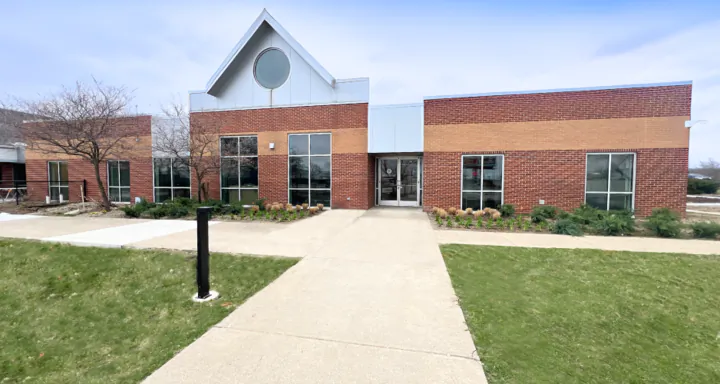
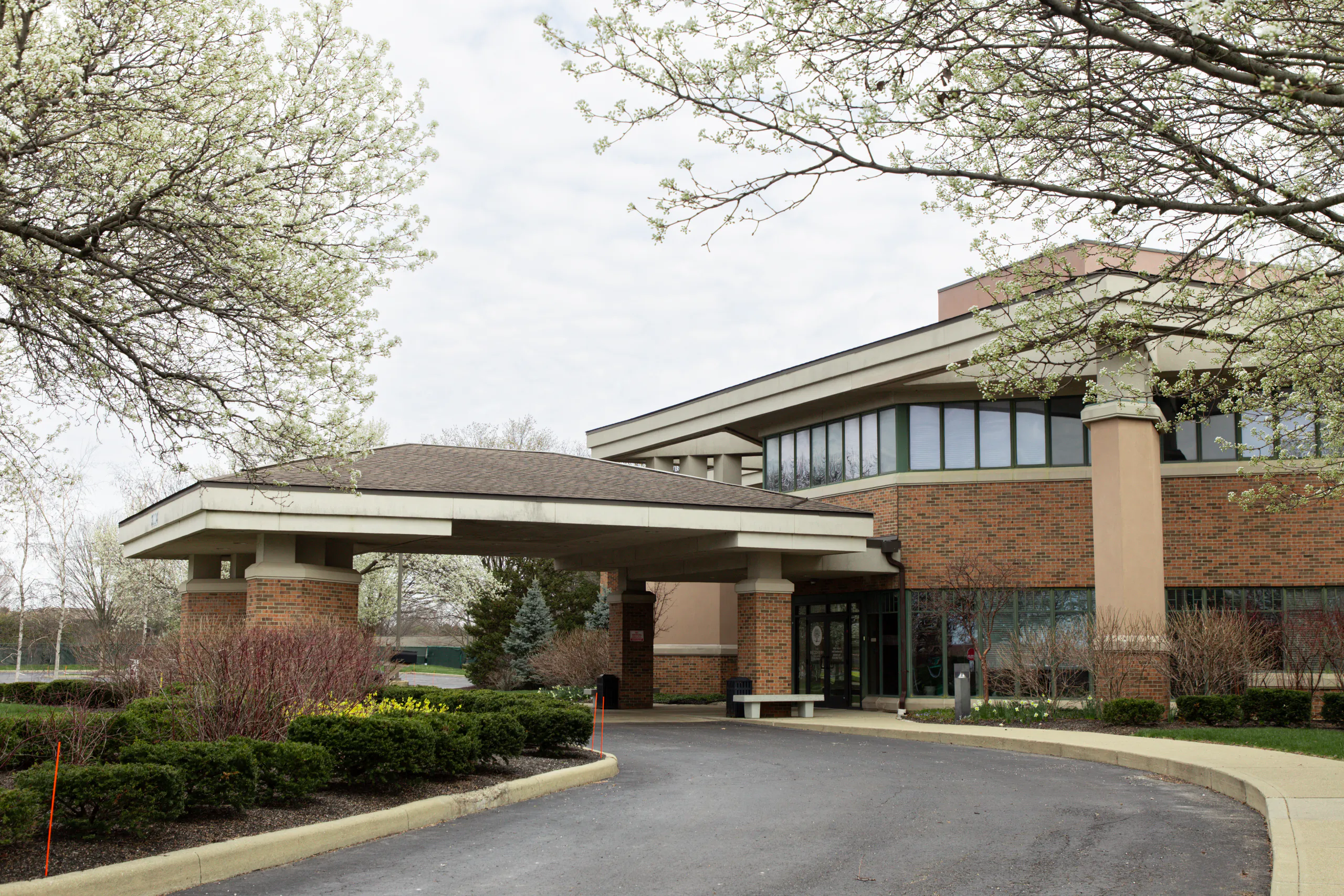
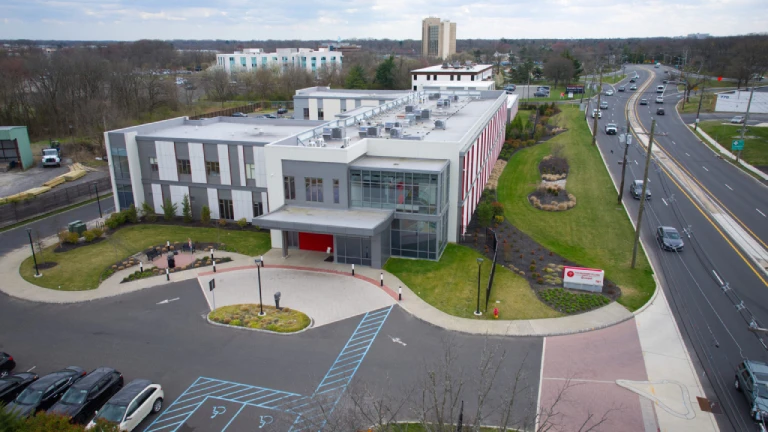
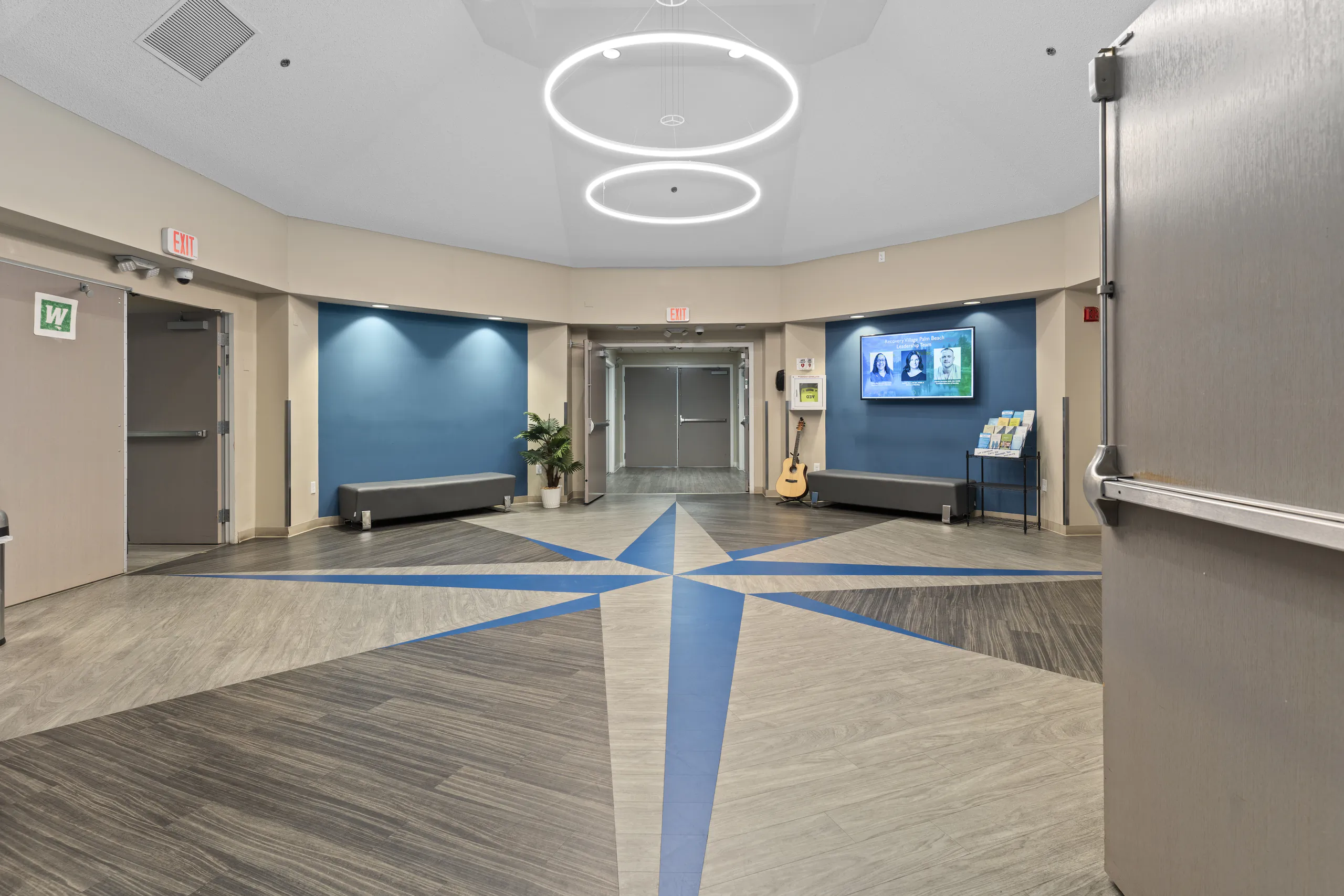
- Full continuum (detox through aftercare): Umatilla, FL · Palm Beach, FL · Atlanta, GA · Palmer Lake, CO · Cherry Hill, NJ · Columbus, OH · Ridgefield, WA · IAFF Center of Excellence, MD · The Ranch Pennsylvania · The Ranch Tennessee · Promises Brazos Valley, TX · The Right Step Houston · Washburn House, MA
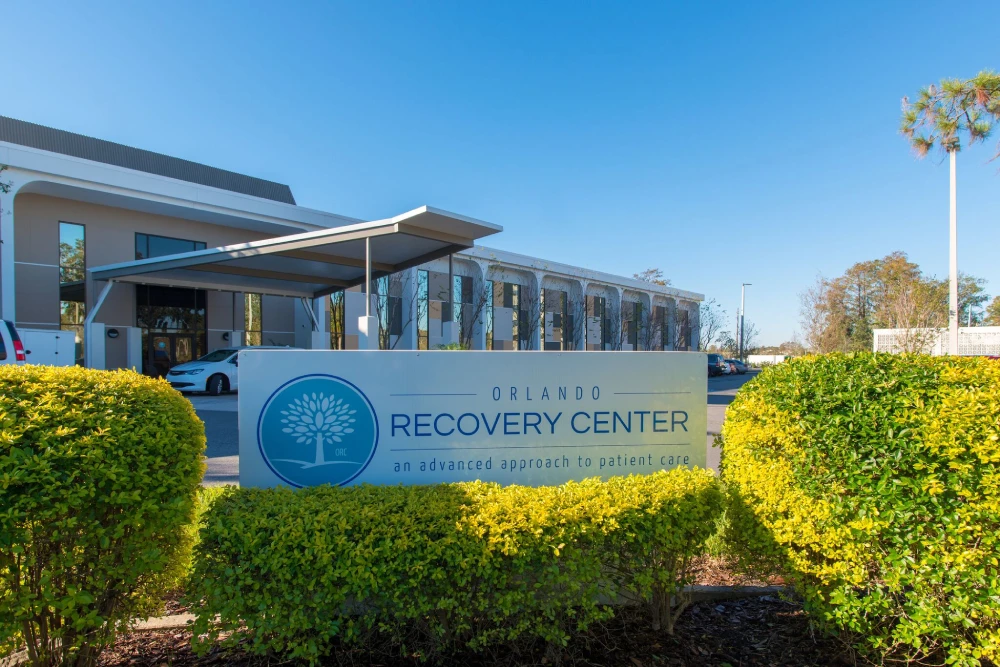
- Detox, residential and PHP: Orlando Recovery Center · South Atlanta, GA · Indianapolis, IN · Promises Dallas-Fort Worth (plus IOP and virtual)
- Detox, residential and IOP: Kansas City, MO
- Detox and inpatient: Salem, OR · Promises Atlanta (residential)
- Outpatient, IOP and telehealth: Orlando Outpatient Center · Denver Mental Health and Counseling · The Ranch Pennsylvania Outpatient Center
- Medical detox only: Ridgefield Detox Center, Vancouver, WA
Not sure which level or location fits? Call our admissions team any time for a free assessment, or verify your insurance and we will call you.
Frequently Asked Questions
What level of care do I need?
It depends on withdrawal risk, medical and mental health needs, relapse history and your living situation. A free phone assessment settles it in about an hour.
Does insurance cover every level?
Most commercial plans, Medicaid and Medicare cover all levels when medically necessary, under the Affordable Care Act and parity law. Authorization is granted level by level.
Can I skip detox and go straight to residential?
If withdrawal risk is low, yes. People dependent on alcohol, benzodiazepines or opioids usually need detox first.
How long is the whole continuum?
Commonly 90 days or more of structured care across levels, followed by a year or more of continuing care.