
“Inpatient” and “residential” are often used interchangeably, and in everyday conversation that is fine: both mean living at a treatment facility while you recover. In clinical and insurance language, though, they describe different levels of care, and the difference affects who the program is right for, how long it lasts and what your plan will authorize. This guide explains the distinction plainly so you know what you are being offered. Our admissions team can also verify your insurance and tell you which level your plan covers.
The Core Difference: Medical Intensity
In the ASAM levels of care used across the United States, inpatient (medically managed intensive inpatient, level 4) means hospital-level care with 24-hour physician availability and nursing, used for medically complicated withdrawal or acute psychiatric crises. Residential (levels 3.1 through 3.7) means living at a treatment facility with 24-hour staffing and structured programming, with medical and psychiatric services on site or on call but not at hospital intensity. Many treatment centers, including ours, provide medical detox and residential treatment on the same campus, which is why people experience them as one “inpatient” stay.
Inpatient Treatment
- Setting: hospital or medically managed detox unit
- Staffing: physicians and nurses 24 hours a day
- Purpose: stabilize dangerous withdrawal (alcohol, benzodiazepines, complicated opioid cases), treat acute medical or psychiatric conditions
- Length: usually days to about two weeks
- What it feels like: clinical; frequent monitoring, medication adjustments, rest
See medical detox for what this stage involves.
Residential Treatment
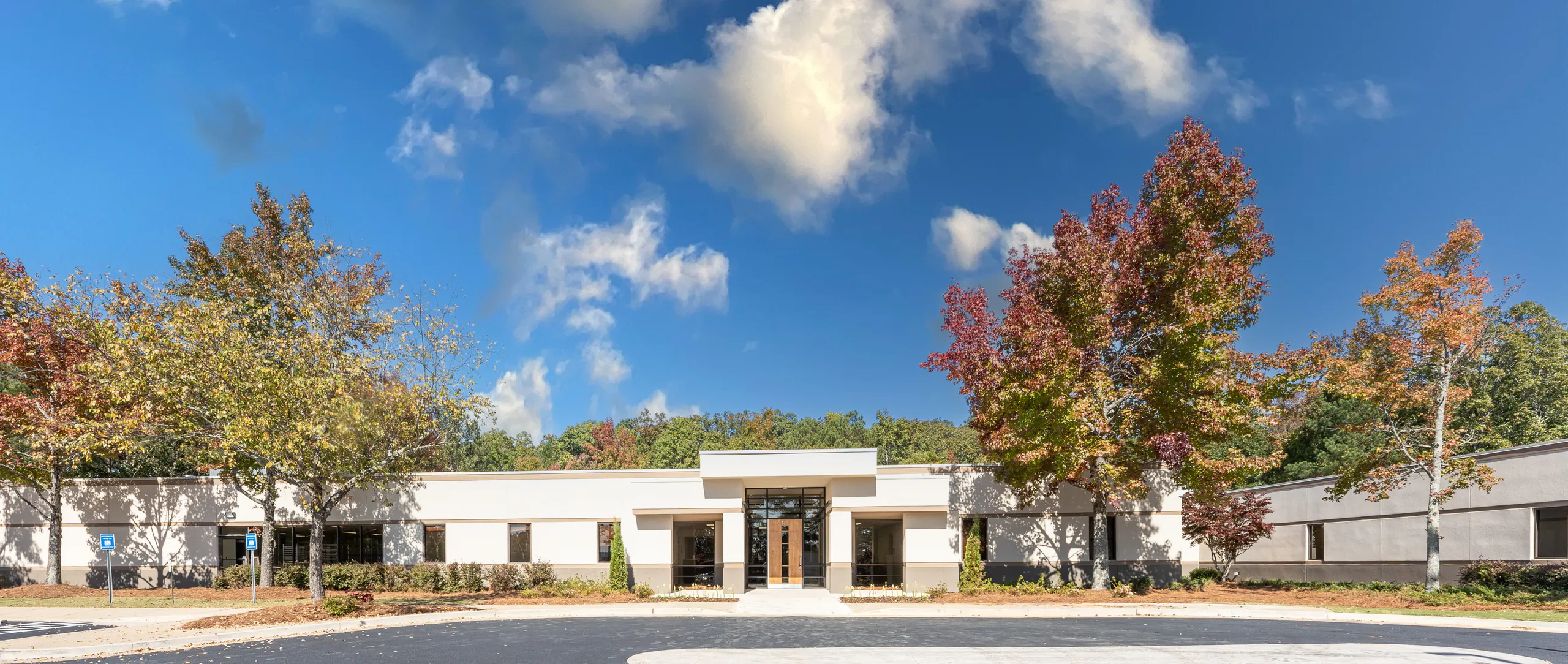
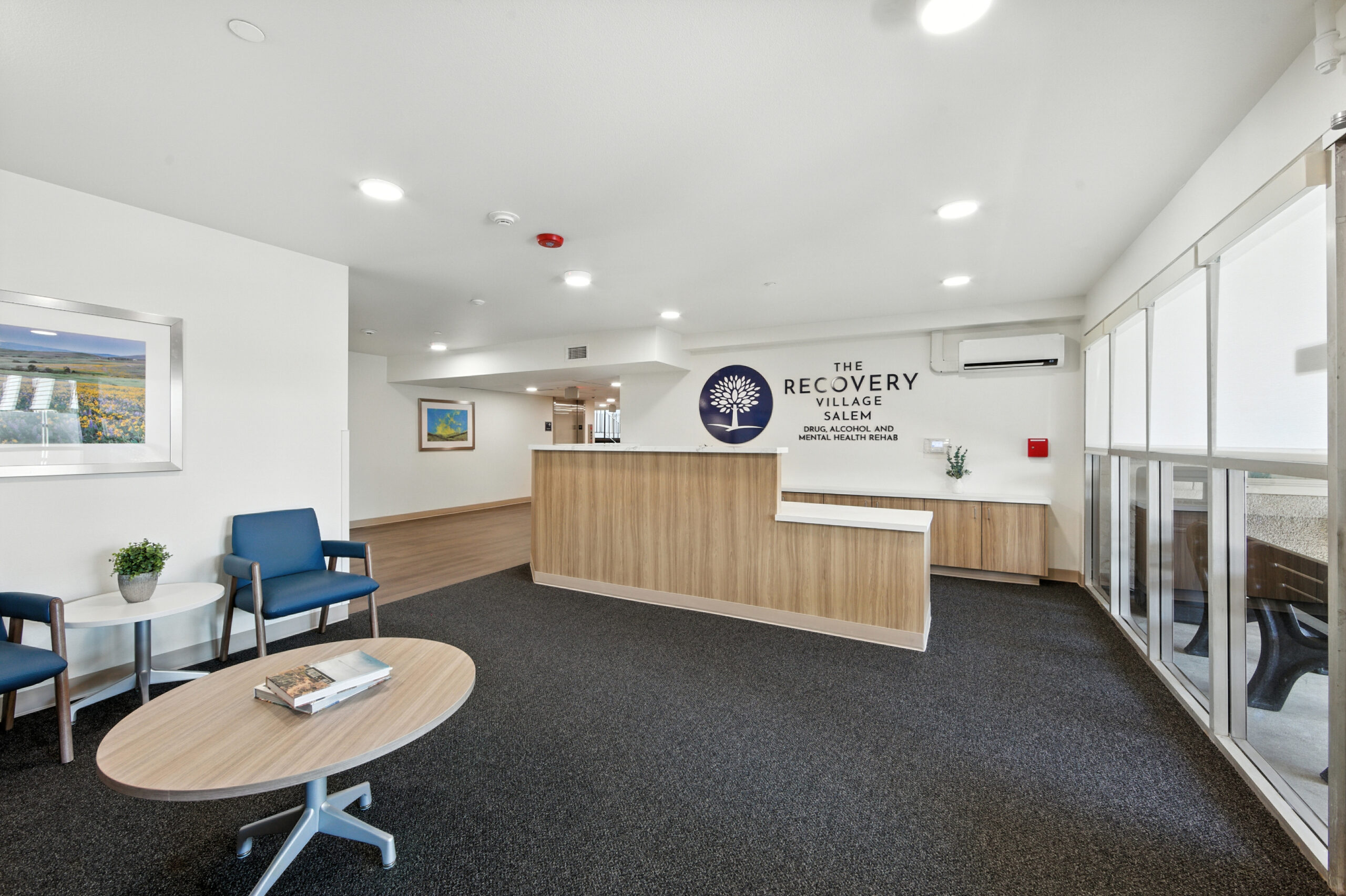
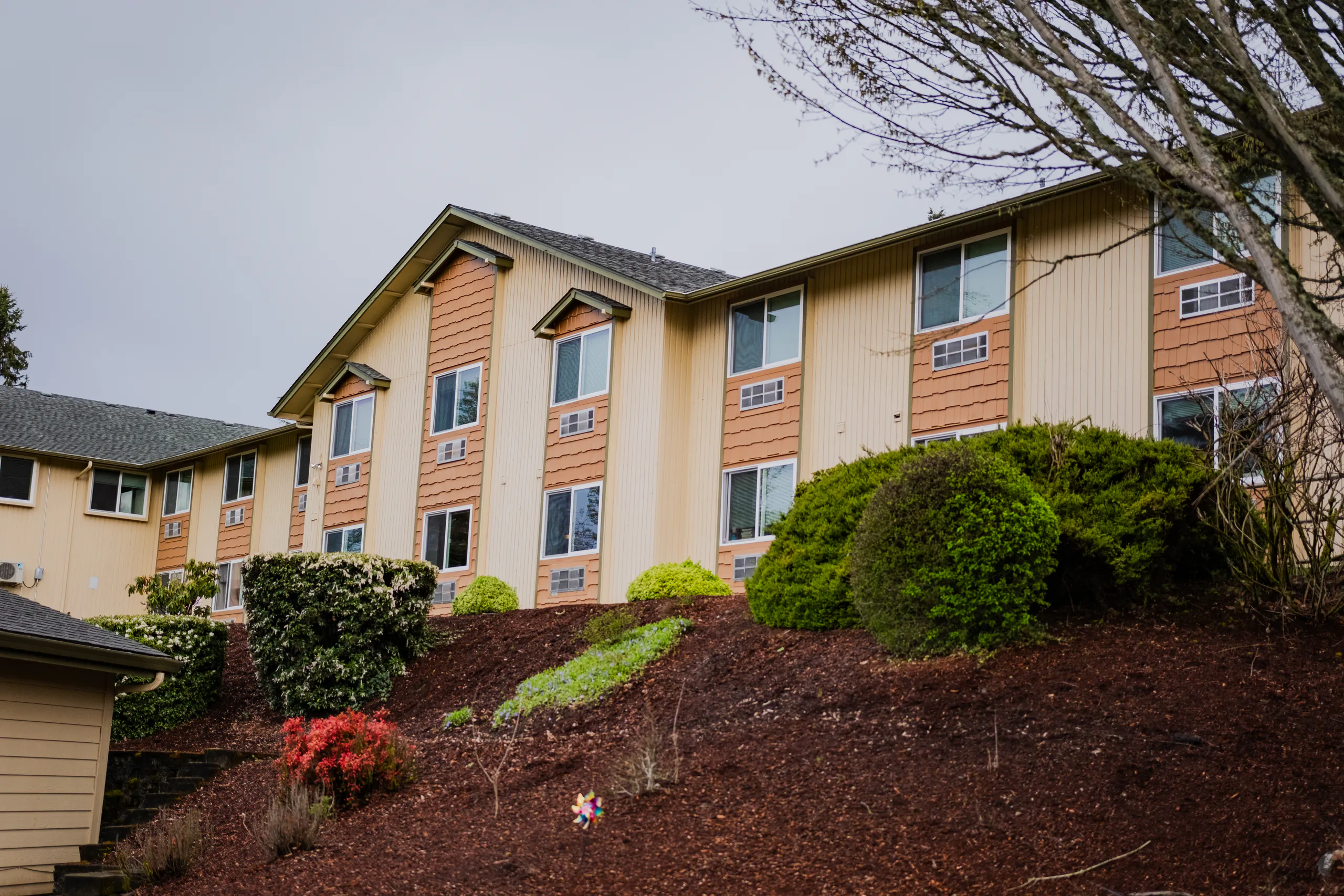
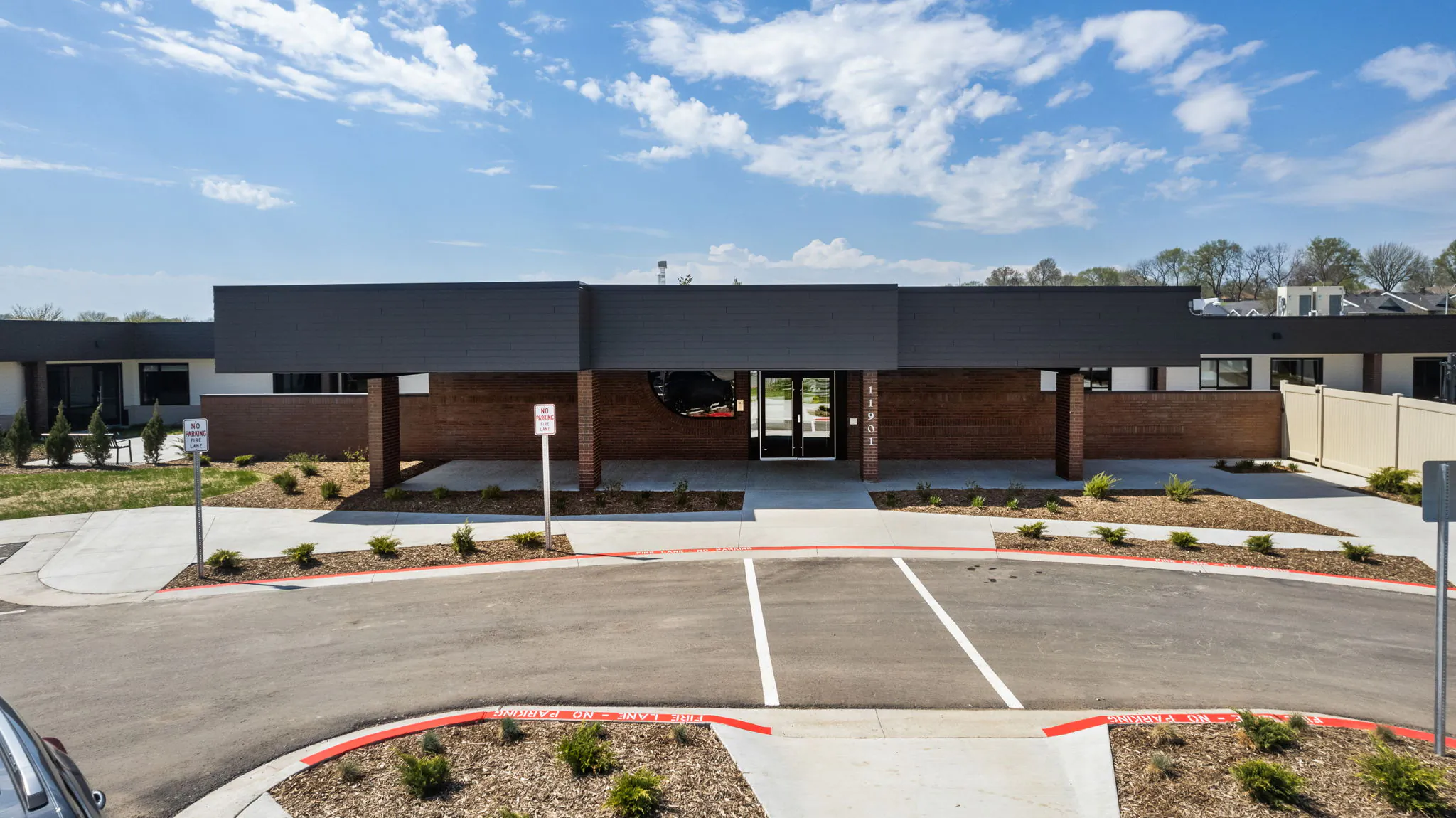
- Setting: a treatment campus with housing, meals and shared spaces
- Staffing: counselors and support staff 24 hours a day, with medical and psychiatric providers on site or on call
- Purpose: daily therapy and skills work in a structured, substance-free environment after stabilization
- Length: commonly 30 to 90 days
- What it feels like: a full schedule of individual and group therapy, education, recreation and community
How to Tell Which One You Are Being Offered
- Ask whether physicians and nurses are on site around the clock, or on call.
- Ask whether the program can manage alcohol or benzodiazepine withdrawal on site.
- Ask how the program bills: hospital-based inpatient care and residential care are authorized differently by insurers.
- Ask what happens after detox: is residential treatment on the same campus, or a referral elsewhere?
Which Is Right for You?
Most people who need to live at a facility need both, in order: a short period of medically managed detox, then weeks of residential treatment. You are more likely to need the hospital-level inpatient stage if you drink heavily every day, use benzodiazepines, have had withdrawal seizures, have serious medical conditions, or are in psychiatric crisis. You may be able to enter residential treatment directly if withdrawal risk is low (for example, after a stimulant or cannabis use disorder without other substances), or if you have already completed detox elsewhere. An assessment settles this in an hour.
Cost and Insurance
Hospital-level inpatient care costs more per day than residential care, and insurers authorize it in shorter blocks based on medical necessity. Residential treatment is authorized in longer stretches with periodic reviews. Both are covered benefits under most commercial plans, Medicaid and Medicare under the Affordable Care Act and parity law; your cost depends on your deductible, copays and network. Our admissions team will verify your benefits free of charge and explain what your plan will authorize. Read more about how much rehab costs.
Key Differences at a Glance
- Medical intensity: hospital-level vs. 24-hour supportive care
- Main purpose: stabilization vs. treatment and skills
- Typical length: days vs. weeks to months
- Who it is for: dangerous withdrawal or acute crisis vs. anyone who needs structure and separation from triggers
- Where it happens: often the same campus, in sequence
Inpatient and Residential Care at The Recovery Village and Promises
Our centers provide medical detox and residential treatment on the same campus, followed by partial hospitalization, intensive outpatient and aftercare, so the transition between levels happens with the same clinical team. Find a center in Georgia, Florida, Texas, Pennsylvania, Tennessee, Colorado, Washington, Oregon, Missouri, Indiana, Ohio, New Jersey, Maryland or Massachusetts, or see all locations.
Frequently Asked Questions
Is residential rehab the same as inpatient rehab?
In everyday use, yes. Clinically, inpatient refers to hospital-level medical care and residential to 24-hour supportive care at a treatment facility. Most stays include both.
How long is residential treatment?
Commonly 30 to 90 days, set by clinical progress and insurance authorization.
Can I go straight to residential treatment without detox?
If withdrawal risk is low or you have already completed detox, often yes. An assessment determines this.
Does insurance cover residential treatment?
Most plans do when it is medically necessary. Verify your coverage to find out what your plan authorizes.