
Not every substance requires medical detox, but three classes do, because stopping them abruptly can be dangerous: alcohol, benzodiazepines and, for different reasons, opioids. Several others call for supervision because of what withdrawal does to the mind or because of what people mix them with. This guide lists which drugs require medically assisted detox, why, what the withdrawal looks like, which medications are used and how long each takes. If you are unsure which category you fall into, a free phone assessment settles it: verify your insurance and our team will call you.
Drugs That Require Medical Detox
Alcohol
Why: withdrawal seizures (usually within 6 to 48 hours) and delirium tremens (48 to 96 hours) can be fatal. Symptoms: tremor, sweating, anxiety, rapid heart rate, nausea, insomnia, hallucinations, seizures, delirium. Treatment: benzodiazepines to prevent seizures and DTs; thiamine, folate and fluids; medications for blood pressure, nausea and sleep. Length: three to seven days. See alcohol withdrawal and detox.
Benzodiazepines (Xanax, Klonopin, Valium, Ativan) and other sedatives
Why: abrupt discontinuation after regular use can cause seizures and delirium, similar to alcohol; short-acting drugs like alprazolam produce faster, sharper withdrawal. Symptoms: rebound anxiety and insomnia, tremor, rapid heart rate, sensory sensitivity, hallucinations, seizures. Treatment: a physician-managed taper, often after switching to a long-acting benzodiazepine, with anticonvulsants or beta-blockers as adjuncts. Length: one to two weeks of acute care; the taper may continue for weeks to months. Barbiturates and other sedatives carry the same risk. See benzodiazepine withdrawal and detox.
Opioids (heroin, fentanyl, oxycodone, hydrocodone, methadone, buprenorphine)
Why: withdrawal is rarely life-threatening by itself, but it is severe enough that few people complete it alone, dehydration can become serious, and tolerance drops fast, which makes overdose risk highest in the days after stopping. Medical detox also allows medication for opioid use disorder to begin, which substantially lowers relapse and overdose risk. Symptoms: aches, sweating, chills, anxiety, insomnia, nausea, vomiting, diarrhea, cravings. Treatment: buprenorphine (started once withdrawal begins) or methadone; clonidine or lofexidine; anti-nausea, anti-diarrheal and sleep medications; naltrexone after an opioid-free period for those who choose it; naloxone at discharge. Length: five to ten days for most opioids; fentanyl can lengthen it; methadone one to three weeks. See heroin withdrawal and medication options.
Drugs That Usually Need Supervised Detox
Stimulants (cocaine, crack, methamphetamine, Adderall, Ritalin)
Why: not physically dangerous, but the crash can bring severe depression, suicidal thoughts and, with methamphetamine, psychosis. Treatment: monitoring, rest, nutrition, symptomatic medication for agitation, insomnia and depression; antipsychotics short-term if psychosis is present. Length: three to seven days of stabilization.
Gabapentinoids (gabapentin, pregabalin/Lyrica)
Why: withdrawal can include agitation, confusion and, rarely, seizures, particularly at high doses or when combined with opioids. Treatment: a gradual taper under supervision.
Sleep medications (Ambien, Lunesta) and muscle relaxants (Soma)
Why: these act on similar systems to benzodiazepines; rebound insomnia, anxiety and, at high doses, seizures can occur. Treatment: taper and symptomatic care.
Kratom
Why: opioid-like withdrawal with heavy use. Treatment: similar to opioid withdrawal; buprenorphine is sometimes used.
Synthetic cannabinoids (K2/Spice) and synthetic cathinones (bath salts)
Why: agitation, psychosis and dangerous vital-sign changes can occur during intoxication and withdrawal. Treatment: monitoring and symptomatic medication.
Drugs That Rarely Need Medical Detox on Their Own
Cannabis, hallucinogens (LSD, psilocybin) and MDMA do not typically produce medically dangerous withdrawal, though irritability, sleep problems and low mood are common when stopping heavy cannabis use. People using these substances alongside alcohol, benzodiazepines or opioids still need medical detox for the other substance, and anyone with a co-occurring mental health condition benefits from a supervised setting.
Why Mixing Changes Everything
The most dangerous detoxes involve more than one substance: alcohol with benzodiazepines, opioids with benzodiazepines, or stimulants with either. Each combination changes the medication plan and raises the risk of complications, which is why medical detox begins with a drug screen and an honest history. Today’s drug supply adds another variable: fentanyl and xylazine appear in heroin, counterfeit pills and stimulants, so people who believe they were using one drug may be withdrawing from another.
What Medical Detox Involves
Assessment by a physician; 24-hour nursing; monitoring with standardized withdrawal scales; medication to prevent complications and relieve symptoms; hydration, vitamins and nutrition; treatment of medical and psychiatric conditions; and a plan for the next level of care. Detox alone is not treatment, and most people move directly into residential or outpatient programs. Learn more about medical detox and what to expect in inpatient detox.
Medical Detox at The Recovery Village and Promises
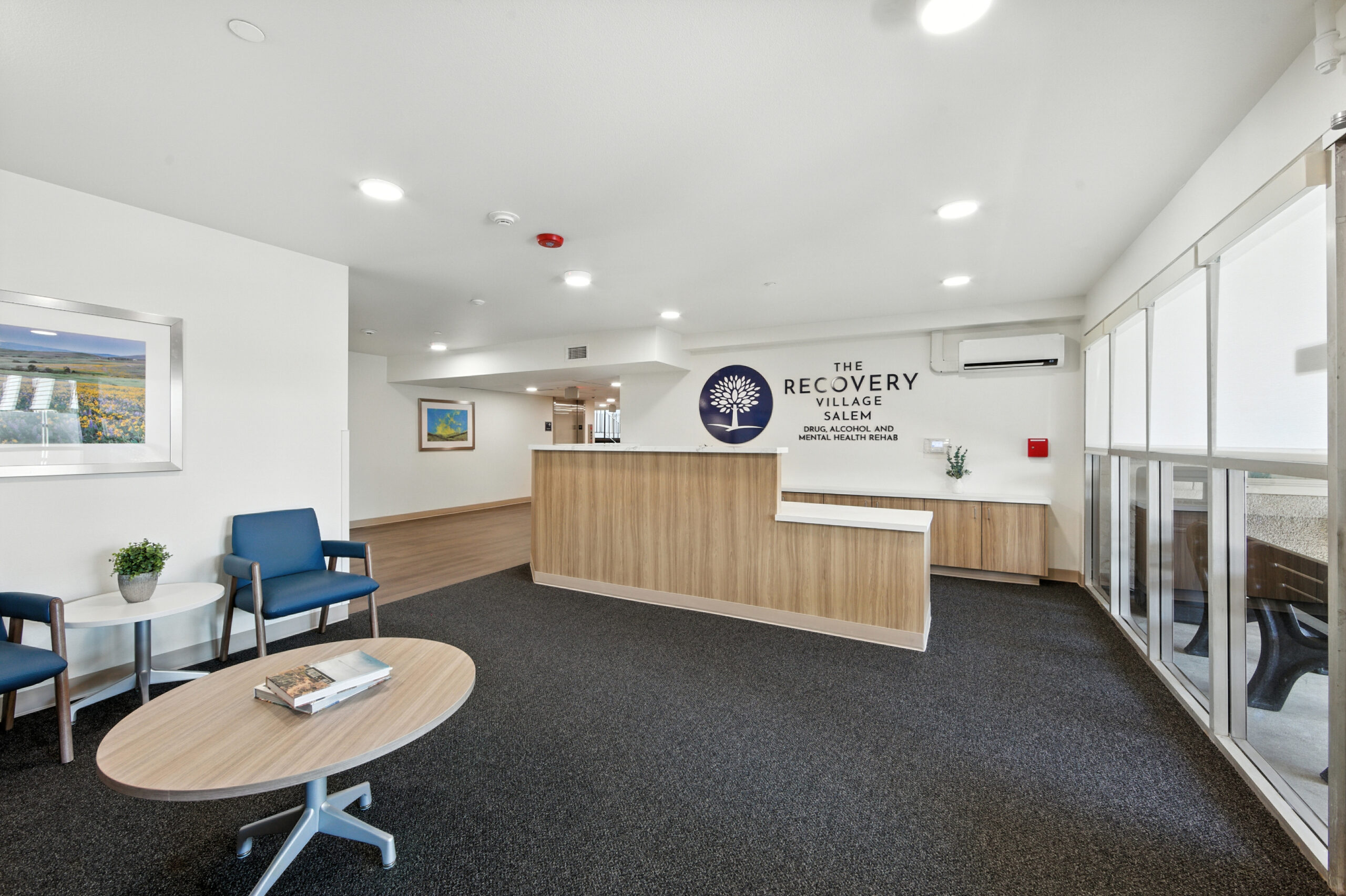
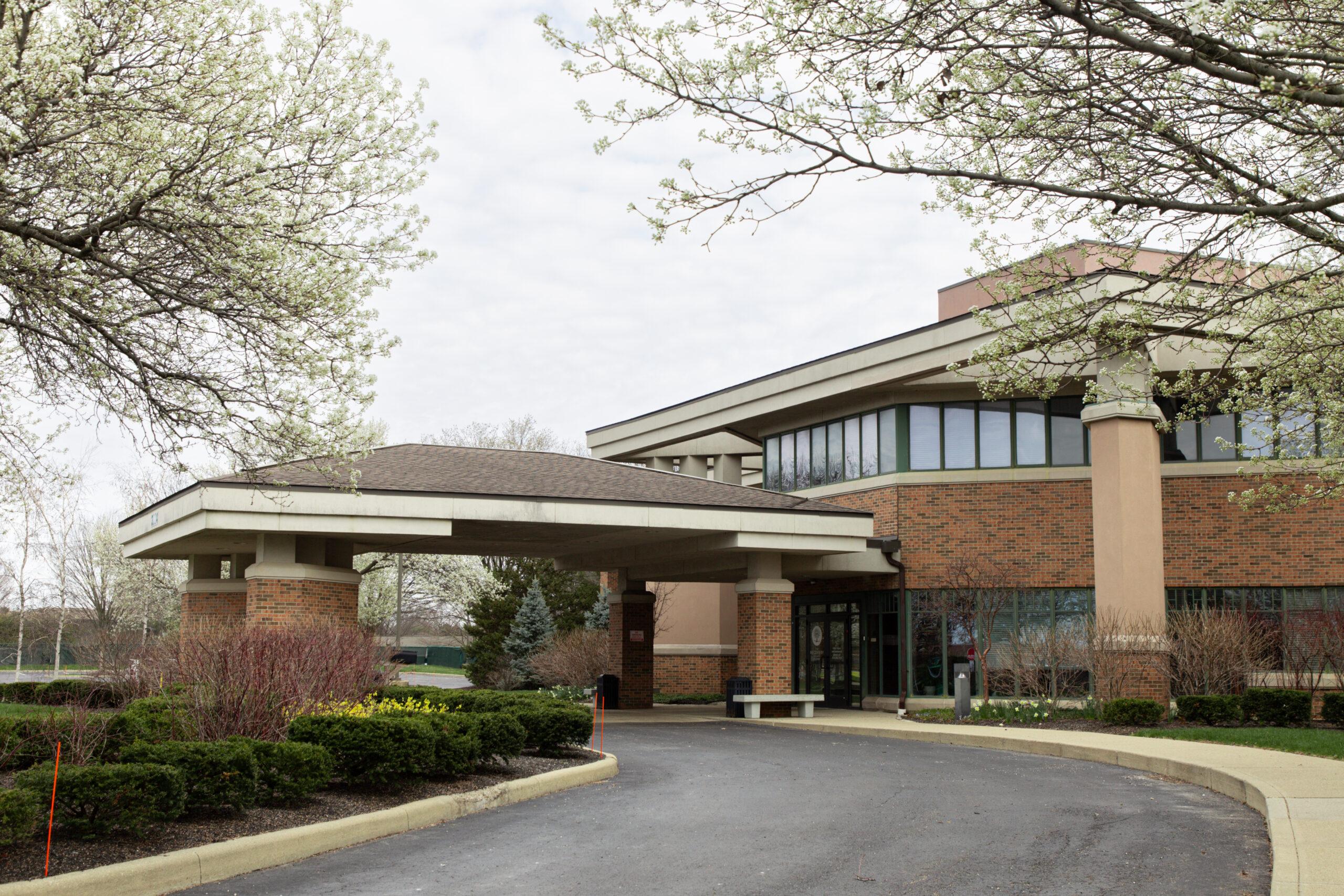
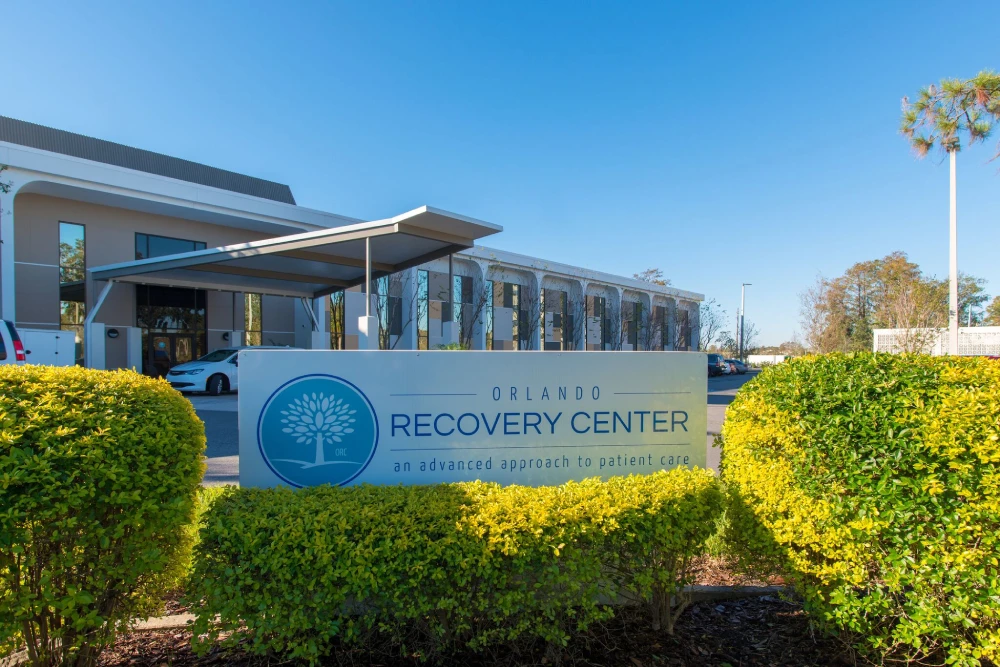
Our centers provide medical detox for alcohol, benzodiazepines, opioids, stimulants and polysubstance use with 24-hour nursing and physician oversight, followed by residential, partial hospitalization, intensive outpatient and aftercare programs. Most insurance plans cover medically necessary detox; our admissions team will verify your benefits free of charge. See all locations.
Frequently Asked Questions
Which drug withdrawal is the most dangerous?
Alcohol and benzodiazepines, because withdrawal can cause seizures and delirium. Opioid withdrawal is rarely fatal by itself but carries a high overdose risk afterward.
Do I need detox for cannabis?
Usually not medically, though supervised support helps with sleep, mood and any co-occurring substance use.
How long does medical detox take?
Three to ten days for most substances; benzodiazepines and methadone can take longer.
Does insurance cover medical detox?
Most plans do when it is medically necessary. Verify your coverage in minutes.