
Online counseling, sometimes called telehealth or teletherapy, lets you meet with a licensed therapist, counselor or psychiatric provider by secure video or phone instead of in an office. For addiction and mental health care it has moved from a stopgap to a standard part of treatment: outpatient therapy, intensive outpatient programs, medication management and aftercare are all routinely delivered online. This guide explains what online treatment is, what it can and cannot do, who it fits, how privacy and insurance work, and how our telehealth programs operate. To get started, verify your insurance or call our admissions team.
What Online Counseling and Telehealth Include
- Individual therapy by video with a licensed clinician, using the same evidence-based approaches as in-person care (cognitive behavioral therapy, motivational interviewing, trauma-focused therapy).
- Group therapy in secure video groups, the backbone of intensive outpatient programs.
- Psychiatric care and medication management, including prescribing and monitoring of medications for depression, anxiety and, where permitted, buprenorphine for opioid use disorder.
- Virtual intensive outpatient programs (IOP) that deliver roughly nine hours a week of group and individual treatment from home.
- Aftercare and alumni support after residential treatment, so care continues without travel.
- Family sessions that let relatives join from anywhere.
What Telehealth Cannot Replace
Online care is outpatient care. It is not appropriate for medically risky withdrawal (alcohol, benzodiazepines, complicated opioid cases need medical detox), for psychiatric emergencies, or for people who cannot stay safe and sober at home between sessions. In those situations, telehealth is the step that follows inpatient treatment, not the substitute for it. Compare inpatient vs. outpatient care.
Who Online Treatment Fits
- People with mild-to-moderate substance use or mental health conditions and a stable, supportive home
- People stepping down from residential or partial hospitalization care
- Working professionals, students and parents who cannot attend daytime sessions
- People in rural areas or far from a treatment center
- People with mobility, transportation or child-care barriers
- People who want privacy and are more comfortable opening up from home
Does Online Therapy Work for Addiction?
Research on telehealth for substance use disorders has found outcomes comparable to in-person outpatient care for retention, abstinence and satisfaction, particularly for cognitive behavioral therapy and medication treatment for opioid use disorder. What matters most is the same as in person: a licensed clinician, an evidence-based approach, enough intensity for the severity of the problem, and staying engaged long enough. Many people find they attend more consistently online because the barriers are lower.
Privacy and Security
Telehealth sessions at reputable providers use HIPAA-compliant video platforms with encryption, and your records are protected by federal confidentiality rules that are stricter for substance use treatment than for general medical care. You can help by using headphones, a private room and a personal (not employer-owned) device.
Pros and Cons at a Glance
Advantages
- No travel; sessions fit around work and family
- Access to specialists regardless of location
- Continuity when you move or travel
- Often easier to start, which matters when motivation is fragile
Limitations
- Not suitable for detox or crises
- Requires a private space and reliable internet
- Some people engage better in a room with peers
- Prescribing rules for controlled medications vary by state
Insurance Coverage for Telehealth
Most commercial plans, Medicaid and Medicare cover telehealth for behavioral health at the same rates as in-person care, and federal parity law applies. Coverage details vary by plan and state, so let us verify your benefits before you begin.
Online Counseling and Telehealth at The Recovery Village and Promises
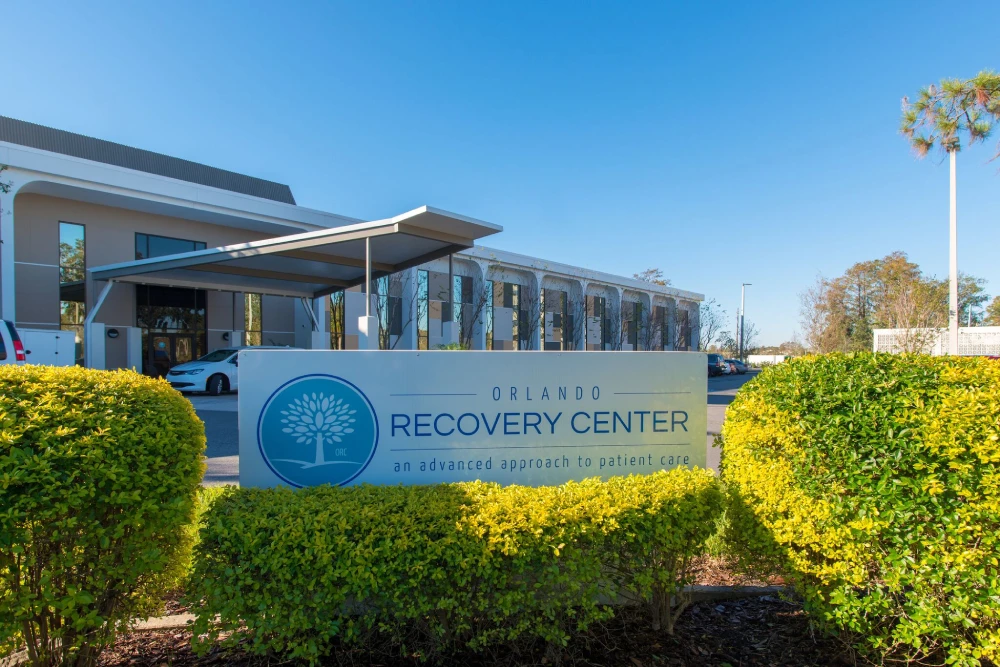
We offer virtual outpatient and intensive outpatient programs, online individual and group therapy, telehealth psychiatric care and virtual aftercare for people across the states we serve, delivered by the same licensed clinicians who staff our centers. Our Orlando Outpatient Center and Denver Mental Health and Counseling anchor our outpatient and telehealth services, and our residential centers step clients down into virtual care after discharge. Verify your insurance or call to ask about availability in your state.
Frequently Asked Questions
Is online addiction counseling as effective as in person?
For outpatient levels of care, research finds comparable outcomes. It is not a substitute for detox or residential treatment when those are needed.
Can I get medication through telehealth?
Yes for many medications, including antidepressants and, subject to state and federal rules, buprenorphine for opioid use disorder. Some medications require an in-person visit.
What do I need?
A smartphone, tablet or computer with a camera, a reliable connection and a private space.
Does insurance cover telehealth?
Most plans do at parity with in-person care. Verify your coverage in minutes.