
If you are in immediate danger or thinking about ending your life, call or text 988 (the Suicide and Crisis Lifeline) or call 911 now. Depression hotlines are free, confidential and available 24 hours a day, and you do not have to be in crisis to call one. This guide lists the national lines, explains what happens when you call, how to know when it is time for treatment rather than a call, and how to get help for depression that is not going away. If you would rather talk to someone about treatment options, our admissions team is available any time.
National Depression and Crisis Hotlines
- 988 Suicide and Crisis Lifeline: call or text 988, or chat at 988lifeline.org. Free, confidential, 24/7, for anyone in emotional distress or worried about someone else. Spanish available; veterans press 1.
- Crisis Text Line: text HOME to 741741 to reach a trained crisis counselor by text, 24/7.
- SAMHSA National Helpline: 1-800-662-4357 (HELP), free, confidential, 24/7 treatment referral and information for mental health and substance use, in English and Spanish.
- Veterans Crisis Line: call 988 and press 1, text 838255, or chat online.
- The Trevor Project (LGBTQ+ youth): 1-866-488-7386, or text START to 678678.
- National Maternal Mental Health Hotline: 1-833-852-6262 for pregnancy and postpartum depression, 24/7.
- Trans Lifeline: 1-877-565-8860.
- Disaster Distress Helpline: 1-800-985-5990 for distress after natural or human-caused disasters.
- The Recovery Village: our admissions line is available 24/7 for anyone considering treatment for depression, co-occurring conditions or substance use.
When Should You Call a Depression Hotline?
- You are having thoughts of suicide or self-harm, even if you do not plan to act on them
- You feel hopeless, numb or overwhelmed and need to talk to someone now
- You are worried about a friend or family member
- You are not sure whether what you are feeling is depression
- You want to know what treatment options exist and how to access them
- You are in recovery from substance use and depression is threatening your sobriety
You do not have to be in crisis. Many people call simply because the weight of the day is too much to carry alone.
What Happens When You Call
A trained counselor answers, listens, and asks a few questions to understand what is going on and whether you are safe. They may ask directly about suicidal thoughts; answering honestly helps them help you. Together you will talk through what you are feeling, what might help tonight, and what resources exist. Calls are confidential; counselors involve emergency services only when there is an immediate risk to life. You can hang up at any time, and you can call back as often as you need.
Questions You Might Be Asked
- What is going on right now, and how are you feeling?
- Are you having thoughts of hurting yourself or ending your life?
- Do you have a plan or the means to act on those thoughts?
- Have you been drinking or using drugs today?
- Who is with you, or who could be with you?
- What has helped in the past?
Benefits of Calling
- Immediate, judgment-free support from someone trained to help
- A safety plan for tonight, and a next step for tomorrow
- Referrals to local therapists, psychiatrists, support groups and treatment programs
- Help for family members who do not know what to do
- A confidential space to say things you cannot say to people who know you
When a Hotline Is Not Enough: Getting Treatment for Depression
Hotlines help people through moments. Depression that lasts weeks, keeps returning, or comes with substance use, trauma or thoughts of suicide needs treatment. Effective options include psychotherapy (cognitive behavioral therapy, interpersonal therapy, behavioral activation), antidepressant medication, treatment for co-occurring substance use, and, for severe or treatment-resistant depression, intensive programs such as partial hospitalization, intensive outpatient care or inpatient mental health treatment, where safety, medication changes and daily therapy can be managed together. Learn about inpatient mental health treatment and depression.
Depression Treatment at The Recovery Village and Promises
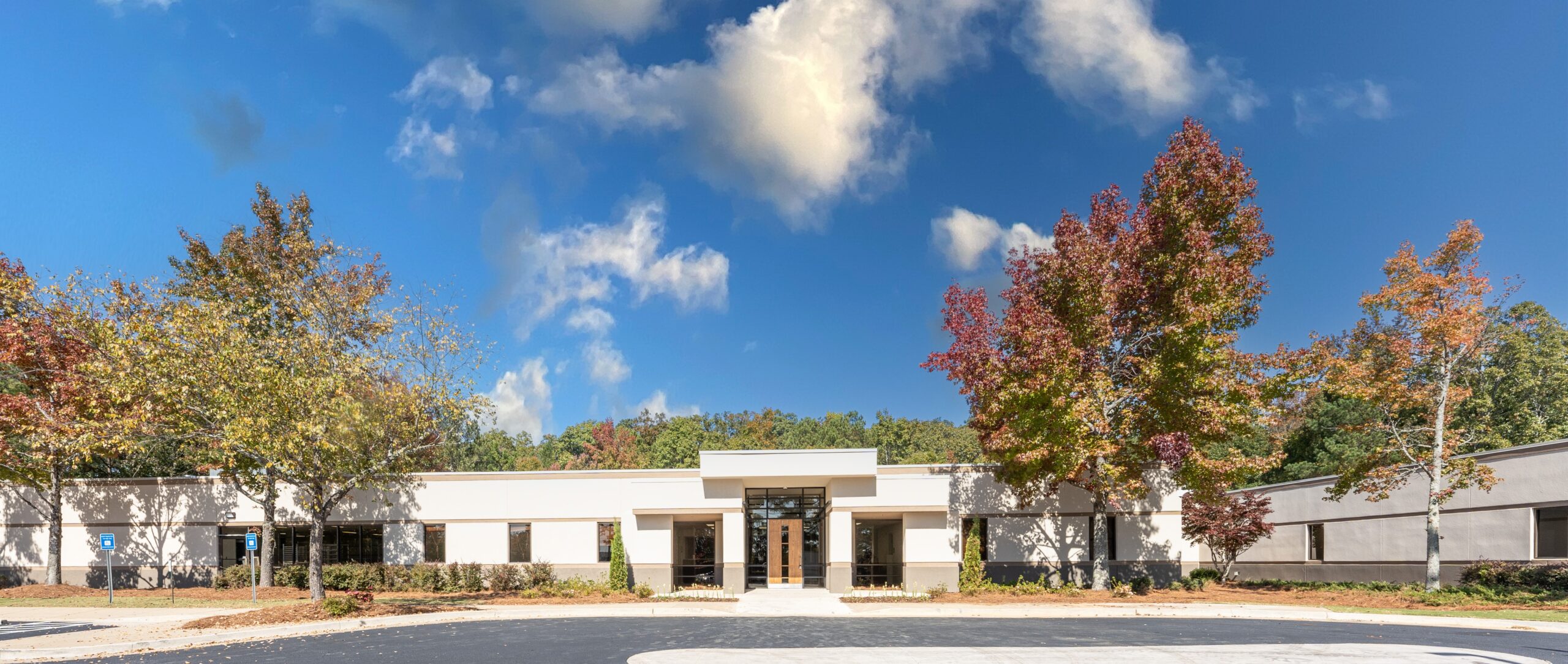
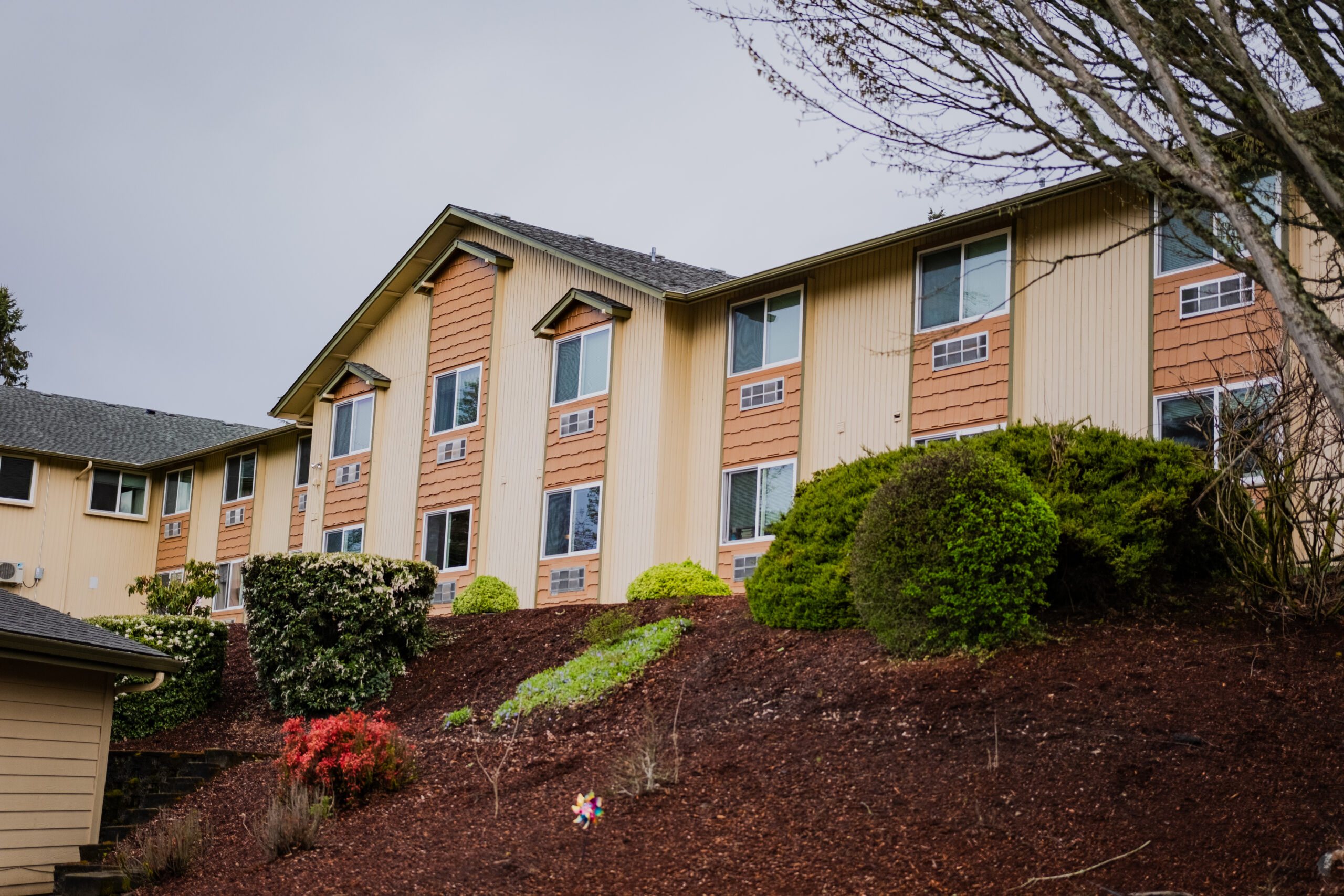
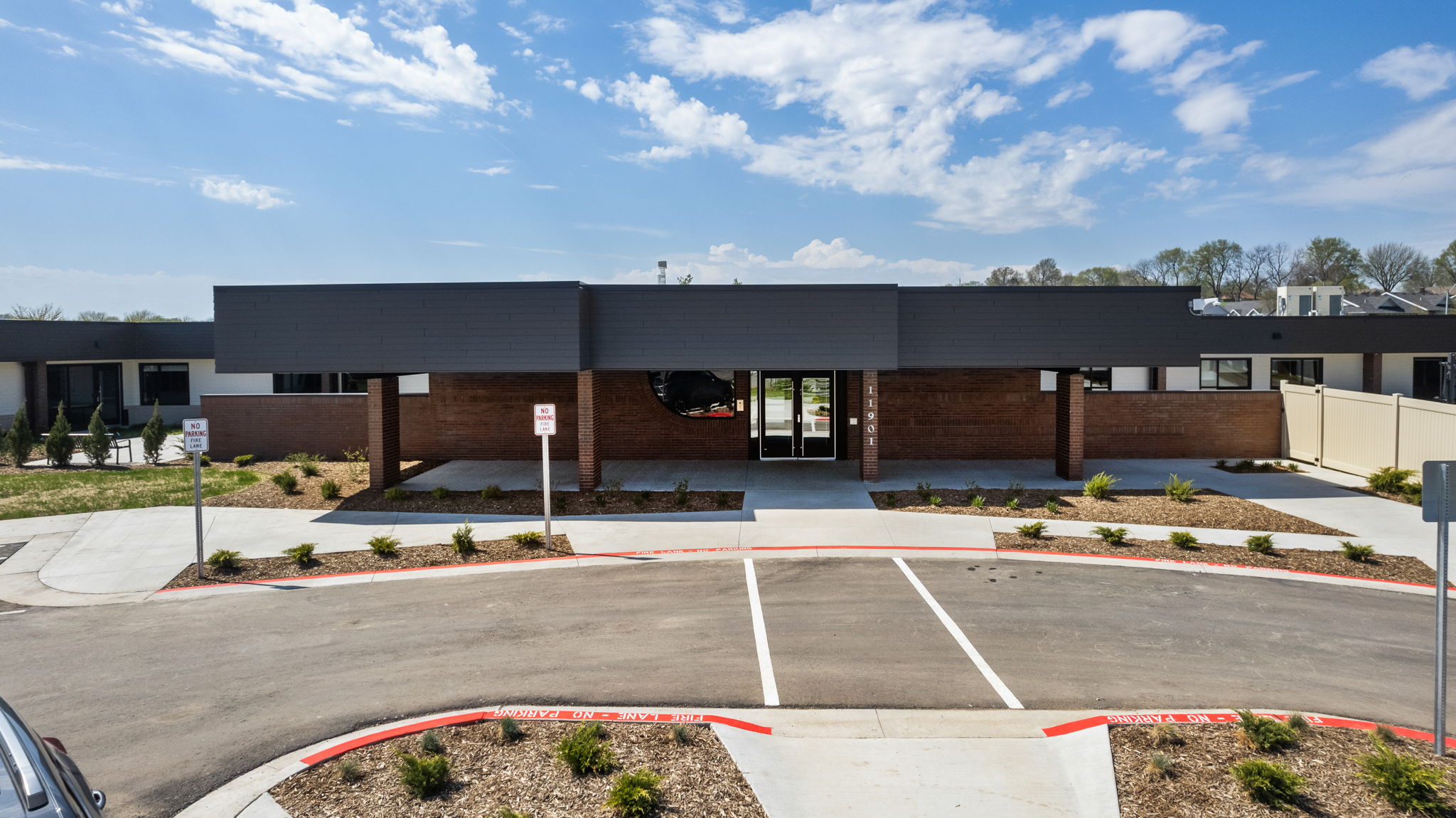
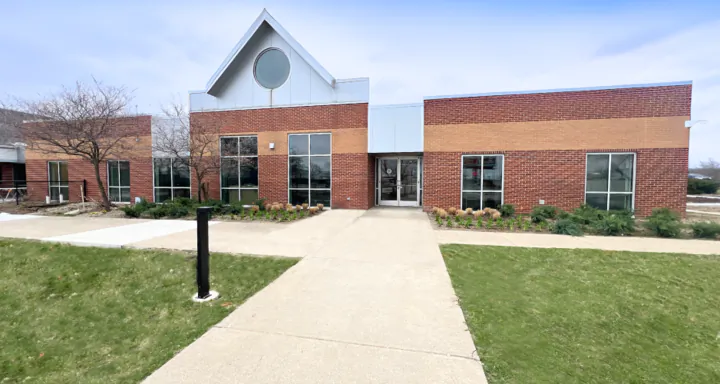
Our centers provide inpatient and residential mental health treatment, partial hospitalization, intensive outpatient and outpatient care for depression and co-occurring substance use, with psychiatric providers, evidence-based therapy and aftercare planning. Find a center in Florida, Georgia, Texas, Pennsylvania, Tennessee, Ohio, Missouri, Colorado and other states, or verify your insurance to see what your plan covers.
Frequently Asked Questions
Is calling a depression hotline free and confidential?
Yes. The national lines listed here are free and confidential, and counselors involve emergency services only when there is an immediate risk to life.
What if I am not suicidal, just struggling?
Call anyway. Hotlines are for anyone in emotional distress, and counselors can connect you to ongoing help.
Can I text instead of calling?
Yes. Text 988, or text HOME to 741741.
Does insurance cover depression treatment?
Under federal parity law, most plans cover mental health treatment comparably to medical care. Verify your coverage in minutes.