

Residential bipolar disorder treatment for adults in Lake County, Central Florida.
This facility has beds available and is currently accepting clients. Call to get admitted.
If changes in mood and energy are making daily life difficult, you may be considering more support than your current care provides. You might be looking for treatment yourself or helping a loved one decide what to do next. A clear account of what has changed is a useful place to begin.
Residential treatment means staying at a program while receiving mental health care. It creates time to focus on treatment away from the responsibilities you usually manage at home.
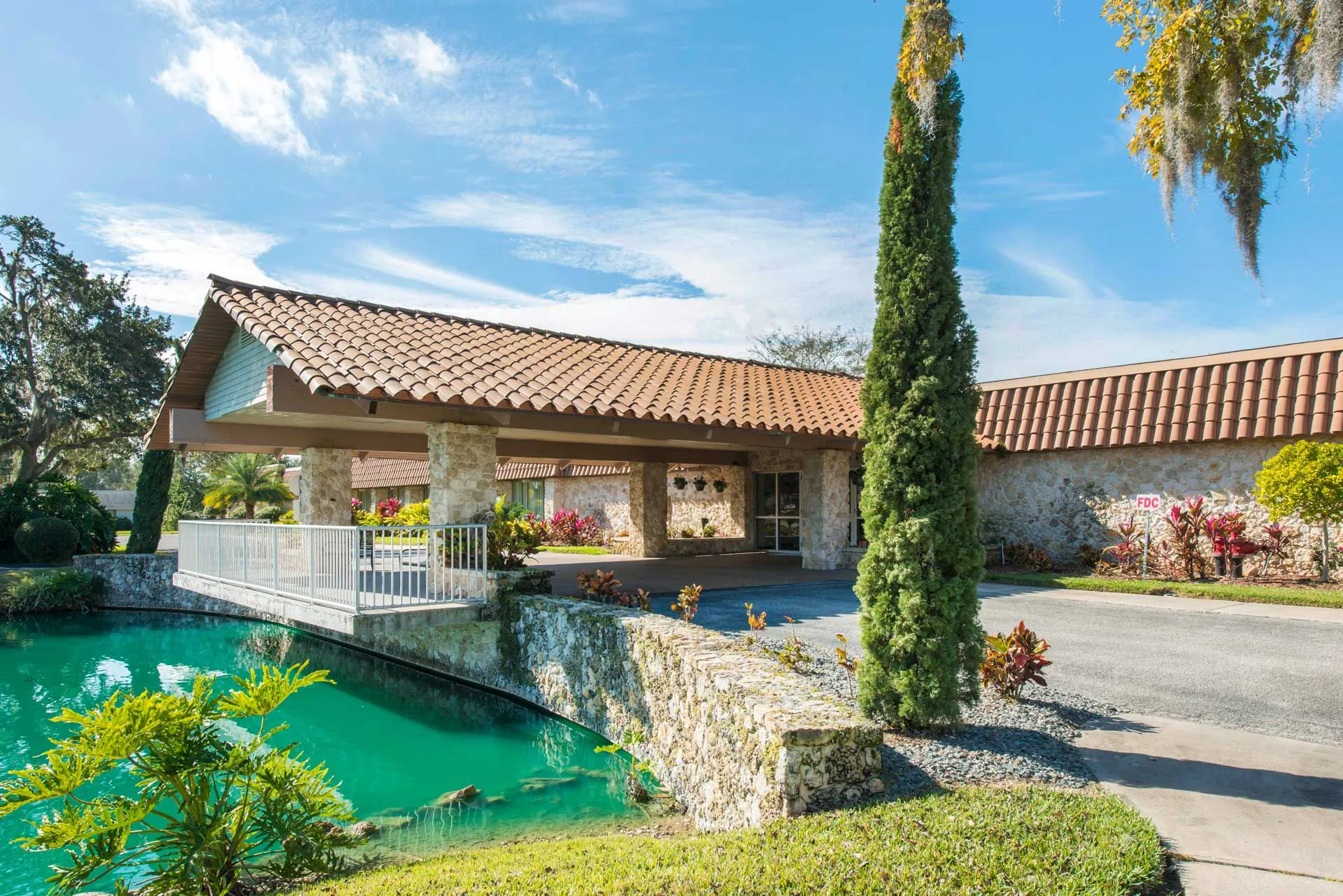
Bipolar disorder is treated in residential mental health care at The Recovery Village Umatilla. The facility serves adults age 18 and older in Lake County, Central Florida. Psychiatric support and medication management are available alongside individual counseling, group therapy, CBT, DBT and trauma-informed care.
Bipolar disorder involves changes in mood, energy and activity. A manic episode can include unusually high energy or irritability, racing thoughts and needing less sleep. A depressive episode can involve low mood, loss of interest and difficulty concentrating. Some people experience less severe elevated episodes called hypomania and may feel productive without recognizing a problem, even when loved ones notice a change. NIMH explains bipolar disorder and mood episodes.
When you speak with a health professional, describe changes over time as well as how you feel today. You can bring notes about sleep and daily activities, with observations from your loved one if you want their help. The goal is to give a clear account of your experience without diagnosing an episode yourself.
A residential stay may be worth discussing when your current treatment setting has not provided enough support to manage daily life. You may be finding it difficult to follow through on plans or handle responsibilities between appointments. A period living where you receive care can let you concentrate on treatment.
A clinician needs to consider your current symptoms and safety when discussing the level of care. Severe symptoms or an inability to stay safe need urgent medical attention. Read about the Umatilla residential mental health program while considering your options with a professional.
Bipolar disorder generally needs ongoing treatment. Care often includes medication and psychotherapy, with attention to the current mood episode and continued symptom management. Counseling can provide education and strategies for daily problems. Keeping a regular routine and a record of mood changes can also be part of managing the condition. Discuss concerns about treatment effects with your provider, and avoid stopping medication without that conversation. NIMH describes bipolar treatment and medication considerations.
You can bring a record of earlier care and explain what you found useful or difficult. Include concerns you have been reluctant to mention. A specific example of a problem with daily life can be more helpful than trying to sum up your whole history at once.
Your goals can involve managing a responsibility or understanding a change that concerns your family. Explain what you want to work on in concrete terms.
Your loved one may notice changes you want help describing. Decide what information you would like to share together and what you want to explain yourself. Their involvement can also be practical, such as helping organize treatment records or taking care of a responsibility while you are away.
Umatilla has family sessions at least weekly and virtual sessions on Saturdays. You and the people you want involved can prepare by identifying the concerns you would like to discuss. The practical guide to treatment at Umatilla can help with preparation for the stay.
The program also treats co-occurring substance use disorders residentially. If alcohol or drugs are part of your concerns, include them in the care discussion. Learn about treatment for mental health and substance use together when considering this option.
At Umatilla, planning for care after your stay starts while you are in treatment. Think through the next care setting and the practical help you will need as you return to responsibilities. Keep continued treatment in view when making arrangements for time away.
Describe how you feel today and include earlier periods when your mood or activity was different. Bring any previous diagnoses into the conversation. The history you share can give a professional more context than your current concern alone.
Prepare information about your current treatment, earlier experiences and concerns you want to address. Include effects that were difficult to manage. You can discuss those concerns without choosing a medication change yourself.
They can help put your notes in order and handle tasks you want support with. Agree on their role before the conversation about care. Your own preferences and account of what you are experiencing should remain part of it.
Talk with an admissions specialist about residential bipolar disorder care, family involvement and the support you need next.
Speak with a Recovery Advocate who can answer your questions and get you started on your recovery journey.
Locations within Colorado
Denver Mental Health & Counseling
The Recovery Village Palmer Lake
Locations within Florida
Orlando Recovery Center Drug, Alcohol and Mental Health Rehab
Orlando Outpatient Center
The Recovery Village Palm Beach at Baptist Health Drug, Alcohol and Mental Health Rehab
The Recovery Village Umatilla Drug, Alcohol and Mental Health Rehab
Locations within Georgia
The Recovery Village Atlanta Drug, Alcohol and Mental Health Rehab
The Recovery Village South Atlanta Drug, Alcohol and Mental Health Rehab
Promises Atlanta
Locations within Indiana
The Recovery Village Indianapolis Drug, Alcohol and Mental Health Rehab
Locations within Maryland
IAFF Center of Excellence
Locations within Massachusetts
Washburn House
Locations within Missouri
The Recovery Village Kansas City Outpatient Center
The Recovery Village Kansas City Drug, Alcohol, and Mental Health Rehab
Locations within Ohio
The Recovery Village Columbus Drug, Alcohol and Mental Health Rehab
Locations within Oregon
The Recovery Village Salem Drug, Alcohol and Mental Health Rehab
Locations within New Jersey
The Recovery Village Cherry Hill at Cooper Drug, Alcohol and Mental Health Rehab
Locations within Pennsylvania
The Ranch Pennsylvania
The Ranch Pennsylvania Outpatient Center
Locations within Tennessee
The Ranch Tennessee
Locations within Texas
Promises Brazos Valley
Promises Dallas-Fort Worth
The Right Step Houston
Locations within Washington
The Recovery Village Ridgefield Rehab
The Recovery Village Ridgefield Detox
Denver Mental Health & Counseling
The Recovery Village Palmer Lake
Orlando Recovery Center Drug, Alcohol and Mental Health Rehab
Orlando Outpatient Center
The Recovery Village Palm Beach at Baptist Health Drug, Alcohol and Mental Health Rehab
The Recovery Village Umatilla Drug, Alcohol and Mental Health Rehab
The Recovery Village Atlanta Drug, Alcohol and Mental Health Rehab
The Recovery Village South Atlanta Drug, Alcohol and Mental Health Rehab
Promises Atlanta
The Recovery Village Indianapolis Drug, Alcohol and Mental Health Rehab
IAFF Center of Excellence
Washburn House
The Recovery Village Kansas City Outpatient Center
The Recovery Village Kansas City Drug, Alcohol, and Mental Health Rehab
The Recovery Village Columbus Drug, Alcohol and Mental Health Rehab
The Recovery Village Salem Drug, Alcohol and Mental Health Rehab
The Recovery Village Cherry Hill at Cooper Drug, Alcohol and Mental Health Rehab
The Ranch Pennsylvania
The Ranch Tennessee
Promises Brazos Valley
Promises Dallas-Fort Worth
The Right Step Houston
The Recovery Village Ridgefield Rehab
The Recovery Village Ridgefield Detox

NEW Guide for Loved Ones
Our state-specific resource guides offer a comprehensive overview of drug and alcohol addiction treatment options available in your area.
Only necessary cookies are on. Optional cookies stay off unless you allow them, since that data may relate to your health. See our Cookie Policy. Your choice acknowledges our Terms and Conditions. Privacy Policy Cookie Policy
In-Network
Substance Abuse
Medical Detox
Residential
Aftercare
Dual Diagnosis
Not your location?
In-Network
Substance Abuse
Mental Health
Medical Detox
Inpatient
Aftercare
Dual Diagnosis
Inpatient Mental Health
Not your location?
In-Network
Substance Abuse
Medical Detox
Inpatient
Partial Hospitalization
Intensive Outpatient
Dual Diagnosis
Not your location?

In-Network
Medical Detox
Inpatient
Partial Hospitalization
Intensive Outpatient
Outpatient
Dual Diagnosis
Not your location?
In-Network
Substance Abuse
Mental Health
Medical Detox
Residential
Intensive Outpatient
Aftercare
Dual Diagnosis
Residential Mental Health
Not your location?
In-Network
Substance Abuse
Medical Detox
Inpatient
Aftercare
Dual Diagnosis
Not your location?
In-Network
Substance Abuse
Mental Health
Medical Detox
Inpatient Residential
Partial Hospitalization
Dual Diagnosis
Inpatient Mental Health
Not your location?
In-Network
Substance Abuse
Medical Detox
Partial Hospitalization
Intensive Outpatient
Aftercare
Dual Diagnosis
Not your location?
In-Network
Substance Abuse
Medical Detox
Residential
Partial Hospitalization
Aftercare
Dual Diagnosis
Not your location?
In-Network
Substance Abuse
Mental Health
Medical Detox
Inpatient
Partial Hospitalization
Dual Diagnosis
Inpatient Mental Health
Not your location?
In-Network
Medical Detox
Inpatient
Partial Hospitalization
Intensive Outpatient
Outpatient
Inpatient Mental Health
Outpatient Mental Health
Not your location?
In-Network
Substance Abuse
Mental Health
Medical Detox
Inpatient
Partial Hospitalization
Aftercare
Dual Diagnosis
Inpatient Mental Health
Not your location?