
Now that you’ve decided to begin treatment at Washburn House, it’s time to prepare for your stay. Knowing what to bring, what to leave behind and what to expect at the facility can help you feel more comfortable and prepared as treatment begins.
Key Takeaways
- Packing limits and list: Please bring no more than two suitcases. Storage space at the facility is limited, so review the full packing information below before you arrive.
- Phone policy: Personal cell phones, smartwatches and other electronic devices will be securely stored during inpatient treatment. Patients have access to a facility phone as appropriate. Phone policies may differ for patients in extended care.
- Smoking policy: Cigarettes are permitted in designated smoking areas. Disposable vapes may be brought if they are new and do not require charging. Patients should bring enough permitted tobacco products for at least the first 10 days of treatment.
- Length of stay: The length of treatment varies by level of care, individual clinical needs and insurance coverage.
What to Bring
Please bring no more than two suitcases due to limited storage. Pack comfortable, practical items that will support you throughout your stay.
Documentation
- Picture ID
- Insurance card
- Prescription or pharmacy benefits card
Financial Items
Avoid bringing large amounts of cash. Prepaid debit cards, such as prepaid Visa or American Express cards, are preferred.
It may also be helpful to notify your financial institution that you will be away from home.
Medications and Medical Devices
Your care team will review your medications when you arrive. Bring:
- A complete list of all current medications, including supplements and over-the-counter medications
- Current prescription medications in their original, labeled prescription bottles
- A CPAP machine, if applicable
Medications brought to the facility must remain in their original, labeled prescription bottles and will be secured by the nursing department. The medications taken during treatment will be determined by your physician and may not include everything you were taking before admission.
Clothing
Dress comfortably and pack approximately:
- Seven comfortable shirts, such as T-shirts
- Two sweatshirts, pullovers or sweaters
- Seven pairs of jeans, slacks or shorts
- Seven pairs of yoga pants or sweatpants
- Seven pairs of socks
- Seven to 10 pairs of underwear or undergarments
- Two sets of sleepwear or robes
- One or two pieces of season-appropriate outerwear
- Two pairs of comfortable shoes without strings, such as sandals, slides or slippers
- One pair of shower shoes
Please leave sheer or revealing clothing, expensive jewelry and other valuable items at home.
Washers and dryers are available for patient use, and basic laundry supplies are provided. Contact the facility before admission if you require a specialized detergent.
Personal Care Items
Keep toiletries and cosmetics in one bag when possible. Products should be alcohol-free.
Recommended items include:
- Shampoo and conditioner
- Body wash or soap
- Deodorant
- Body lotion
- Hairbrush or comb
- Toothbrush
- Toothpaste
- Alcohol-free mouthwash
- Shaving razors
- Hair dryer, if desired
- Sanitary napkins or tampons, if applicable
- Cosmetics and other items used in your regular personal care routine
Items with cords and sharp grooming items, including razors and tweezers, will be kept in locked storage and signed out by staff when needed.
Do not bring glass containers, personal mirrors, mirrored compacts or products that list alcohol among the first five ingredients. Hair dye and hair-cutting tools are also not permitted.
Tobacco Products
Patients who smoke or vape may bring unopened tobacco products.
Vapes must be disposable and cannot require charging.
Bring enough permitted tobacco or vaping products to cover at least the first 10 days after admission. A staff member conducts a store run for necessities and tobacco products once per week.
Staff cannot purchase tobacco products for patients under age 21.
Other Recommended Items
- A written list of phone numbers for people you may want to call
- Postage stamps, envelopes and mailing addresses
- Photographs of loved ones
Laundry and Linens
Laundry facilities are available for patient use during designated times, and basic laundry supplies are provided. Bed linens and towels are provided by the program. Personal linens and pillows are not permitted.
What Not to Bring
For safety reasons, do not bring the following items.
Clothing and Footwear
- Clothing or pictures containing references to drugs, alcohol, pornography, political content, discriminatory content or other inappropriate material
- Sheer or revealing clothing
- High-heeled shoes or wedge heels higher than two inches
Staff may require closed-toe, flat shoes for certain activities.
Toiletries and Personal Care Products
- Hair dye or hair-cutting tools
- Nail polish or nail polish remover
- Aerosol products
- Products that list alcohol among the first five ingredients, including alcohol-based mouthwash and hand sanitizer
- Glass bottles or containers
- Personal mirrors
- Mirrored compacts
- Picture frames containing glass
Weapons and Fire Hazards
- Weapons of any kind, including pocketknives
- Candles
- Incense
Tobacco and Related Items
- Refillable vapes
- Vape pods
- Hand-rolled cigarettes
- Cigars
- Cigarette papers
- Refillable lighters
Electronics
Do not bring:
- Computers or laptops
- Kindles or other e-readers
- Music players
- Radios
Personal cell phones, smartwatches and other electronic devices brought to the facility will be securely stored during inpatient treatment.
Food and Beverages
Do not bring outside food or beverages of any kind.
Medications
Do not bring:
- Prescription medications that are not in their original, labeled prescription bottles
- Over-the-counter medications or substances that are not in sealed manufacturer packaging
Laundry and Bedding
- Laundry detergent, unless specialized arrangements have been made before admission
- Personal linens
- Personal pillows
Other Items
- Specialized workout equipment, including personal weights
Mail, Packages and Belongings
Friends and family may send patients letters, cards and approved care packages. Appropriate care package items may include:
- Coloring books
- Colored pencils
- Self-help books
- Positive messages
- Cards
Do not send food, candy, cookies or other edible items.
Mail and packages should be addressed as follows:
Washburn House
C/O Patient Name
1183 Main St.
Worcester, MA 01603
Family members and friends may also drop off necessary belongings, such as clothing or unopened permitted tobacco products, during designated times. Contact the facility in advance to confirm when drop-offs are accepted.
A staff member will receive belongings upon arrival.
Travel Details
Transportation assistance is available for patients traveling to Washburn House. The facility can provide transportation from Worcester, Boston Logan International Airport and Rhode Island T. F. Green International Airport in Providence.
Patient pickup may also be available within approximately 50–75 miles of the facility. Transportation arrangements should be coordinated with the admissions team before arrival.
Phone Use
During inpatient treatment, personal cell phones, smartwatches and other electronic devices will be securely stored. Patients may use a facility house phone as needed, generally with clinical staff supervision. Patients participating in extended care may have different phone privileges, including access to their personal cell phones.
The Facility
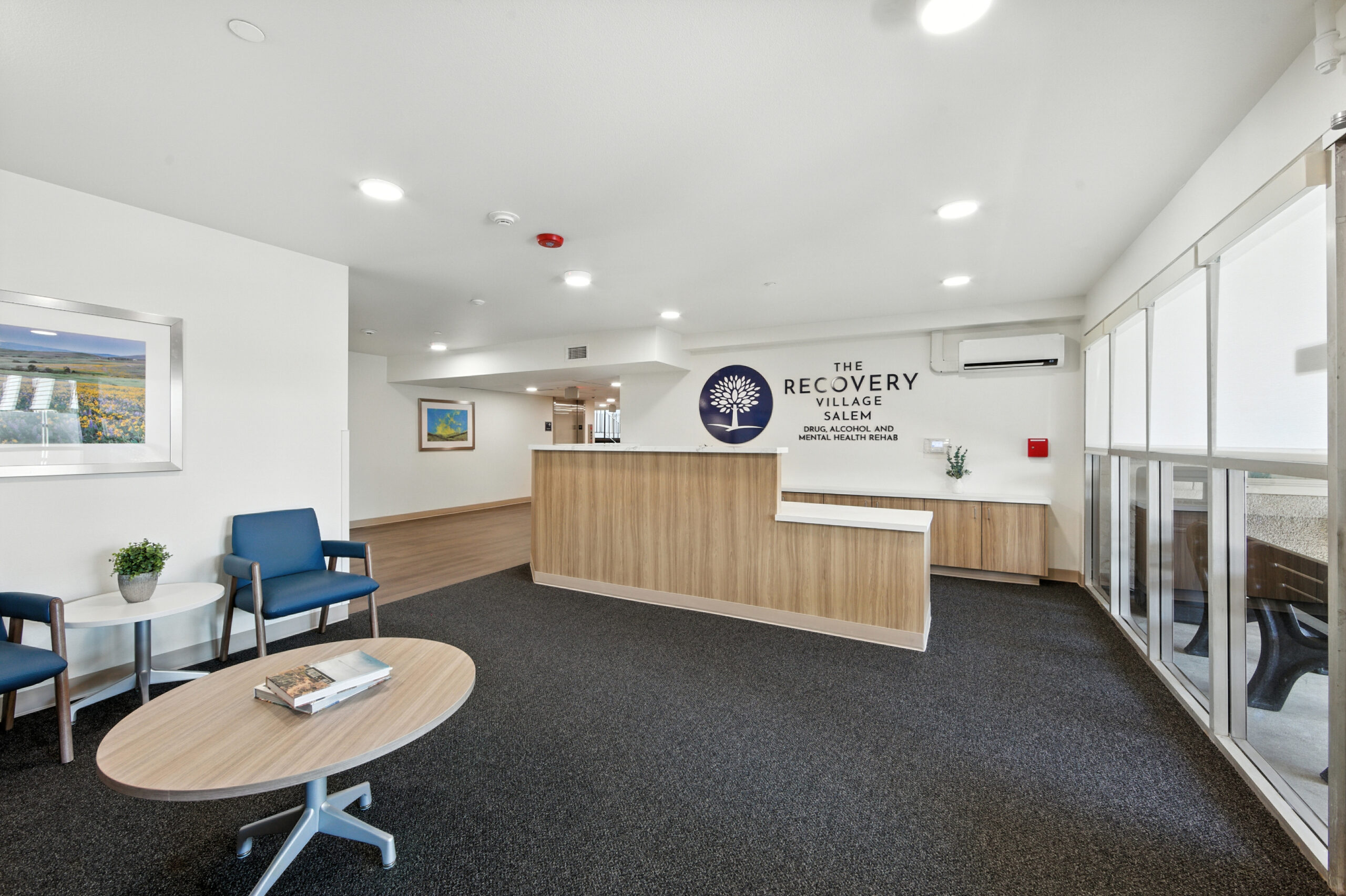
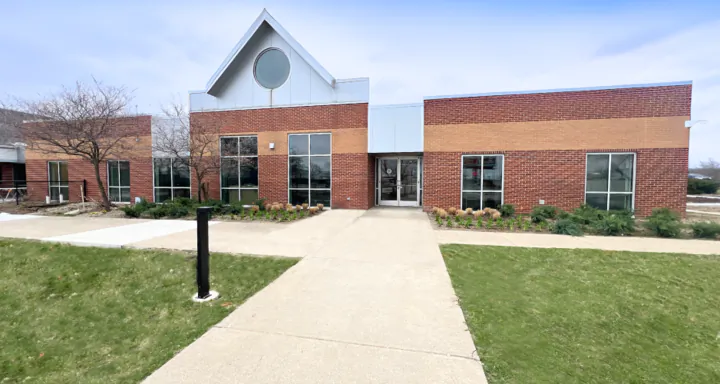
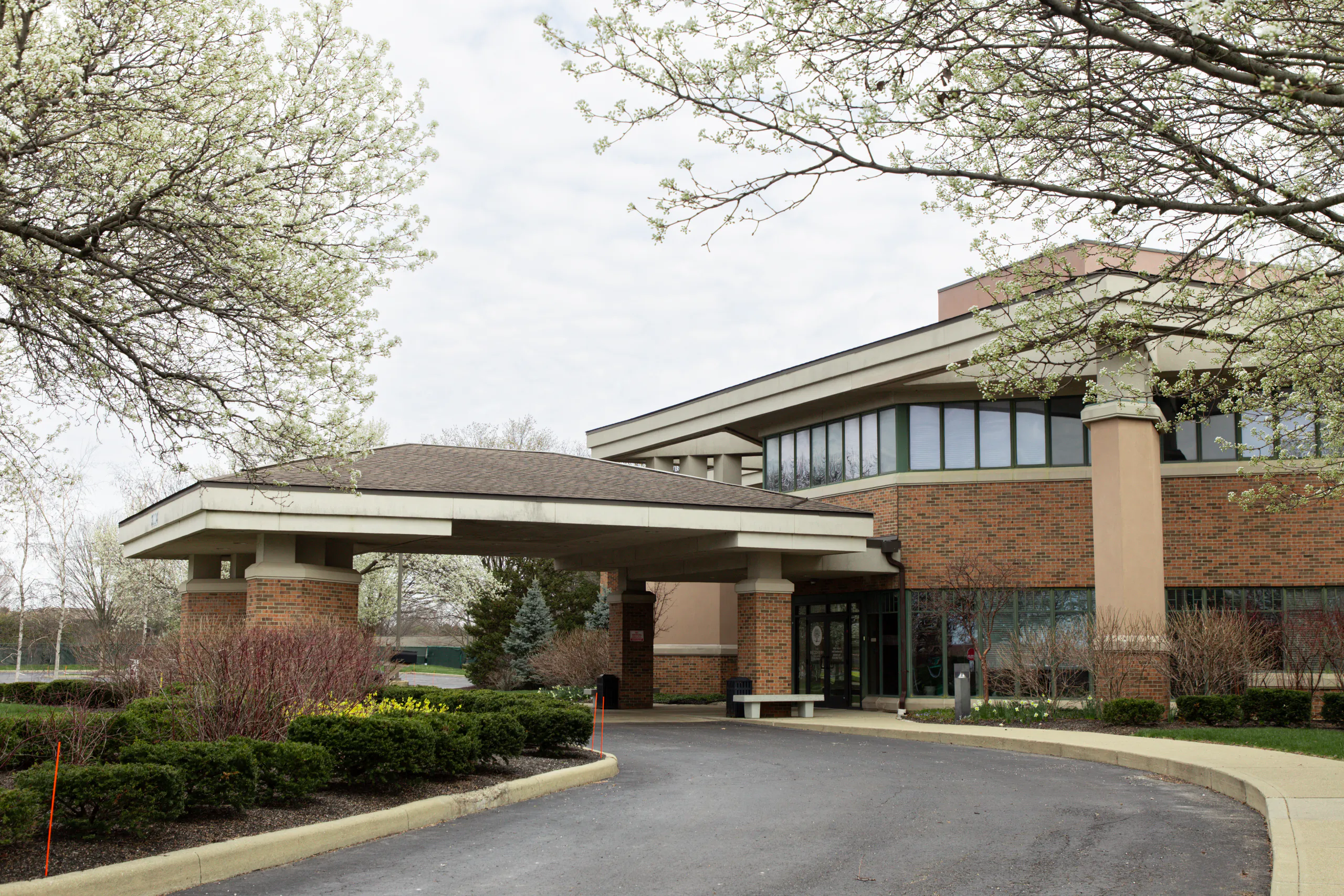
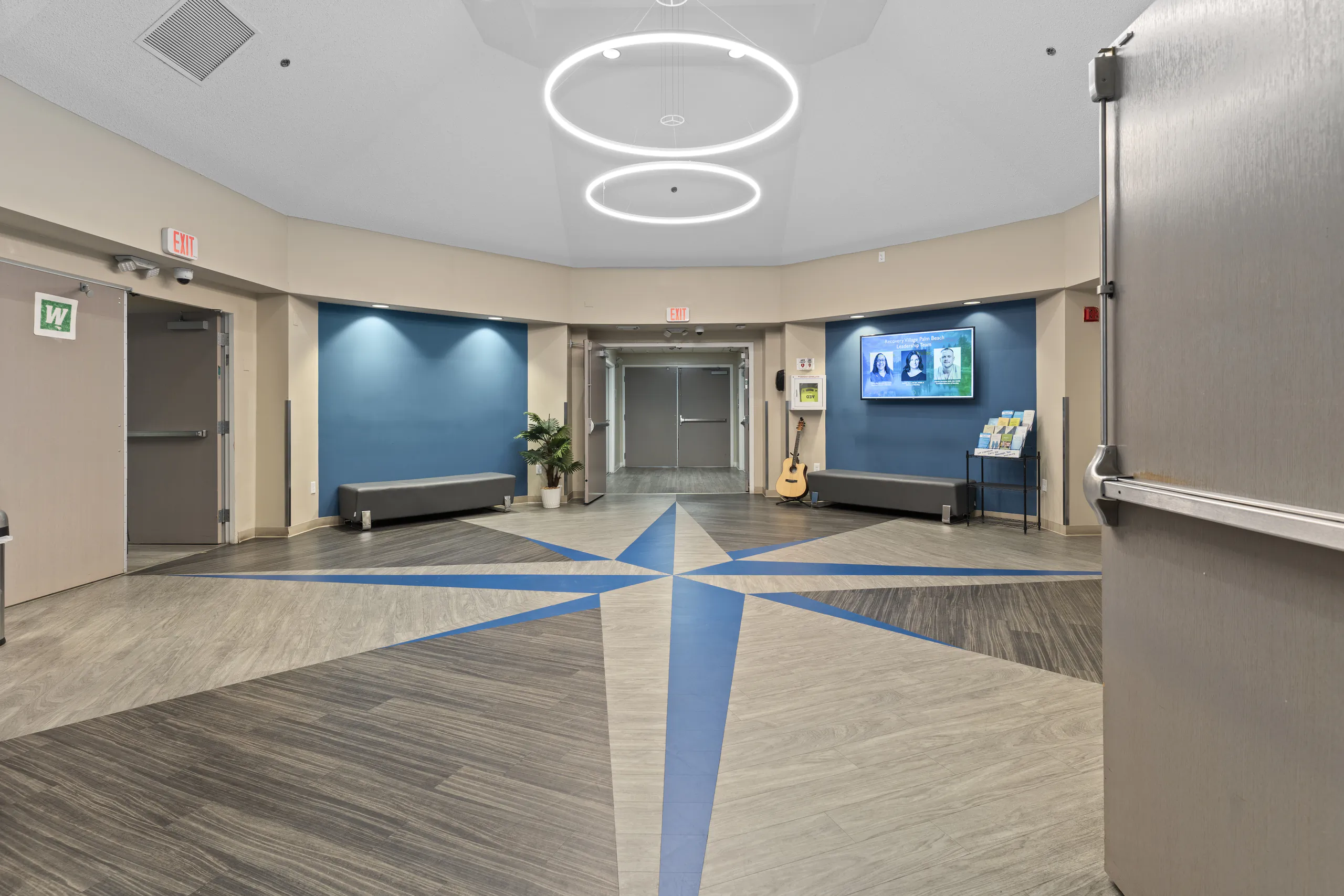
Washburn House is located in Worcester, Massachusetts, and provides a continuum of substance use disorder treatment for adults. The facility supports patients at different stages of recovery, from medically supported withdrawal management through structured treatment, extended recovery services and outpatient care.
The treatment environment combines structured clinical programming with opportunities to develop recovery skills, connect with peers and prepare for continued recovery after discharge. Different programs operate with their own schedules, accommodations and privileges, allowing the level of structure to change as patients progress through care.
Amenities and Activities
Depending on the program and clinical appropriateness, amenities and activities at Washburn House may include:
- Fitness and exercise facilities
- Yoga
- Basketball and other recreational activities
- Mindfulness and meditation groups
- Mindfulness walks
- Animal-assisted activities
- Off-site recreational or community activities
- Recovery meetings
- On-site laundry facilities
Available activities vary by level of care, clinical needs and facility schedule.
Food
Meals at Washburn House are prepared in-house by facility chefs. The facility can accommodate dietary restrictions and food allergies. Patients should communicate dietary needs to the treatment team. Outside food and beverages are not permitted.
Sleeping Arrangements
Sleeping arrangements vary depending on the program and level of care. Patients may stay in single or shared rooms, with room configurations determined by the program and availability. Bathroom arrangements also vary between levels of care.
A Day in the Life
Daily schedules at Washburn House vary depending on a patient’s level of care and individual treatment plan.
Treatment may include group counseling, individual clinical support, recovery education, evidence-based therapies, 12-Step-oriented programming and activities focused on mindfulness, wellness and recovery skills.
As patients progress through different levels of care, schedules and privileges may change to support increasing independence and preparation for continued recovery in the community.
Types of Therapy
Treatment and recovery programming at Washburn House may include:
- Cognitive behavioral therapy
- Dialectical behavior therapy
- Individual counseling
- Group counseling
- Family therapy
- Grief and loss therapy
- Mindfulness and meditation
- 12-Step-based recovery programming
- Recovery skills development
Additional therapeutic and experiential activities may be offered based on the patient’s program and clinical needs.
Family and Support Visits
Visitation varies depending on the patient’s level of care. In-person visitation is not normally available during inpatient treatment. Patients participating in structured sober living may receive visitors on Sundays.
Washburn House also holds Family Access (FAM) Nights on Monday evenings, facilitated by clinical staff to provide opportunities for family engagement and support.
Off-Site Visits
Patients may have opportunities to participate in supervised off-site recovery, recreational or wellness activities when clinically appropriate. Depending on the program, these may include recovery meetings, mindfulness-based outings or other structured community activities. Participation depends on level of care, clinical appropriateness and facility scheduling.
Smoking Policy
Cigarettes may be used only in designated smoking areas.
Patients who vape should bring disposable vaping devices that do not require charging. Refillable vapes, vape pods, hand-rolled cigarettes, cigars, cigarette papers and refillable lighters are not permitted.
Patients who smoke or vape should bring enough permitted products for at least the first 10 days following admission. A staff member conducts a store run for necessities and tobacco products once per week.
Because staff cannot purchase tobacco products for patients under age 21, patients ages 18–20 who use permitted tobacco products should plan accordingly before admission.
The Treatment Process
Treatment at Washburn House is individualized according to each patient’s clinical needs, progress and insurance coverage.
Washburn House offers several stages of substance use treatment using terminology commonly used in Massachusetts, which may include:
- Acute Treatment Services (ATS) for medically supported withdrawal management
- Clinical Stabilization Services (CSS) for continued structured treatment and stabilization
- Residential Recovery Services (RRS) for ongoing residential recovery support
- Full-day outpatient treatment
- Half-day outpatient treatment
- Structured sober living and extended recovery support
- Aftercare and discharge planning
Not every patient will participate in every level of care. The appropriate treatment path and length of stay are determined individually by the treatment team.
Medically Assisted Treatment
Medication-assisted treatment, or MAT, combines medication with counseling and behavioral support as part of a comprehensive approach to recovery. For some patients, MAT can help manage withdrawal symptoms or cravings and support continued participation in treatment.
Washburn House offers MAT when clinically appropriate. Each patient is evaluated individually, and the treatment team determines whether medication-assisted treatment should be included in the patient’s care plan.
Our Staff
Washburn House’s clinical leadership includes:
- Dr. Mustafa Tai, Medical Director
- Diana Freeman, Director of Nursing
- Christine Eisner, Clinical Director, ATS
- Amanda Owens, Clinical Director, CSS
- George Danquah, Clinical Director, RRS
- Nelida Machicote, Clinical Director, Outpatient Services
Insurance and Your Obligation During Treatment
Many health insurance plans require out-of-pocket costs in order to access your healthcare benefits. These expenses may include Deductibles, Co-Pays, Coinsurance and Maximum Out-of-Pocket Expenses (collectively, the “Patient Responsibility”).
Your individual Patient Responsibility may vary based on a number of factors including:
- Your individual benefits plan
- Length of stay at the facility
- Type of services received during treatment
- Other services offered at the facility, but not covered by your insurance provider (such as lab tests, non-covered prescriptions, etc.)
- Reasonable boarding fees should you decide to stay with the facility for treatment at outpatient levels of care.
A staff member will review your Patient Responsibility with you at the time of admission or as soon as possible once you are medically stable. They will explain that the deductible is due upon admittance to the facility and the co-insurance amount and out-of-pocket balance will be billed and paid for after treatment once services are complete. On-site financial counselors will again review your financial responsibility during treatment with case managers who can help you navigate FMLA.
It is your responsibility to check with your insurance provider prior to being admitted at Washburn House to understand your individual benefits plan. Please note that your insurance plan may not be a “participating provider” with Washburn House. You are responsible for all non-covered and out-of-pocket costs related to your treatment stay.