
Adderall addiction is treatable, and treatment has to solve two problems at once: stopping the misuse and managing whatever the stimulant was doing for the person, whether that was untreated ADHD, pressure to perform, weight control or simply the feeling of being switched on. This guide explains how Adderall (amphetamine/dextroamphetamine) use disorder is treated, from supervised withdrawal through inpatient and outpatient care, how long it takes, what it costs and how to choose a program. To start now, verify your insurance or see our treatment centers.
Signs Adderall Use Has Become a Problem
- Taking more than prescribed, running out early or using someone else’s prescription
- Crushing, snorting or taking it to stay awake for days
- Anxiety, panic, paranoia, irritability or aggression while using; hopelessness or exhaustion when it wears off
- Rapid heartbeat, chest pain, high blood pressure, weight loss or insomnia
- Needing it to function, and being unable to cut down despite trying
- Combining Adderall with alcohol, benzodiazepines or opioids to manage the comedown
Our Adderall addiction self-assessment can help you decide whether to talk to a professional.
What Adderall Withdrawal Is Like
Stopping a stimulant does not usually cause dangerous physical withdrawal, but the crash can be severe: profound fatigue, long periods of sleep, increased appetite, irritability, anxiety, difficulty concentrating and a low mood that can become depression, sometimes with suicidal thoughts. Symptoms peak in the first week and improve over several weeks. Supervised withdrawal matters most for people who have used high doses, who also use other substances, or who have a history of depression. See the Adderall withdrawal timeline.
Levels of Care for Adderall Addiction
Supervised detox and stabilization
Monitoring, rest, nutrition and treatment of symptoms such as anxiety, agitation or depression, plus a full psychiatric assessment. Learn about medical detox.
Inpatient or residential rehab
Living at the facility, typically 30 to 90 days, with daily individual and group therapy, psychiatric care and skills work. Inpatient care is recommended for heavy or long-term misuse, for polysubstance use, for anyone with psychosis or suicidal thinking, and for people whose home or work environment makes it hard to stop. Compare inpatient vs. outpatient rehab.
Partial hospitalization and intensive outpatient
Structured day or evening programming while living at home or in sober housing. Many students and professionals begin here when their use is moderate and their environment is stable.
Outpatient care and aftercare
Ongoing therapy, psychiatric follow-up, alumni support and a written relapse prevention plan. Follow-up with a prescriber is especially important when ADHD is present.
Treating ADHD Without Feeding the Addiction
Many people who misuse Adderall have genuine ADHD, and stopping treatment for it is a common relapse trigger. In rehab, a psychiatric provider re-evaluates the diagnosis and builds a plan that can include non-stimulant medications such as atomoxetine, viloxazine or guanfacine, behavioral strategies and organizational skills training, and, in some cases, carefully monitored long-acting stimulant treatment later in recovery. The goal is to treat the ADHD honestly rather than pretend it is not there.
Therapies That Work for Stimulant Use Disorders
- Contingency management — structured incentives for verified abstinence; the best-supported treatment for stimulant use.
- Cognitive behavioral therapy (CBT) — changing the situations, thoughts and beliefs (such as “I can’t work without it”) that drive use.
- Motivational interviewing — strengthening a person’s own reasons for change.
- Treatment for co-occurring conditions — ADHD, anxiety, depression and eating disorders are common and are treated alongside the addiction.
- Group and family therapy — peer support and rebuilding trust at home.
Are There Medications for Adderall Addiction?
There is no FDA-approved medication specifically for amphetamine use disorder. Medications are used for withdrawal symptoms and co-occurring conditions, and non-stimulant ADHD medications are part of many plans. Behavioral treatment remains the core of care.
How Long Does Treatment Take?
Concentration and mood typically keep improving for weeks to months after stopping, so treatment is structured to last through that window. The National Institute on Drug Abuse notes that participation of less than 90 days is of limited effectiveness for most people. A common path is a short stabilization period, several weeks of inpatient or partial hospitalization care, an intensive outpatient phase and outpatient follow-up through the first year.
Cost and Insurance
Substance use treatment is an essential health benefit under the Affordable Care Act, and federal parity law requires health plans to cover it comparably to medical care. Most commercial plans, Medicaid and Medicare cover detox, inpatient and outpatient treatment; what you pay depends on your deductible, copays and network. Our admissions team will verify your benefits free of charge and explain private-pay options. If you have no insurance, see our guide to rehab without insurance.
Choosing an Adderall Rehab Program
- Psychiatric providers experienced with ADHD and stimulant use disorders
- Contingency management and CBT specifically for stimulant use
- Accreditation (Joint Commission or CARF) and state licensure
- A full continuum of care within one provider
- Programs that accommodate students and working professionals (evening IOP, telehealth follow-up)
- A benefits check and clear cost estimate before admission
See our guide to finding the right rehab.
Adderall Addiction Treatment at The Recovery Village and Promises
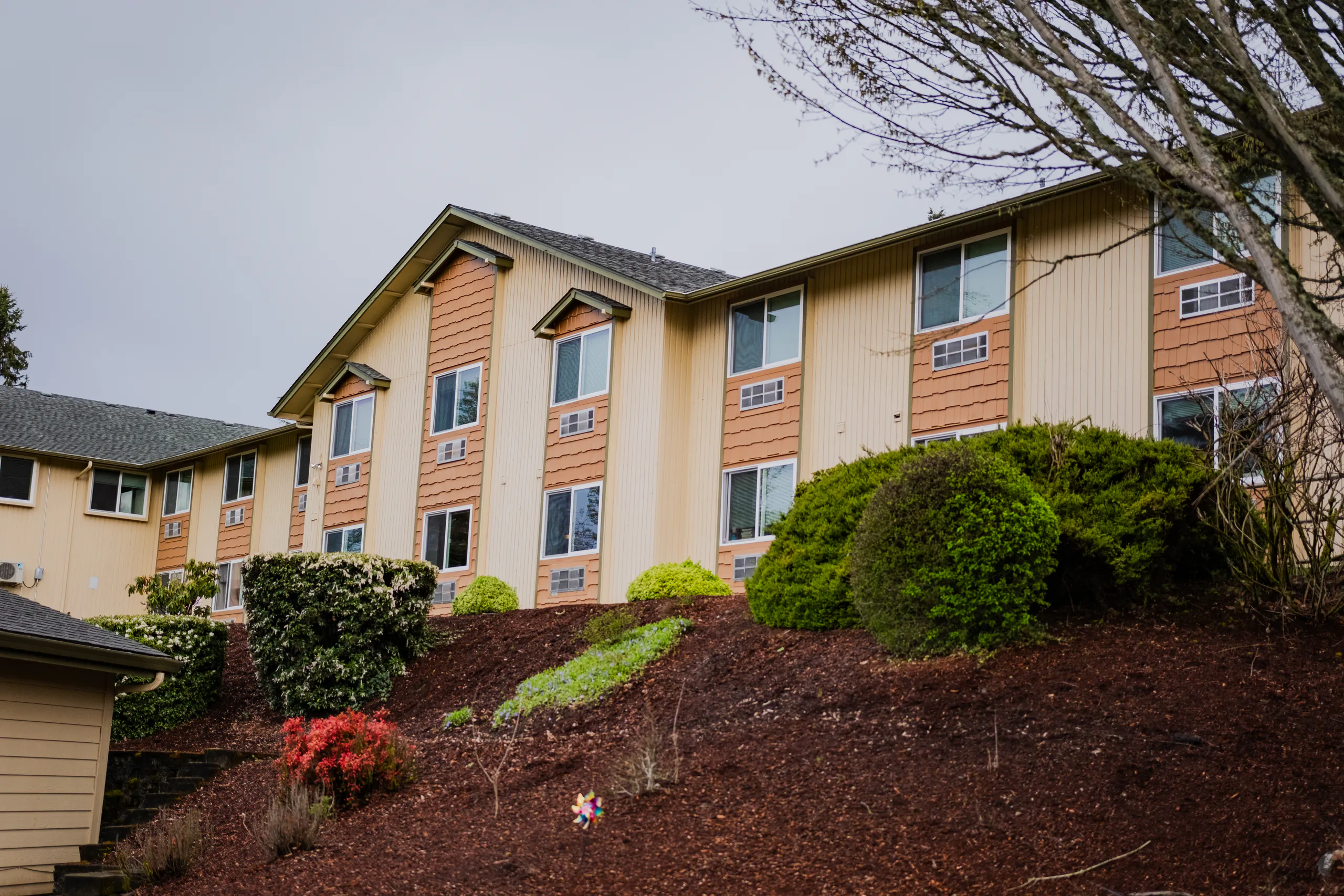
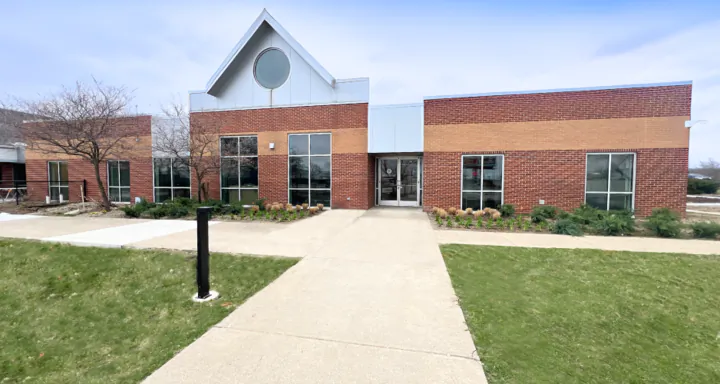
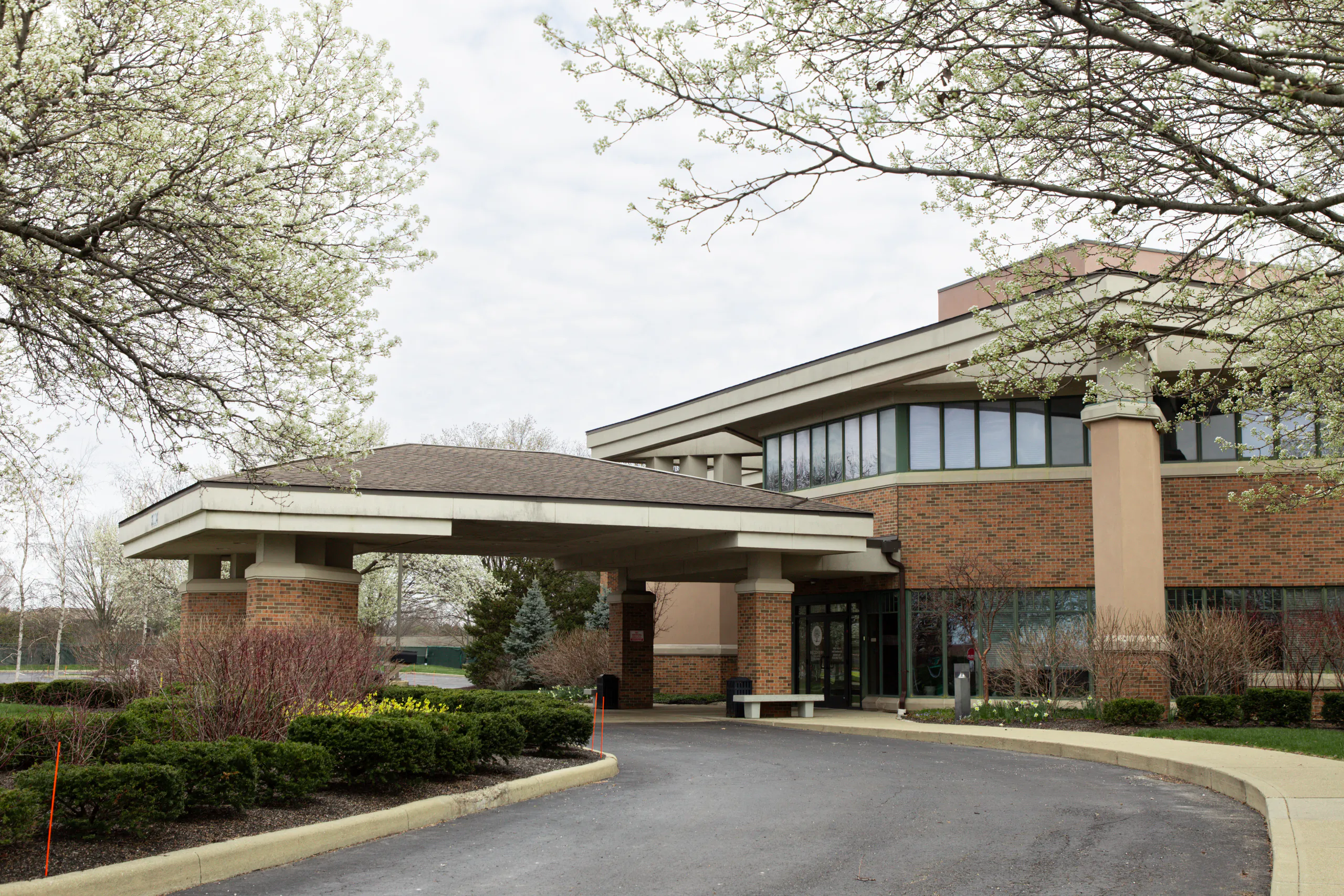
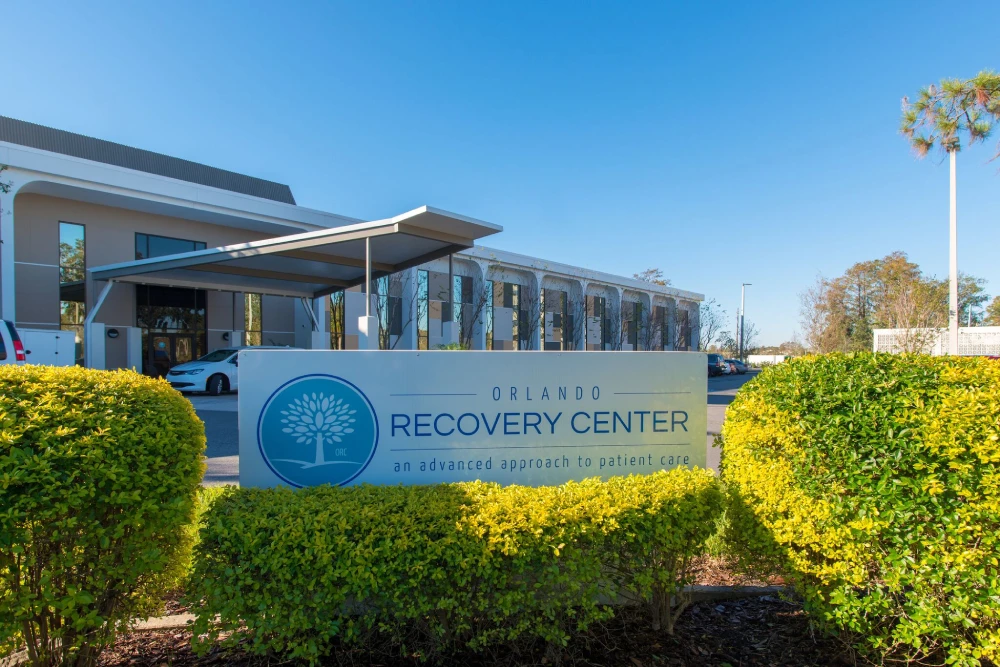
Our centers provide supervised stabilization, inpatient and residential rehab, partial hospitalization, intensive outpatient care and aftercare for stimulant use disorders, with psychiatric evaluation and ADHD care built into treatment. Find a center in Georgia, Florida, Texas, Pennsylvania, Tennessee, Colorado, Washington, Oregon, Missouri, Indiana, Ohio, New Jersey, Maryland or Massachusetts, or see all locations.
Frequently Asked Questions
Can I stop Adderall on my own?
Physically, the withdrawal is usually not dangerous, but the crash brings depression and cravings that make relapse likely, and untreated ADHD or anxiety often pulls people back. Supervised treatment addresses all of it at once.
Will I be able to take ADHD medication again?
That is a decision for you and a psychiatric provider. Non-stimulant options exist, and some people later use monitored stimulant treatment safely. Treatment starts with an honest re-evaluation of the diagnosis.
How long is Adderall rehab?
Inpatient stays commonly run 30 to 90 days followed by outpatient care; at least 90 days of total engagement is associated with better outcomes.
Does insurance cover Adderall addiction treatment?
Most plans do. Verify your coverage to see your costs.