
Vicodin combines hydrocodone, an opioid, with acetaminophen. Addiction to it is an opioid use disorder, and it is one of the most treatable conditions in medicine when the right tools are used: medically supervised withdrawal, medication for opioid use disorder and structured therapy. This guide explains how Vicodin addiction is treated, what to expect at each level of care, how long it takes, what it costs and how to choose a program. To start now, verify your insurance or see our treatment centers.
Signs Vicodin Use Has Become an Addiction
- Taking more or more often than prescribed, running out early, or getting pills from friends, family or online sellers
- Continuing to use after the pain it was prescribed for has resolved
- Withdrawal symptoms (sweating, aches, anxiety, diarrhea) when a dose is missed
- Doctor-shopping, or buying pills that may be counterfeit
- Using Vicodin with alcohol or benzodiazepines
- Nodding off, slowed breathing or a previous overdose
Two dangers are specific to Vicodin: high doses deliver toxic amounts of acetaminophen that can damage the liver, and counterfeit hydrocodone pills sold outside a pharmacy frequently contain fentanyl. Anyone using pills from an unknown source should keep naloxone (Narcan) on hand. Our Vicodin addiction self-assessment can help you decide whether to seek help.
What Vicodin Withdrawal Is Like
Opioid withdrawal is rarely life-threatening, but it is miserable and it drives relapse: muscle aches, sweating, chills, anxiety, insomnia, nausea, vomiting, diarrhea and intense cravings, starting within 8 to 24 hours of the last dose and peaking around days two to three. Dehydration from vomiting and diarrhea can become serious, and tolerance drops quickly, which is why overdose risk is highest in the days after stopping. Medically supervised withdrawal makes the process safer and far more tolerable. See the Vicodin withdrawal timeline.
Levels of Care for Vicodin Addiction
Medical detox
Physicians and nurses monitor withdrawal around the clock, treat symptoms with medications such as clonidine or lofexidine, anti-nausea and sleep medication, and, in most cases, start buprenorphine once withdrawal has begun. Learn how medical detox works.
Inpatient or residential rehab
Living at the facility for about 30 to 90 days with daily therapy, medical and psychiatric care and skills work. Inpatient care is recommended for people with a long history of opioid use, a previous overdose, polysubstance use, chronic pain that needs a new plan, or an unstable home environment. Compare inpatient vs. outpatient rehab.
Partial hospitalization and intensive outpatient
Step-down programs that keep treatment intensity high while you live at home or in sober housing, usually while medication treatment continues.
Outpatient care and aftercare
Ongoing therapy, medication management, alumni groups and a written relapse prevention plan.
Medication for Opioid Use Disorder
Medication is the standard of care for opioid use disorder and substantially reduces the risk of relapse and overdose death. Options include:
- Buprenorphine (Suboxone, Sublocade and others) — a partial opioid agonist that relieves withdrawal and cravings with a ceiling on respiratory depression; can be started in detox once withdrawal has begun and continued for months or years.
- Methadone — a full agonist dispensed through licensed opioid treatment programs; effective for people with long or heavy opioid use.
- Naltrexone (Vivitrol monthly injection) — an opioid blocker started after 7 to 10 opioid-free days; no potential for misuse, useful for people who do not want an agonist medication.
Which medication fits depends on your history, other medical conditions and preferences; a physician reviews the options with you during detox. Read more about medication-assisted treatment for opioids.
Therapy and Pain Management
Medication works best alongside therapy. Cognitive behavioral therapy, contingency management, motivational interviewing, group and family therapy address the habits and stressors that drive use, and co-occurring depression, anxiety or PTSD are treated at the same time. Because many people were first prescribed Vicodin for pain, treatment includes a non-opioid pain plan: physical therapy, non-opioid medications, and behavioral approaches to chronic pain, coordinated with your medical providers.
How Long Does Treatment Take?
Detox itself takes about five to ten days. The National Institute on Drug Abuse notes that treatment participation of less than 90 days is of limited effectiveness for most people, and medication for opioid use disorder is often continued for a year or longer. A typical path is detox, several weeks of inpatient or partial hospitalization care, an intensive outpatient phase and then outpatient follow-up with ongoing medication management.
Cost and Insurance
Substance use treatment is an essential health benefit under the Affordable Care Act, and federal parity law requires health plans to cover it comparably to medical care. Most commercial plans, Medicaid and Medicare cover detox, medication-assisted treatment, inpatient and outpatient care; what you pay depends on your deductible, copays and network. Our admissions team will verify your benefits free of charge and explain private-pay options. If you have no insurance, see our guide to rehab without insurance.
How to Choose a Vicodin Rehab Program
- Medical detox with 24-hour nursing and physician oversight
- All three medications for opioid use disorder available, not just one
- Psychiatric care for co-occurring conditions and a plan for chronic pain
- A full continuum of care within one provider
- Accreditation (Joint Commission or CARF) and state licensure
- A benefits check and clear cost estimate before admission
See our guide to finding the right rehab.
Vicodin Addiction Treatment at The Recovery Village and Promises
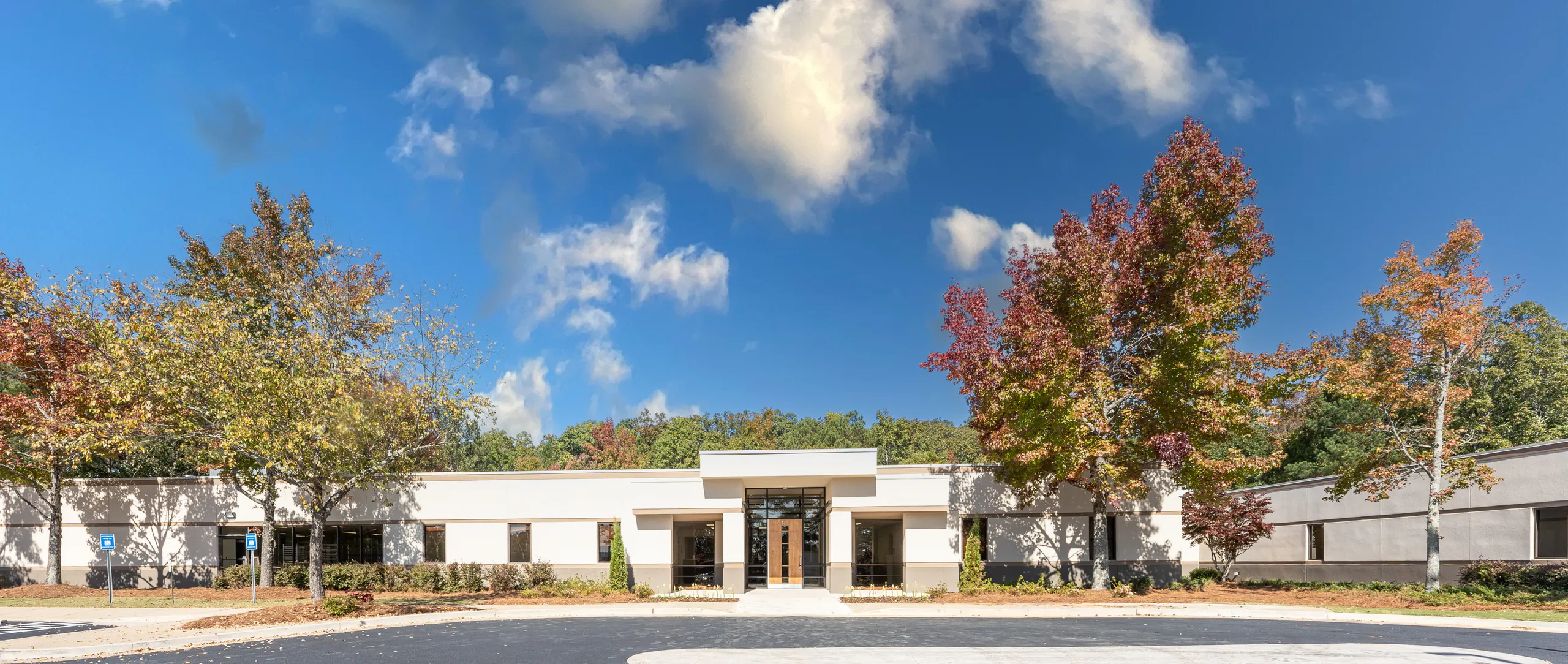
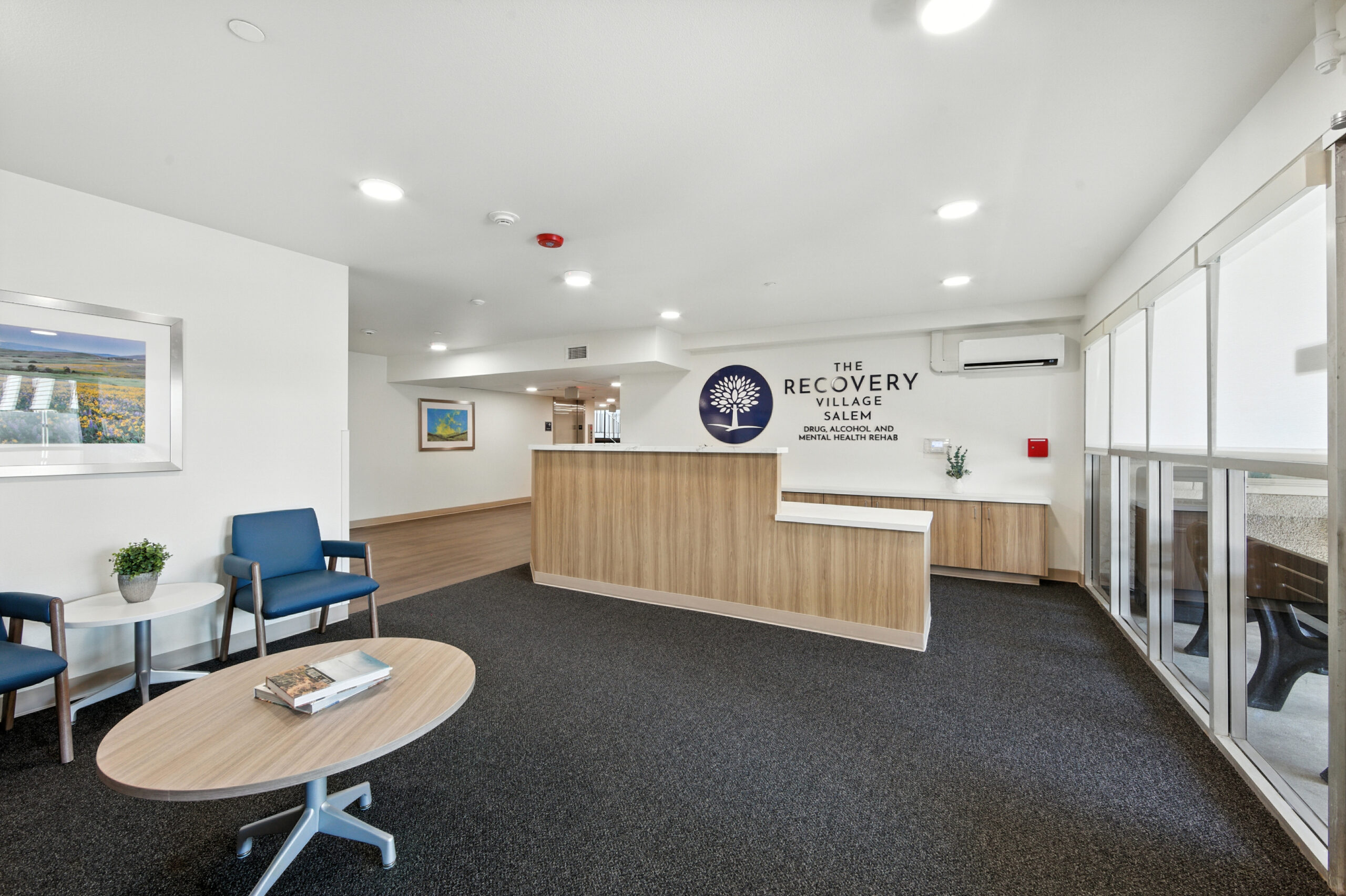
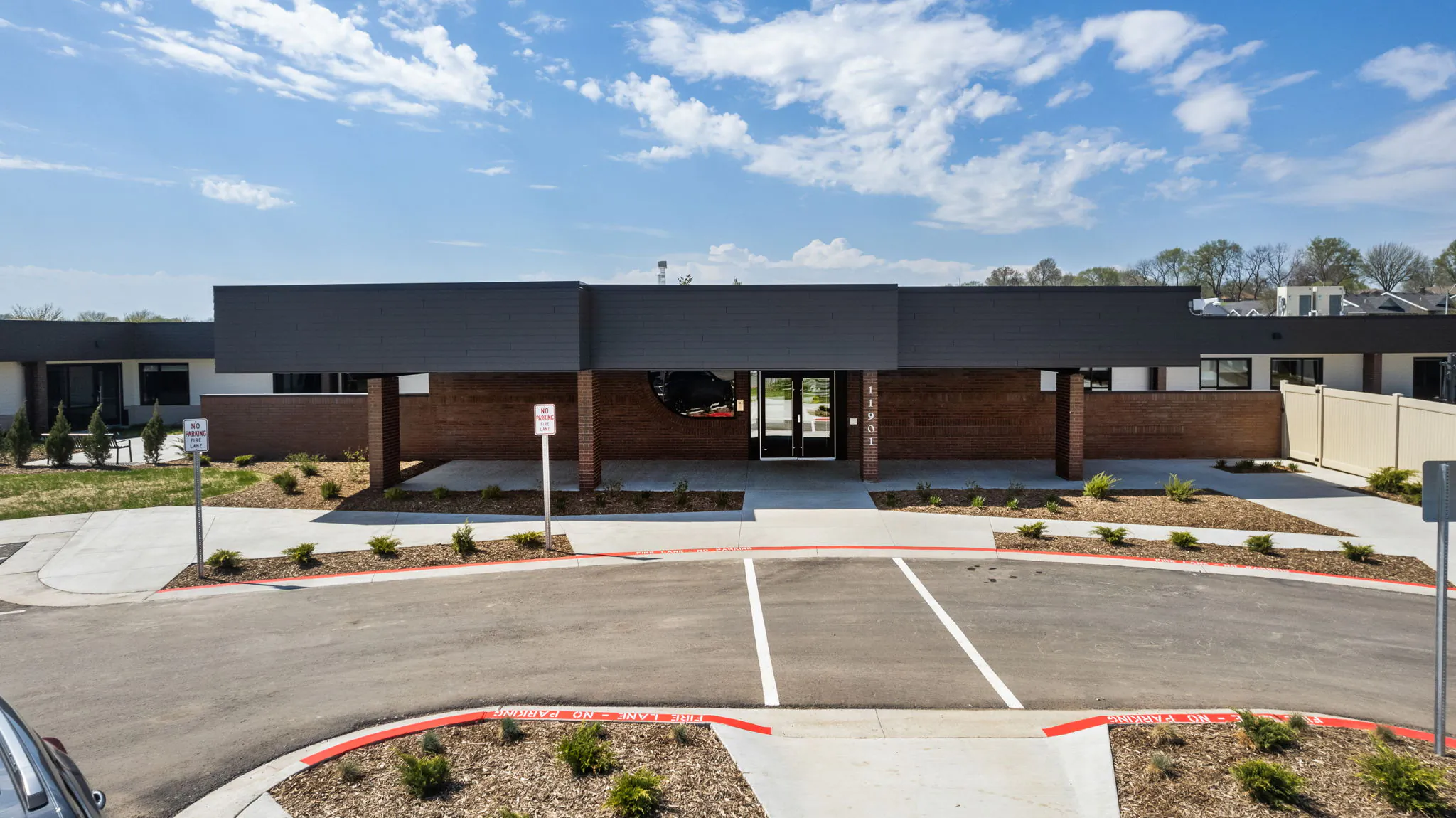
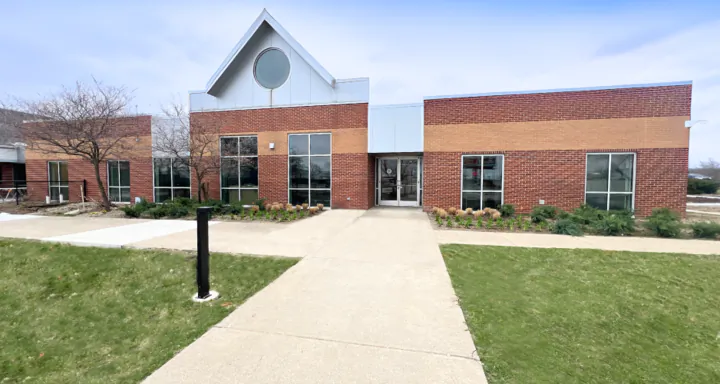
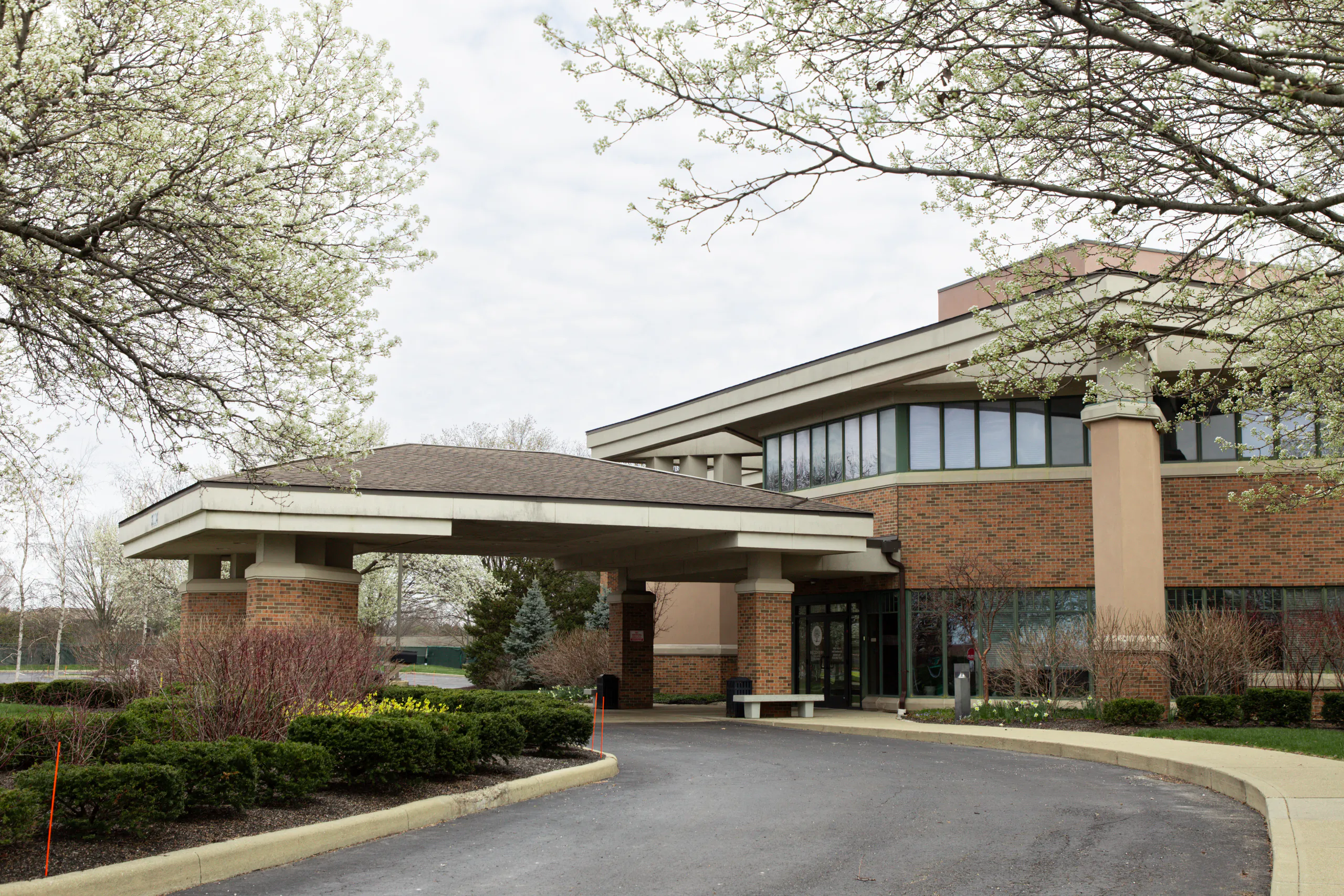
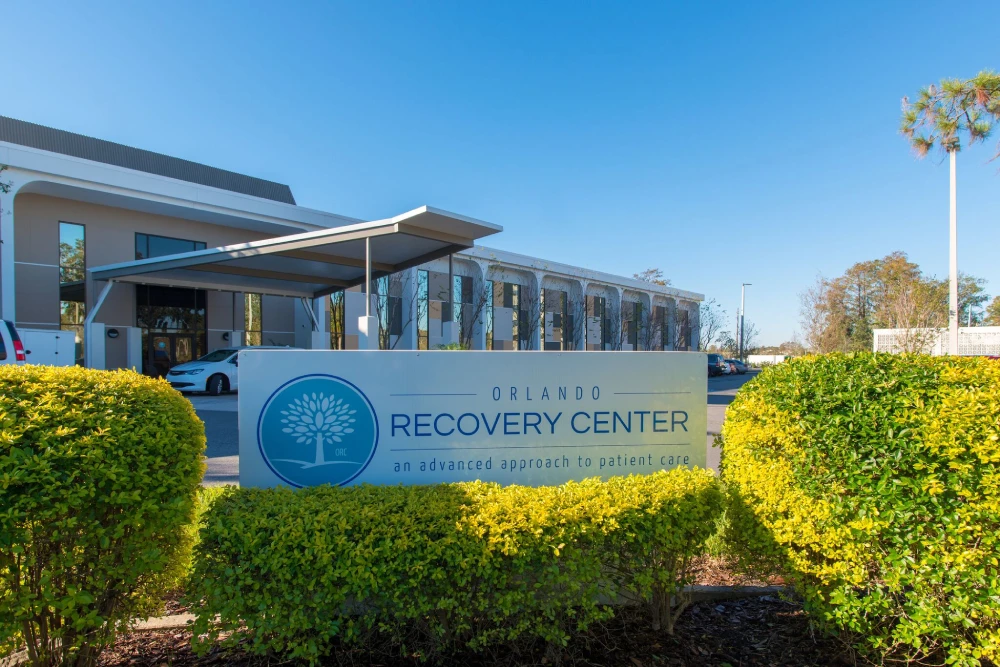
Our centers provide medical detox, medication-assisted treatment, inpatient and residential rehab, partial hospitalization, intensive outpatient care and aftercare for opioid use disorder, with psychiatric care for co-occurring conditions. Find a center in Georgia, Florida, Texas, Pennsylvania, Tennessee, Colorado, Washington, Oregon, Missouri, Indiana, Ohio, New Jersey, Maryland or Massachusetts, or see all locations.
Frequently Asked Questions
Can I detox from Vicodin at home?
Withdrawal is rarely dangerous, but it is hard to complete without support, and overdose risk is high afterward because tolerance falls quickly. Medical detox with buprenorphine is safer and far more comfortable.
Is Suboxone just trading one addiction for another?
No. Buprenorphine is a prescribed medication taken at a stable dose; it does not produce the cycle of intoxication and withdrawal that defines addiction, and it lowers the risk of overdose and relapse.
How long is Vicodin rehab?
Detox takes about a week; inpatient stays commonly run 30 to 90 days, followed by outpatient care and, often, continued medication treatment.
Does insurance cover treatment?
Most plans do, including medication treatment. Verify your coverage in minutes.