
Crack cocaine addiction is treatable, and the same evidence-based approaches used for powder cocaine apply. What tends to differ is intensity: crack is smoked, hits within seconds and wears off in minutes, which drives rapid binge cycles and makes stopping without structure very hard. This guide covers the levels of care for crack addiction, what treatment involves, how long it takes, what it costs and how to choose a program. To get started right away, verify your insurance or browse our treatment centers.
When Crack Use Needs Professional Treatment
- Binges lasting hours or days, spending beyond your means, or selling belongings to keep using
- Paranoia, agitation or hallucinations while using; deep depression or suicidal thoughts during the crash
- Chest pain, palpitations, shortness of breath or seizures
- Using crack with alcohol, opioids or benzodiazepines, or worry about fentanyl contamination
- Relapse after previous attempts to stop
- A co-occurring mental health condition such as depression, bipolar disorder or PTSD
If you are not sure, take our crack addiction self-assessment and bring the results to a professional.
What Happens When You Stop: The Crash
Crack withdrawal is not usually dangerous to the body, but it is hard on the mind. The crash brings exhaustion, long sleep, intense hunger, anxiety, vivid dreams and a low, empty mood that can become severe depression, along with powerful cravings. Suicidal thinking can occur. This is why supervised stabilization in a treatment setting is recommended, especially for heavy users and anyone with a history of depression. Because illicit cocaine is increasingly contaminated with fentanyl, medical staff also monitor for opioid withdrawal and overdose risk. See the crack withdrawal timeline.
Levels of Care for Crack Addiction
Supervised detox and stabilization
A few days of monitoring, nutrition, sleep and medication for symptoms as needed, with screening for other substances. Learn about medical detox.
Inpatient or residential rehab
Living at the facility for about 30 to 90 days with a structured schedule of individual therapy, group therapy, psychiatric care and skills work. Inpatient treatment is recommended for most people with crack cocaine use disorder because it removes access to the drug and the environment tied to use during the weeks when cravings are strongest, and it provides daily support for the depression that follows a binge. Compare inpatient vs. outpatient rehab.
Partial hospitalization and intensive outpatient
Step-down programs of several hours a day or several evenings a week that keep treatment intensity high while you return home or to sober housing.
Outpatient care and aftercare
Weekly therapy, treatment for co-occurring conditions, alumni groups, recovery coaching and a written relapse prevention plan. Cravings for crack can return suddenly months into recovery, so ongoing support matters.
Therapies That Work for Crack Cocaine Addiction
- Contingency management — structured incentives for verified abstinence; it has the strongest evidence for stimulant use disorders.
- Cognitive behavioral therapy (CBT) — identifying and changing the situations, thoughts and feelings that lead to use.
- Motivational interviewing — building a person’s own reasons to change.
- Group therapy and peer support — daily in inpatient care, ongoing afterward.
- Family therapy — rebuilding trust and teaching families how to support recovery.
- Integrated treatment for co-occurring conditions — depression, PTSD, ADHD and bipolar disorder are treated at the same time as the addiction.
Medications
There is no FDA-approved medication for cocaine or crack use disorder. Behavioral treatment is the foundation. Medications are used to treat withdrawal symptoms and co-occurring conditions such as depression, anxiety and insomnia, and a physician may consider off-label options as part of a broader plan.
How Long Does Treatment Take?
The National Institute on Drug Abuse notes that treatment participation of less than 90 days is of limited effectiveness for most people, and that longer involvement is recommended for maintaining positive outcomes. For crack addiction that typically means a few days of stabilization, two to six weeks of inpatient or partial hospitalization care, an intensive outpatient phase and then outpatient therapy and aftercare through the first year.
Paying for Crack Addiction Treatment
Substance use treatment is an essential health benefit under the Affordable Care Act, and most commercial plans, Medicaid and Medicare cover detox, inpatient and outpatient care. Your share depends on your deductible, copays and network. Our admissions team will verify your benefits at no cost and explain your options, including private pay. If you do not have insurance, see our guide to rehab without insurance.
How to Choose a Crack Rehab Program
- Accreditation (Joint Commission or CARF) and state licensing
- Medical and psychiatric staff on site for the crash and co-occurring conditions
- Contingency management and CBT for stimulant use
- A full continuum of care within one provider
- Aftercare and alumni support after discharge
- Straight answers about cost after a benefits check
Read our guide to finding the right rehab.
Crack Addiction Treatment at The Recovery Village and Promises
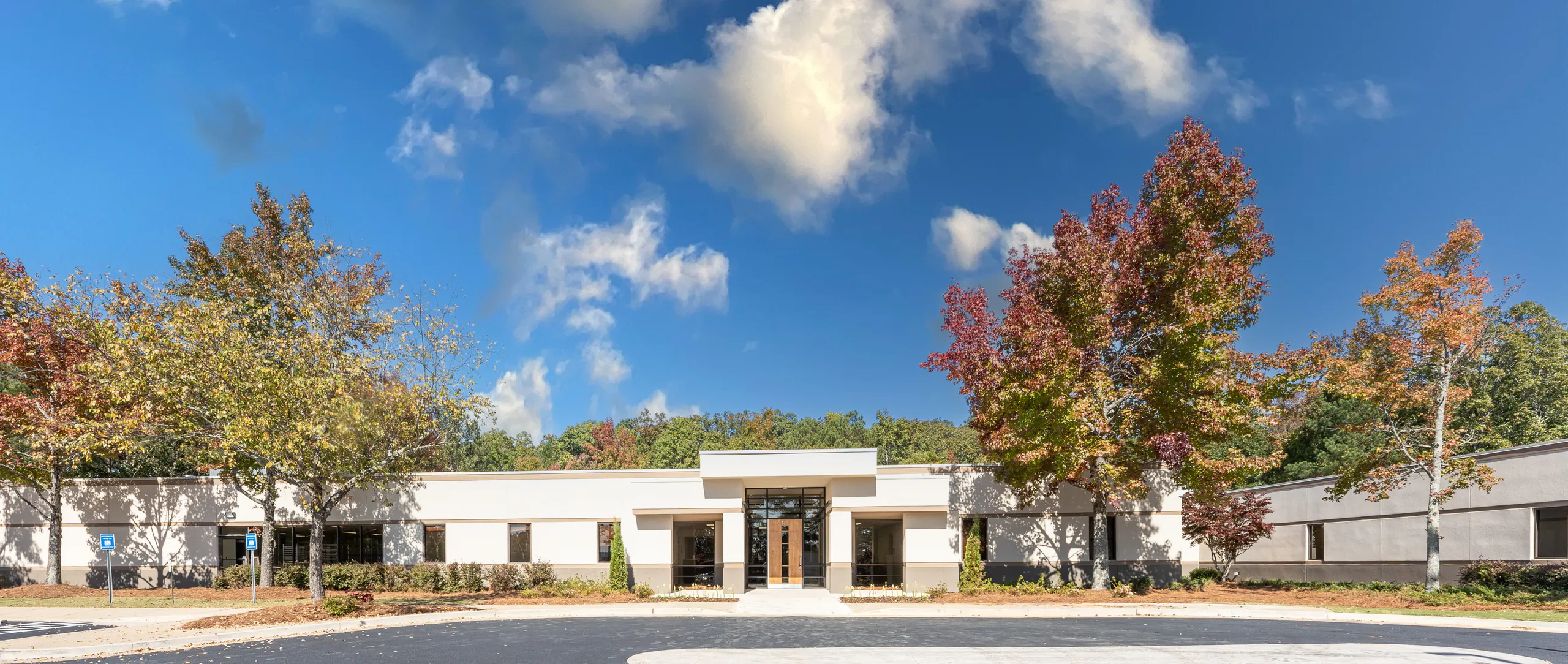
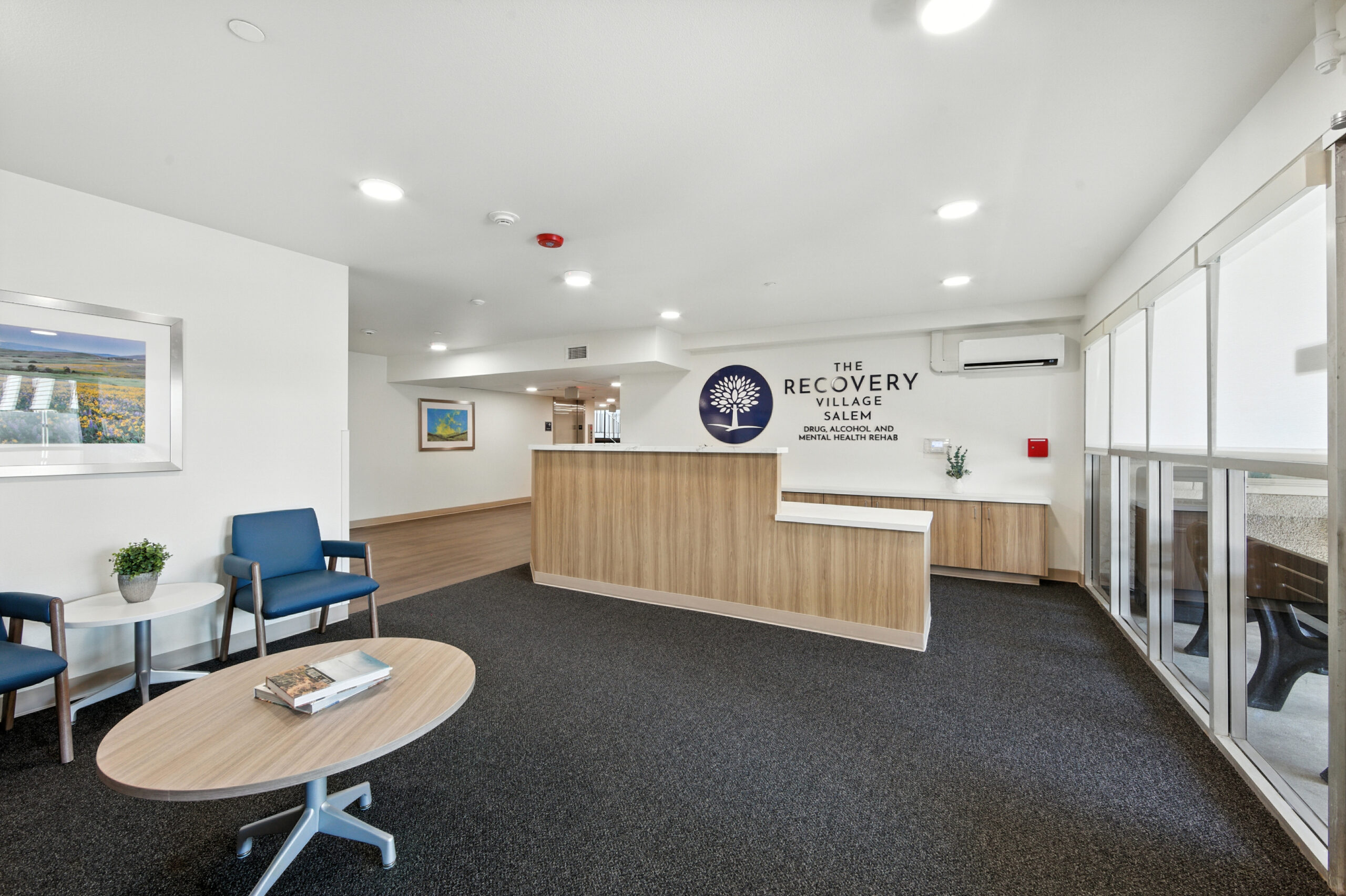
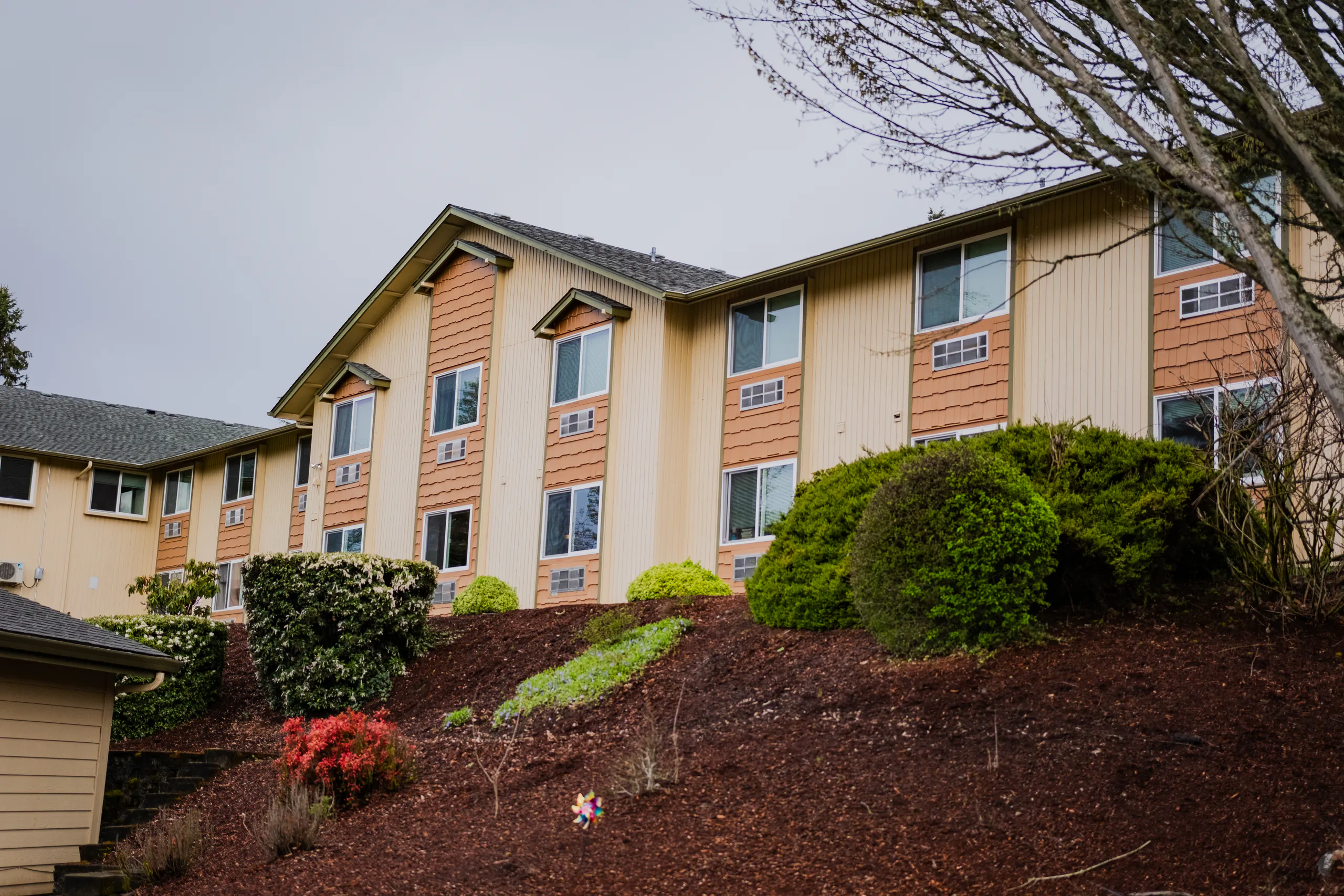
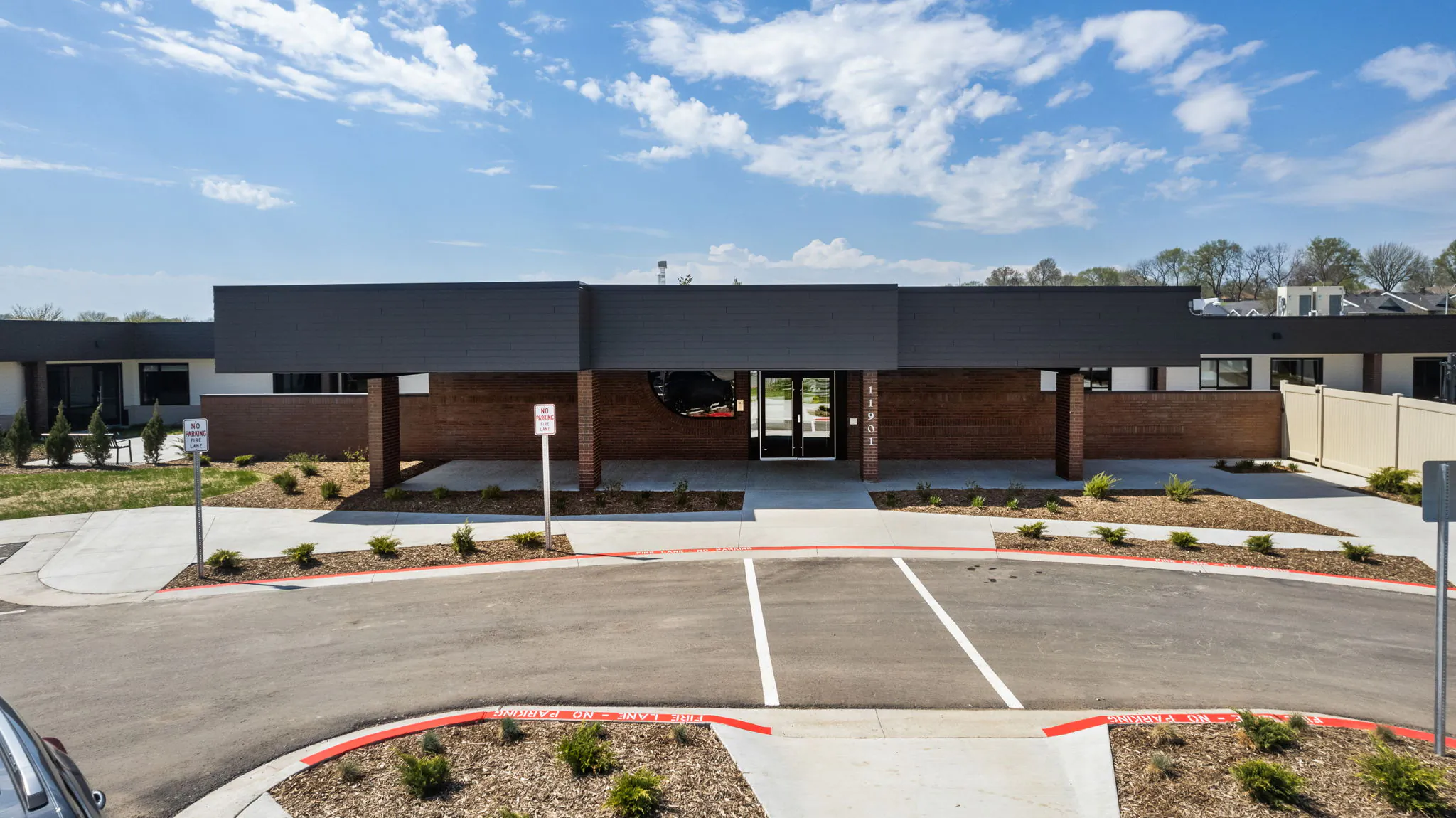
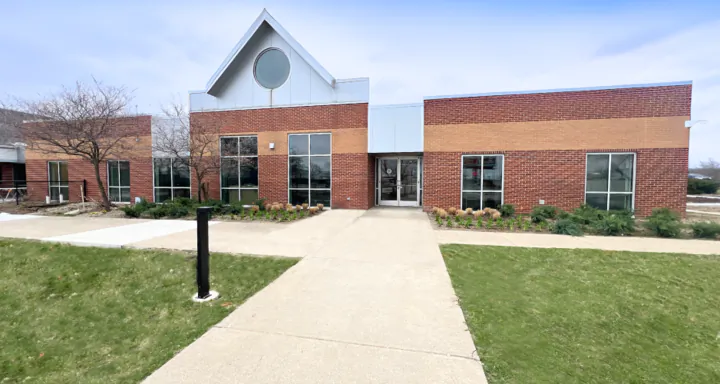
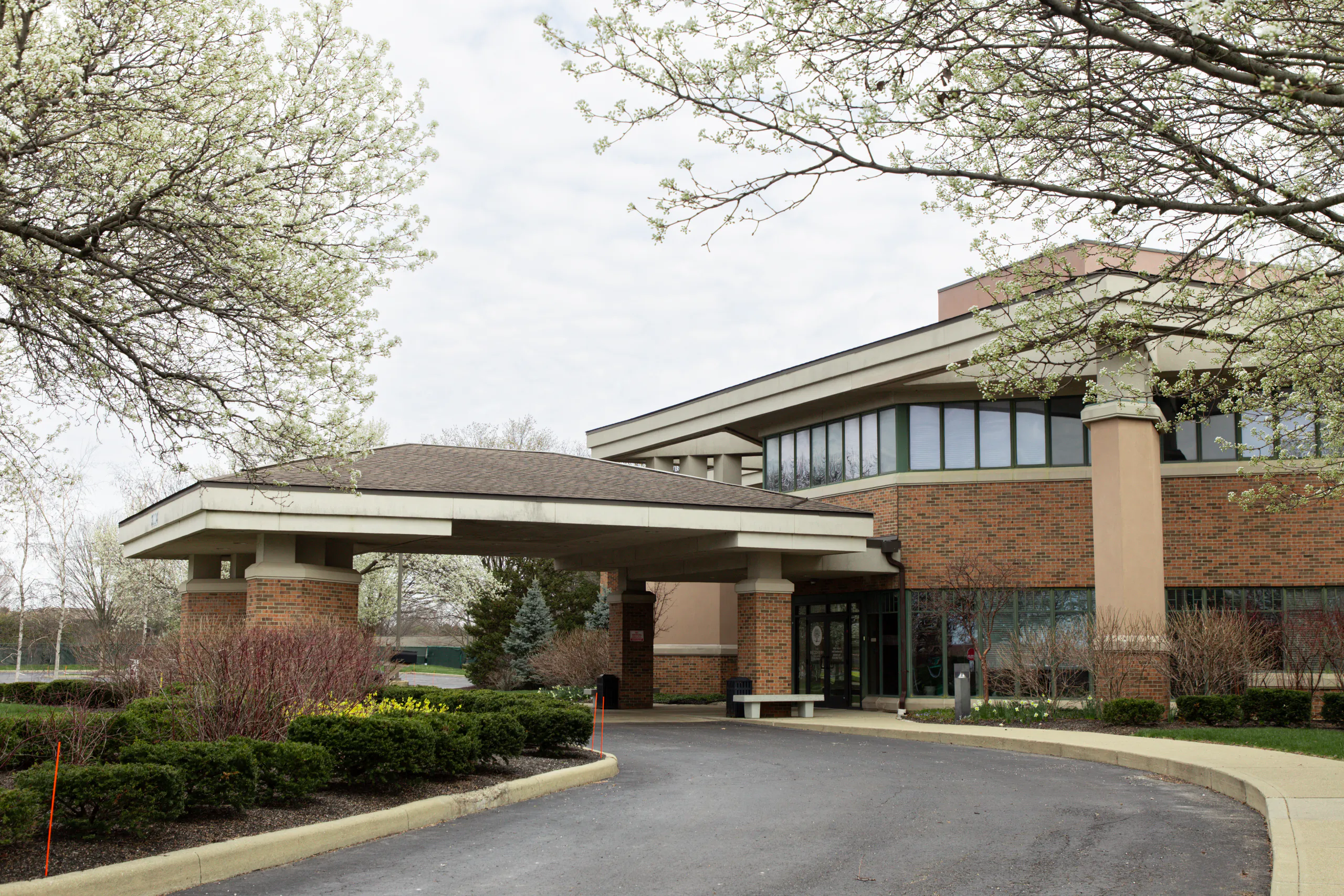
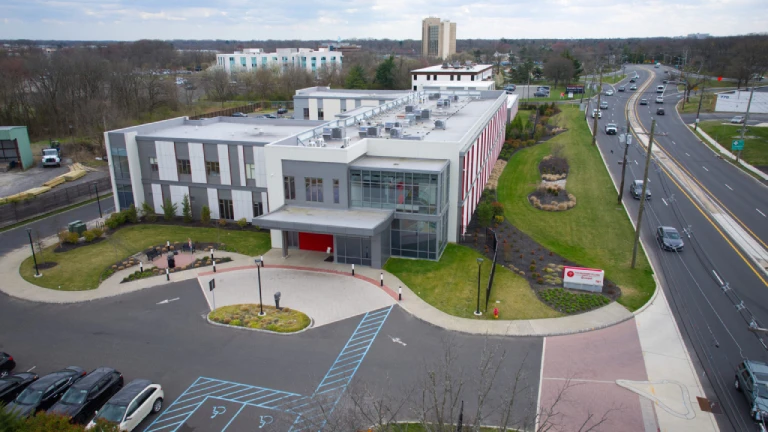
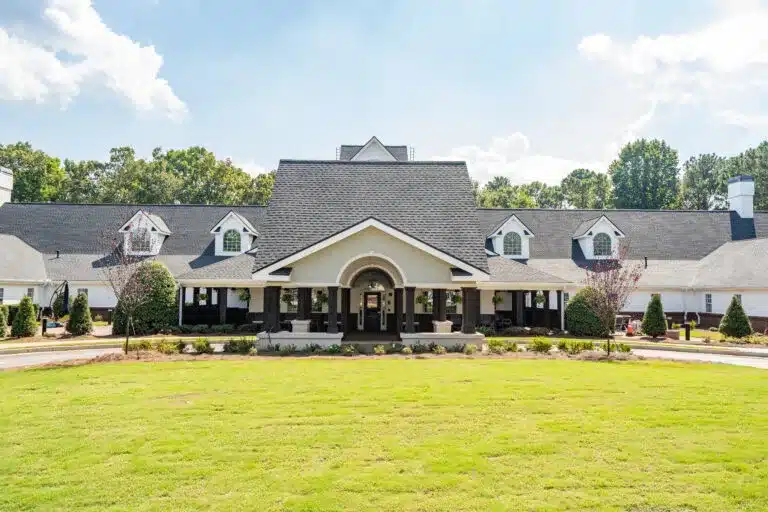
Our centers provide supervised detox, inpatient and residential rehab, partial hospitalization, intensive outpatient care and aftercare for crack cocaine addiction, with psychiatric care for co-occurring conditions at every location. Find a center in Georgia, Florida, Texas, Pennsylvania, Tennessee, Colorado, Washington, Oregon, Missouri, Indiana, Ohio, New Jersey, Maryland or Massachusetts, or see all locations.
Frequently Asked Questions
Is crack harder to quit than powder cocaine?
The drug is the same, but smoking produces a faster, shorter high, which tends to create tighter binge cycles and stronger cravings. Treatment is the same; people who use crack often start at a higher level of care.
Can I detox from crack at home?
The physical symptoms are usually manageable, but the depression and cravings of the crash are the main reason people relapse or, in some cases, harm themselves. Supervised stabilization is safer.
How long is crack rehab?
Inpatient stays commonly run 30 to 90 days followed by outpatient care; total engagement of at least 90 days is associated with better outcomes.
Does insurance cover crack addiction treatment?
Most plans do. Verify your coverage in minutes.