
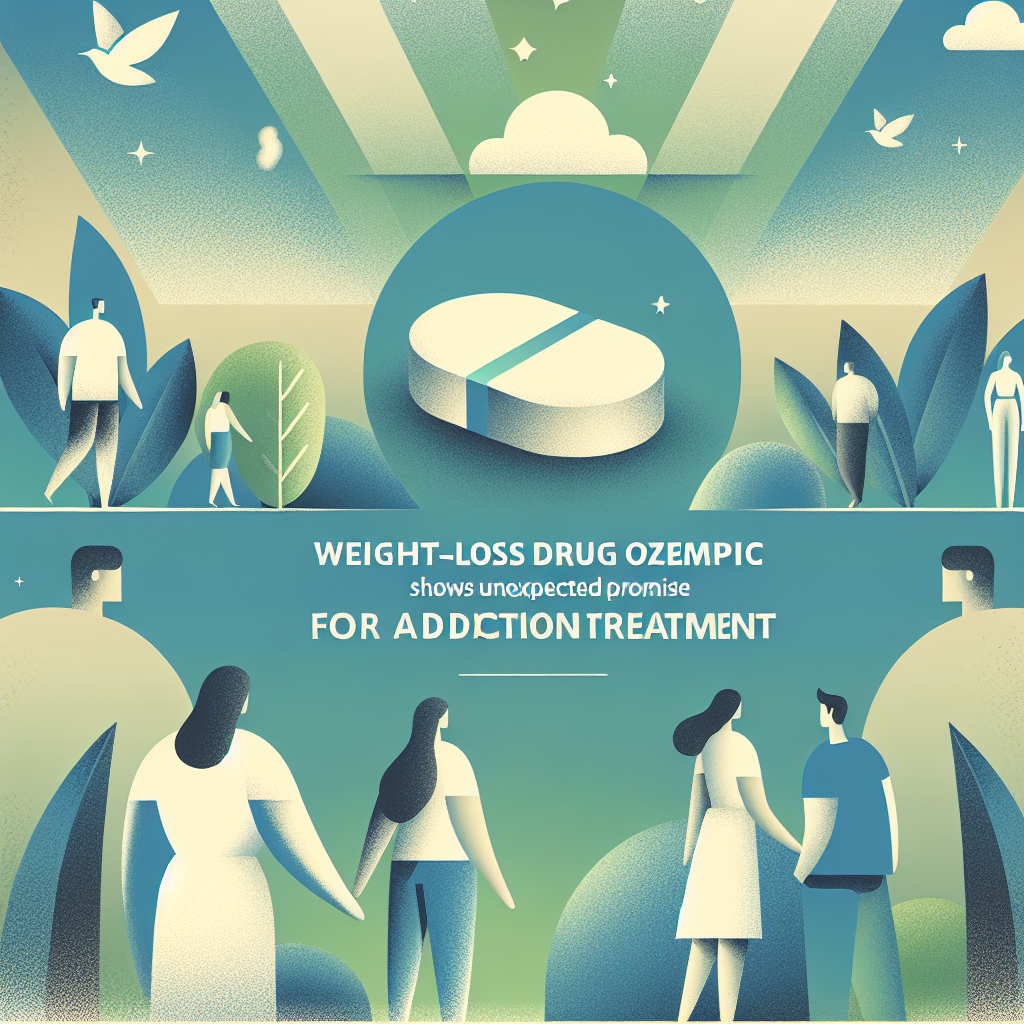

A medication best known for helping people lose weight may soon reshape addiction treatment.
New research published in the journal Addiction and reported by NPR found that people with alcohol use disorder who were prescribed semaglutide- sold under brand names Ozempic and Wegovy- had 50% lower rates of binge drinking. Among people with opioid use disorder, those taking semaglutide had 40% lower overdose rates.
The study analyzed health records from roughly 1.3 million people over eight years, making it one of the largest investigations yet into how GLP-1 medications may affect substance use.
While semaglutide is currently approved by the FDA for chronic weight management and Type 2 diabetes, scientists are increasingly exploring how it may influence the brain’s reward system — the same circuitry involved in addiction.
How a Diabetes Drug May Affect Cravings
Semaglutide is a GLP-1 receptor agonist. These medications mimic a hormone that regulates blood sugar and appetite. But GLP-1 receptors are also found in areas of the brain tied to motivation and reward.
According to the National Institute on Drug Abuse, addictive substances stimulate the brain’s dopamine system, reinforcing behaviors that drive continued use. Researchers believe GLP-1 medications may dampen that reward response, reducing cravings and compulsive behaviors.
That mechanism could help explain why patients in the new study experienced lower binge drinking and overdose rates.
For context, binge drinking — defined by the National Institute on Alcohol Abuse and Alcoholism as consuming four or more drinks for women or five or more drinks for men in about two hours — remains a major public health issue. In 2022, an estimated 29.5 million Americans ages 12 and older had alcohol use disorder.
At The Recovery Village, clinicians frequently see how powerful cravings can undermine even the most motivated recovery efforts. In our own national alcohol survey, many respondents reported significant physical and mental health consequences from heavy drinking, including depression and high blood pressure. Reducing cravings at a neurological level could potentially make recovery more sustainable when combined with therapy and structured care.
What About Opioid Use Disorder?
The opioid crisis continues to evolve. According to the Centers for Disease Control and Prevention, more than 100,000 drug overdose deaths occur annually in the U.S., with opioids involved in the majority of cases.
Current FDA-approved medications for opioid use disorder — including methadone, buprenorphine and naltrexone — are considered gold-standard treatments and are endorsed by the Substance Abuse and Mental Health Services Administration. These medications reduce withdrawal symptoms, curb cravings and lower overdose risk.
Semaglutide is not approved for addiction treatment. However, the 40% lower overdose rate observed in the new study suggests it may influence overlapping biological pathways.
Multiple clinical trials are now underway, including federally funded research registered on ClinicalTrials.gov, to determine whether GLP-1 medications can be safely and effectively used specifically for alcohol or opioid use disorders.
Key Questions: Dosing, Cost and Long-Term Outcomes
Despite the promising findings, experts caution that more research is needed.
First, optimal dosing for addiction treatment is unknown. The doses used for diabetes or weight management may not translate directly to substance use disorders.
Second, cost remains a significant barrier. Wegovy’s list price is reported at over $1,000 per month before insurance, according to manufacturer pricing information. By comparison, generic medications for opioid use disorder, such as buprenorphine, are widely available and often covered by insurance plans.
Finally, long-term outcomes are unclear. Addiction is a chronic condition that requires comprehensive care. At The Recovery Village, we emphasize that medication alone is rarely sufficient. Evidence-based therapy, medical detox when needed, and a full continuum of care remain central to long-term recovery.
In our experience treating thousands of individuals with substance use disorders, sustainable recovery often depends on addressing both the biological and psychological roots of addiction. A medication that reduces cravings could become a valuable tool — but only when integrated into a broader treatment plan that includes behavioral therapy and aftercare.
A Potential New Frontier
The idea that a weight-loss medication could help treat addiction underscores a growing scientific understanding: the brain circuits that regulate food intake and substance use may overlap more than previously thought.
If ongoing clinical trials confirm these findings, GLP-1 medications could one day expand the toolkit for treating alcohol and opioid use disorders.
For now, the message remains clear: addiction is treatable, and effective, evidence-based options are already available. New discoveries like semaglutide’s potential role offer hope — but they build upon, rather than replace, the comprehensive care models that save lives every day.
Interview an Expert
Do you need a subject matter expert to interview on this topic? Dr. Brian D. Barash, Chief Medical Officer at The Recovery Village, is available. Call us at 407-304-9824 to schedule an interview or get more information.