


The U.S. birth rate has been falling for over a decade, and the final 2024 CDC birth report confirms the trend remains entrenched. The total fertility rate (TFR) — the average number of children a woman would have over her lifetime — is about 1.6, well below the replacement level of 2.1 needed to maintain the population without immigration. While this decline is often framed in economic or demographic terms, a quieter story is unfolding: the mental health crisis among young adults, and how it’s shaping both their family decisions and their risk for substance use disorders.
Beyond Economics: Gen Z’s Unique Pressures
Finances remain the most commonly cited barrier to having children, but they’re far from the only one. Pew Research Center found that among adults under 50 who say they’re unlikely to have children, over one-quarter cite environmental concerns, including climate change, compared with just 6% of older adults. These worries are layered on top of rising housing costs, unstable job markets, and delayed milestones like marriage and homeownership.
For Gen Z, this landscape overlaps with a mental health picture that is troubling in both breadth and intensity. The CDC’s 2023 Youth Risk Behavior Survey shows persistently high rates of sadness, hopelessness, and suicidal ideation among high school students, with especially high burdens for young women and LGBTQ+ youth. In young adulthood, KFF analysis finds that anxiety and depression symptoms remain more common in the 18–26 age group than in any other, and mental health care use in this demographic has risen sharply since 2019.
Compounding this, a CDC MMWR report highlights that young adults experience higher rates of loneliness and social isolation than older cohorts — factors strongly linked to substance use risk.
The Substance Use Connection
National surveys suggest that self-reported adolescent drug and alcohol use remains at or below pre-pandemic levels (Monitoring the Future 2024). Yet, mortality data tell a different story: adolescent overdose deaths more than doubled from 2018 to 2022, largely due to fentanyl contamination in counterfeit pills. In other words, use rates are low, but potency and unpredictability have made every episode of experimentation more dangerous.
For young adults, co-occurring mental health disorders are common in substance use treatment settings. The 2023 National Survey on Drug Use and Health shows that individuals aged 18–25 report some of the highest rates of past-year substance use disorders (SUDs) and major depressive episodes, underscoring the need for integrated, dual-diagnosis care.
Owned data from The Recovery Village mirrors this reality: in our national alcohol survey, 64.9% of respondents reported using alcohol to cope with stress and 43.5% to cope with mental health symptoms. Among those attempting to quit, 44.5% said alcohol had harmed their mental health. These figures show how economic uncertainty, climate anxiety, and social disconnection can fuel maladaptive coping behaviors in emerging adulthood.
Barriers to Seeking Help
Cost, uncertainty about what treatment involves, and stigma are among the top reasons people delay getting care. For Gen Z, stigma may be amplified by the perception that mental health struggles should be “handled privately” or are a normal part of growing up. Unfortunately, delaying help can worsen outcomes for both mental health and substance use disorders.
Our admissions data also show that 61% of people seeking professional help found rehab through an internet search — a reminder that accurate, accessible online information can be a first step toward treatment.
Meeting the Moment: TRV’s Perspective
Addressing the intersection of declining birth rates, Gen Z mental health, and substance use requires more than acknowledging statistics. It demands accessible, age-appropriate, and stigma-free care.
At The Recovery Village, our continuum of care — from medical detox and inpatient rehab to intensive outpatient and aftercare — is designed to treat both substance use disorders and co-occurring mental health conditions simultaneously. This dual-diagnosis approach is critical for young adults, whose substance use often has roots in untreated anxiety, depression, or trauma.
Our clinicians emphasize teaching healthy coping strategies to replace substance use, building peer support networks to combat isolation, and helping clients reimagine their futures — whether that includes parenthood or not. For many Gen Z clients, recovery is not just about stopping substance use; it’s about gaining the stability and resilience needed to pursue life goals in an uncertain world.
The Takeaway
The falling U.S. birth rate is a visible metric of shifting life paths, but it’s also a symptom of deeper undercurrents: economic precarity, climate fears, and a generation-wide struggle with mental health. These same forces can push young people toward risky coping behaviors, including substance misuse.
By investing in integrated, compassionate treatment and addressing the social factors that shape both mental health and family planning decisions, we can help Gen Z navigate a healthier path forward — one that leaves room for their choices, whatever they may be.
If you or someone you love is struggling with substance use or mental health challenges, The Recovery Village offers evidence-based care tailored to your needs. Recovery is possible — and it can start today.
About The Recovery Village
The Recovery Village is a trusted, physician-led behavioral healthcare company dedicated to providing evidence-based, expert care for addiction and mental health conditions. We work with healthcare providers, organizations, and individuals to connect those in need of life-saving addiction treatment and mental health support that repairs lives, families and surrounding communities.
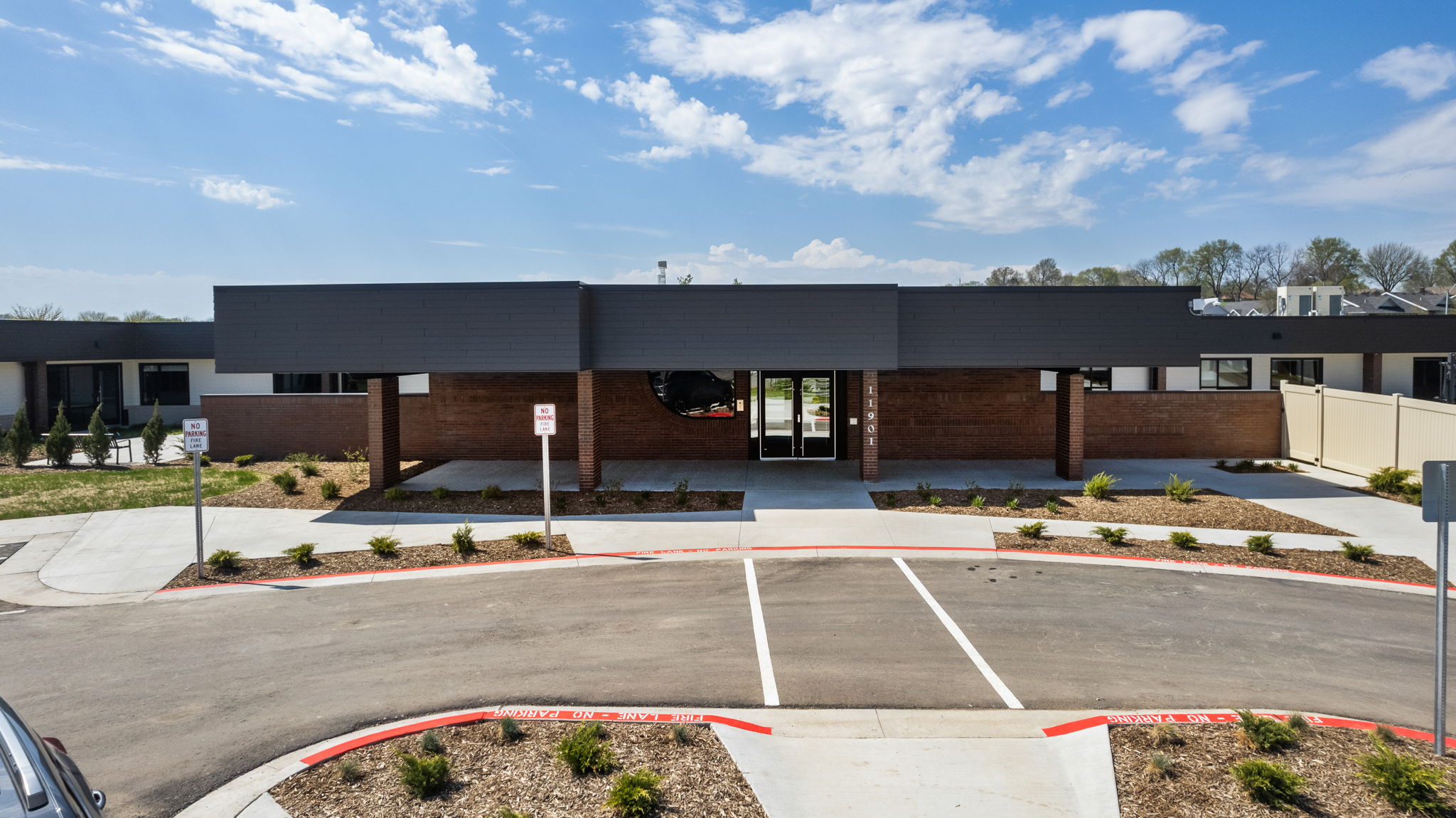
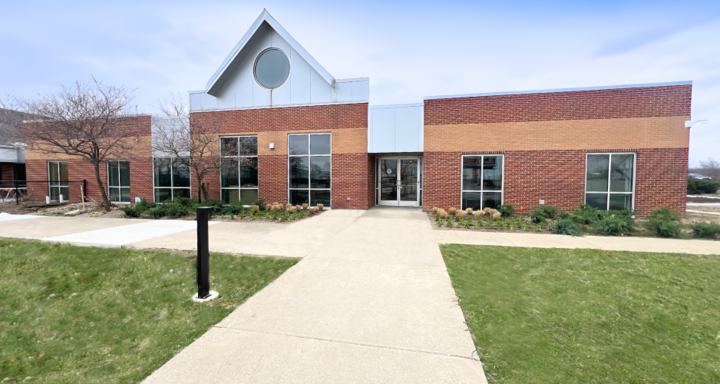
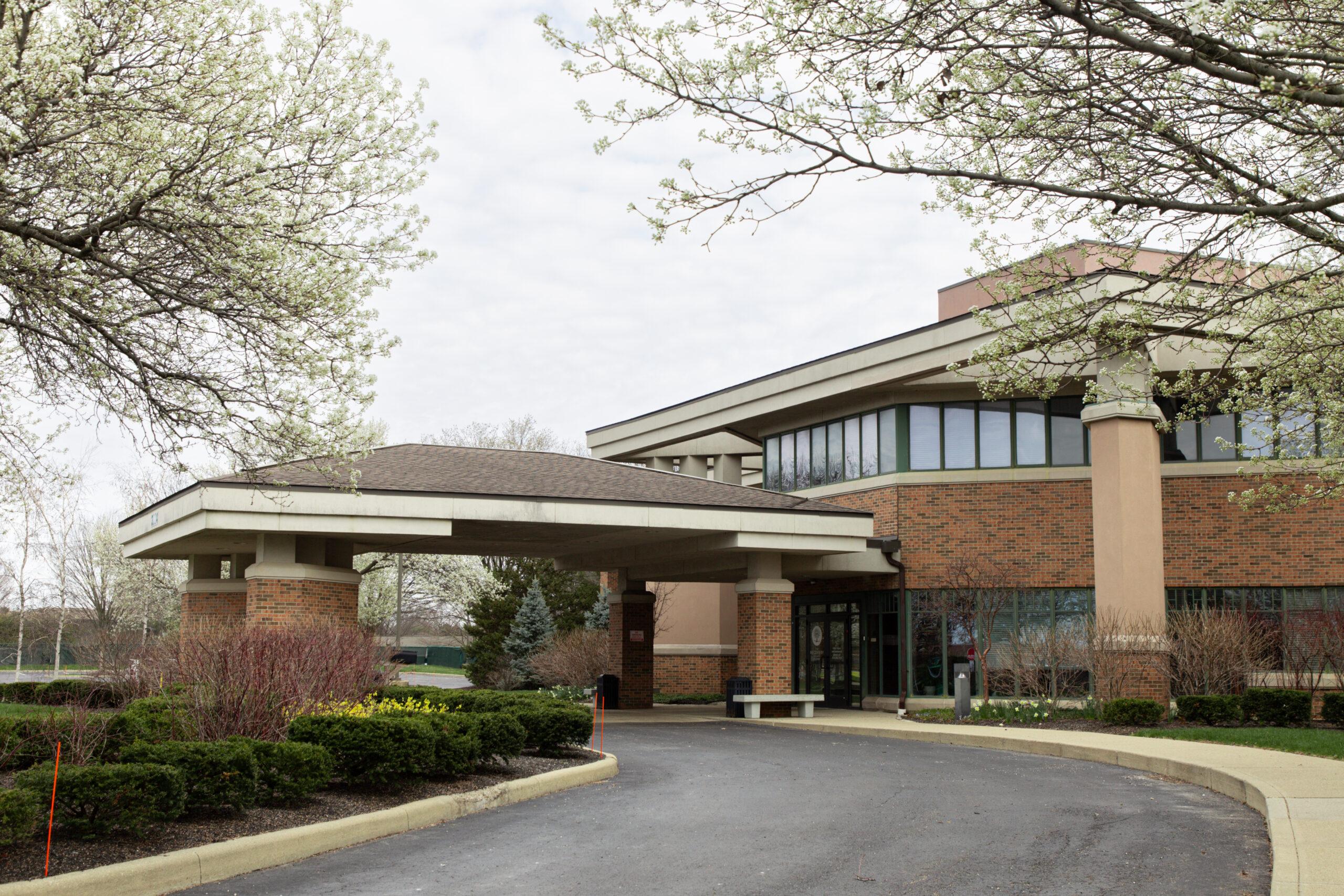
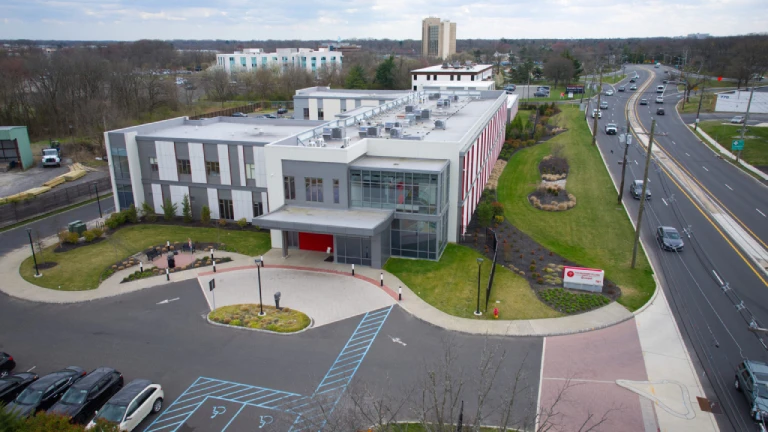
The Recovery Village network of treatment centers includes The Recovery Village Umatilla (Umatilla, Florida), The Recovery Village at Palmer Lake (Palmer Lake, Colorado), The Recovery Village Ridgefield (Ridgefield, Washington), The Recovery Village Columbus (Groveport, Ohio), The Recovery Village Cherry Hill at Cooper (Cherry Hill, New Jersey), The Recovery Village Palm Beach at Baptist Health (Lake Worth, Florida), Orlando Recovery Center (Orlando, Florida), The Recovery Village Atlanta (Atlanta, GA), The Recovery Village South Atlanta (Stockbridge, GA), The Recovery Village Kansas City (Raytown, MO), and The IAFF Center of Excellence for Behavioral Health Treatment and Recovery (Upper Marlboro, Maryland). The Recovery Village also manages outpatient locations in Maitland, Florida, and Denver, Colorado, that provide ongoing addiction and mental health support and counseling services.
For more information, visit www.therecoveryvillage.com.