

The Rise of AI “Therapists”
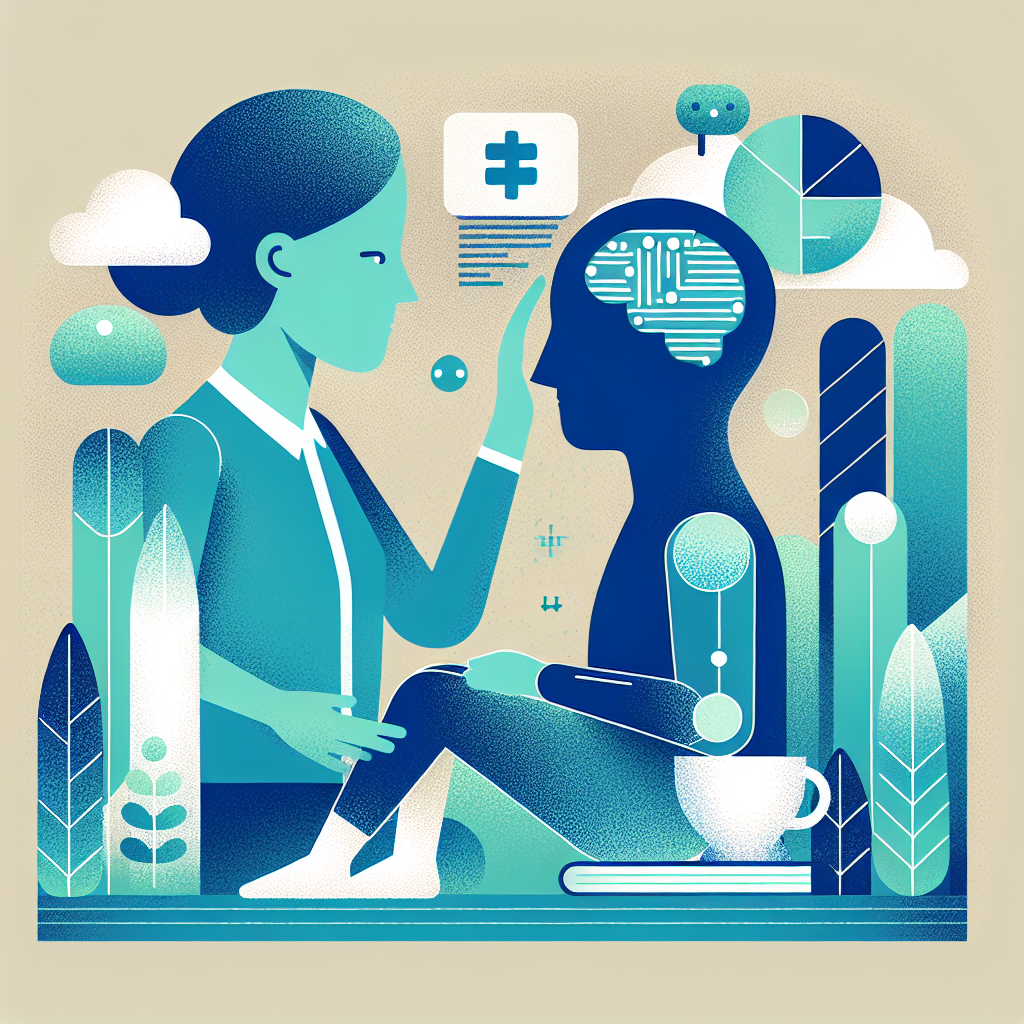
Artificial intelligence is quickly becoming the new face of emotional support. In 2025, millions of people are turning to AI chatbots such as Replika, Woebot, and ChatGPT-style tools for what feels like therapy. They’re available 24/7, they don’t judge, and they don’t charge a fee. But as this digital therapy revolution grows, experts are sounding alarms about its hidden risks — and the very real consequences of replacing licensed therapy with algorithms.
According to a recent Washington Post report, users are increasingly relying on AI chatbots to manage anxiety, loneliness, and depression. Many describe their AI companion as empathetic or comforting, but mental health professionals warn that AI can only simulate care, not provide it. “People are seeking connection and care, but they’re talking to a mirror with no real understanding of human suffering,” one clinician told the Post.
The Promise — and the Peril — of AI Mental Health Tools
AI chatbots are designed to mimic therapeutic conversation, often using cognitive-behavioral therapy (CBT)-style prompts or positive affirmations. For individuals struggling with access barriers — long waitlists, high costs, or a lack of nearby clinicians — these tools may appear to fill an urgent gap.
However, research paints a more complicated picture. A 2025 study in the Journal of Medical Internet Research found that users with moderate to severe depression or trauma histories experienced worsening symptoms when relying solely on AI-based mental health apps. Another analysis published in Nature Medicine in 2024 warned that large language model (LLM) chatbots “show promise for screening and triage but lack clinical safety mechanisms for unsupervised mental health use.”
Without a human professional’s judgment, AI can offer advice that sounds compassionate but misses the deeper context of trauma, addiction, or co-occurring disorders. And unlike licensed therapists, chatbots carry no accountability or ethical obligation if they deliver harmful guidance.
The Access Gap Driving the AI Therapy Trend
While mental health awareness has improved in recent years, access to care remains uneven. The National Institute of Mental Health (NIMH) reports that **59.3 million U.S. adults** — nearly one in four — experienced a mental illness in 2022. Yet, according to the Substance Abuse and Mental Health Services Administration (SAMHSA), only **53.9%** of those adults received any mental health treatment that year.
Cost, stigma, and time constraints all contribute to this gap. The Recovery Village’s own national survey found that financial barriers, uncertainty about treatment, and lack of time were the top three reasons people delayed getting help. These same challenges are what drive many individuals toward AI alternatives — tools that promise instant support but come with no clinical oversight.
What Evidence-Based Care Provides That AI Cannot
Licensed mental health treatment isn’t just about conversation; it’s about clinical expertise, ethical responsibility, and the ability to recognize complex symptoms. Human therapists can detect suicidal ideation, diagnose co-occurring disorders, and modify treatment in real time — tasks no algorithm can safely perform.
At The Recovery Village, all treatment is evidence-based and trauma-informed, meaning it integrates proven therapeutic methods with compassion and clinical structure. “AI may assist awareness, but it cannot replace the empathy, accountability, and professional discernment essential to recovery,” says Dr. Kevin Wandler, Chief Medical Officer for The Recovery Village.
That’s why The Recovery Village has invested heavily in teletherapy and virtual care options that preserve the human connection of therapy while making treatment more accessible. These services allow individuals to receive professional care remotely, often at a lower cost, ensuring that affordability doesn’t mean sacrificing quality or safety.
Balancing Innovation and Responsibility
Artificial intelligence has the potential to complement mental health care — not replace it. When used under professional guidance, AI-driven tools may help with symptom tracking, appointment reminders, or mindfulness exercises. But when used as a standalone substitute for therapy, they can deepen isolation and delay real treatment.
Experts from the American Psychological Association urge caution, stating that AI mental health programs should be viewed as supportive resources, not treatment. Until regulatory standards exist to ensure safety, consumers must remain aware that even the most “empathetic” chatbot lacks human understanding, accountability, and compassion.
The Recovery Village’s Perspective: Human-Centered Healing in a Digital World
The Recovery Village’s nationwide network of physician-led programs combines the accessibility of technology with the irreplaceable value of human care. From inpatient and outpatient services to telehealth therapy, TRV provides personalized treatment that addresses both **mental health and substance use disorders** simultaneously — something no AI platform can replicate.
Teletherapy through The Recovery Village allows people to connect with licensed therapists from home, but always within a professional, evidence-based framework. This model bridges the accessibility gap without compromising safety or empathy. For individuals considering digital mental health tools, the message from treatment professionals is clear: AI can be an entry point, but recovery begins with human connection.
Key Takeaway
The digital therapy revolution reflects a society hungry for mental health support — but it also highlights a critical truth: healing requires humanity. While AI may offer conversation, only licensed professionals can offer care. Evidence-based therapy remains the gold standard for safety, compassion, and long-term recovery.
Interview an Expert
Do you need a subject matter expert to interview on this topic? **Dr. Kevin Wandler, Chief Medical Adviser at The Recovery Village**, is available. Call **407-304-9824** to schedule an interview or get more information.